
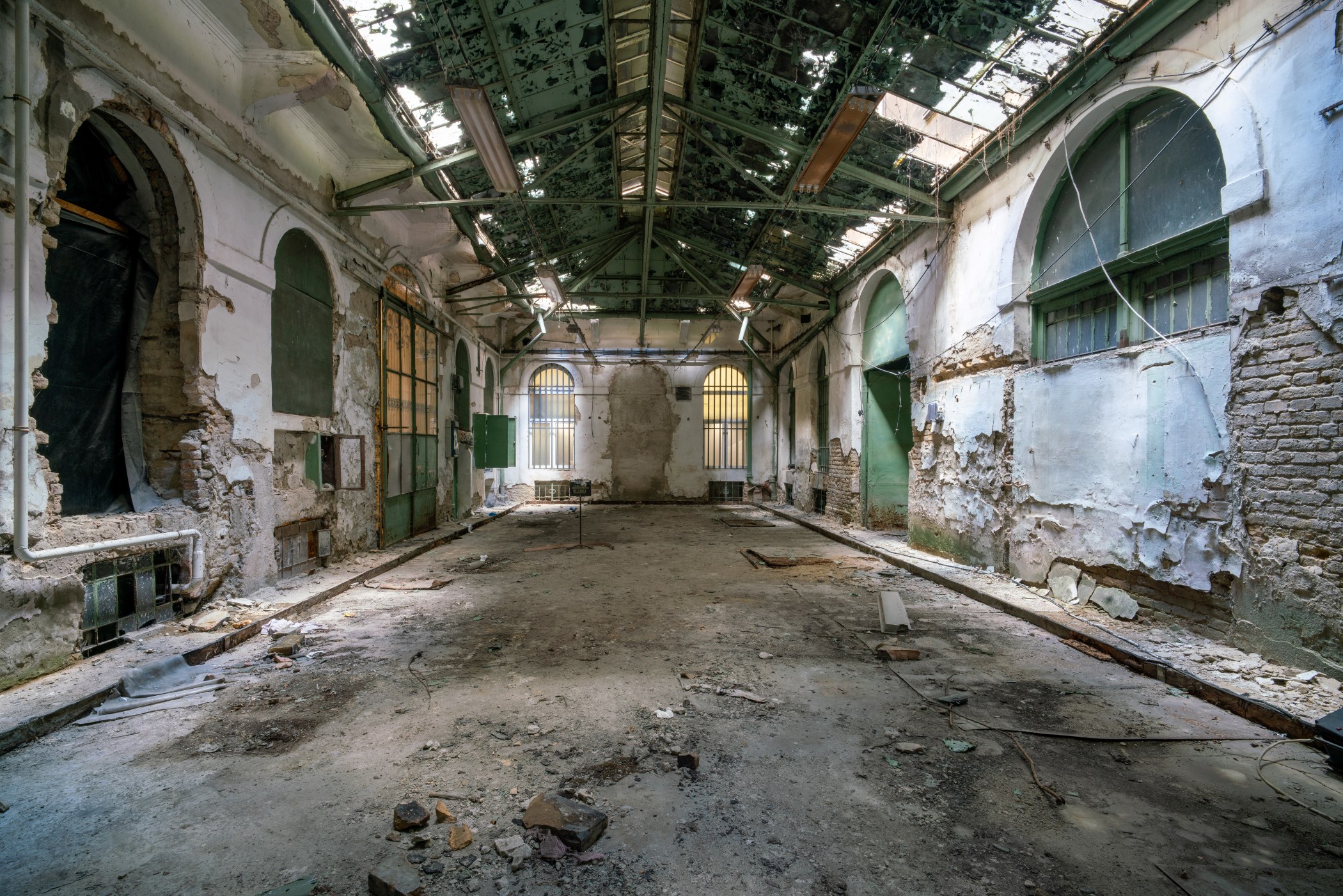
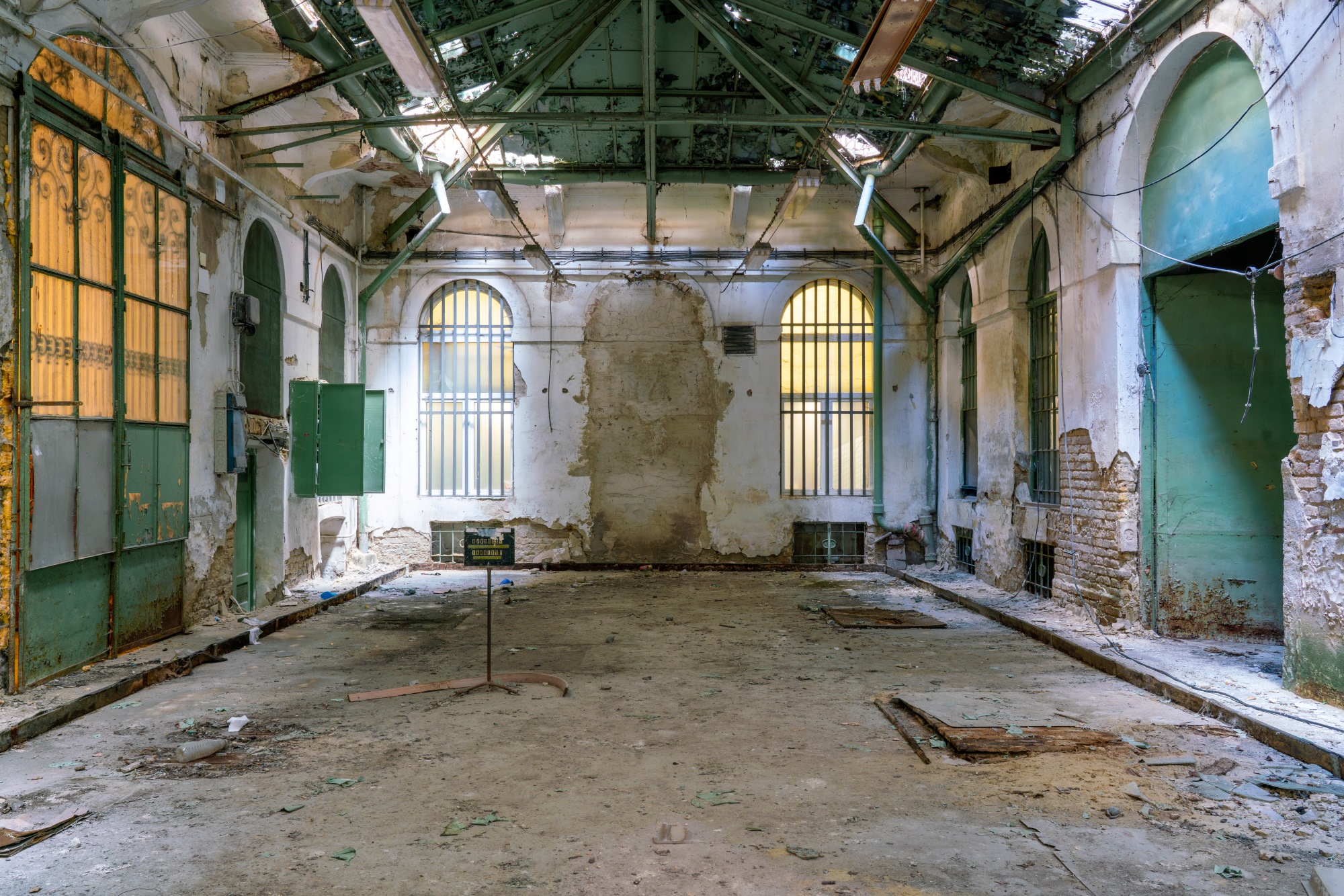
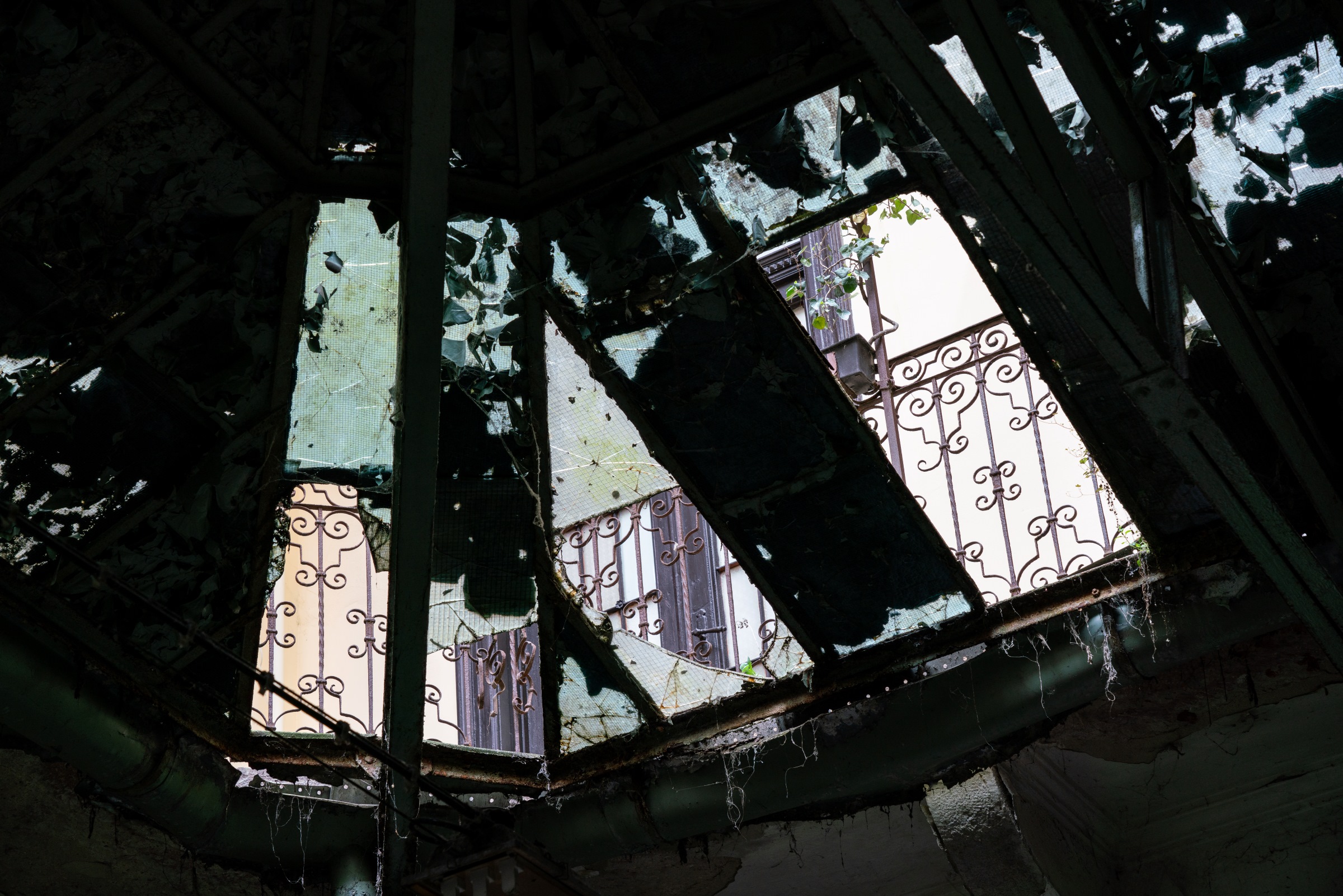
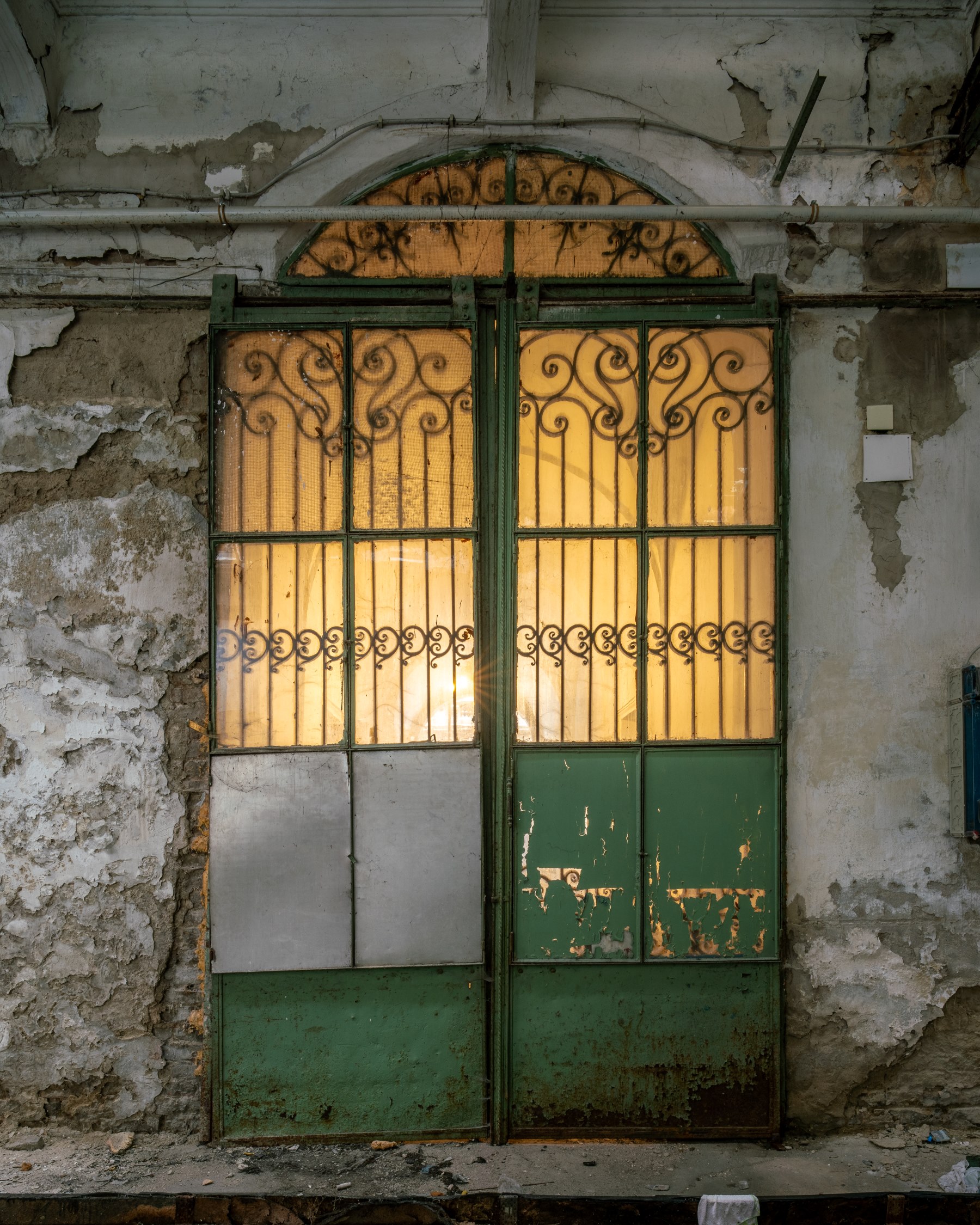
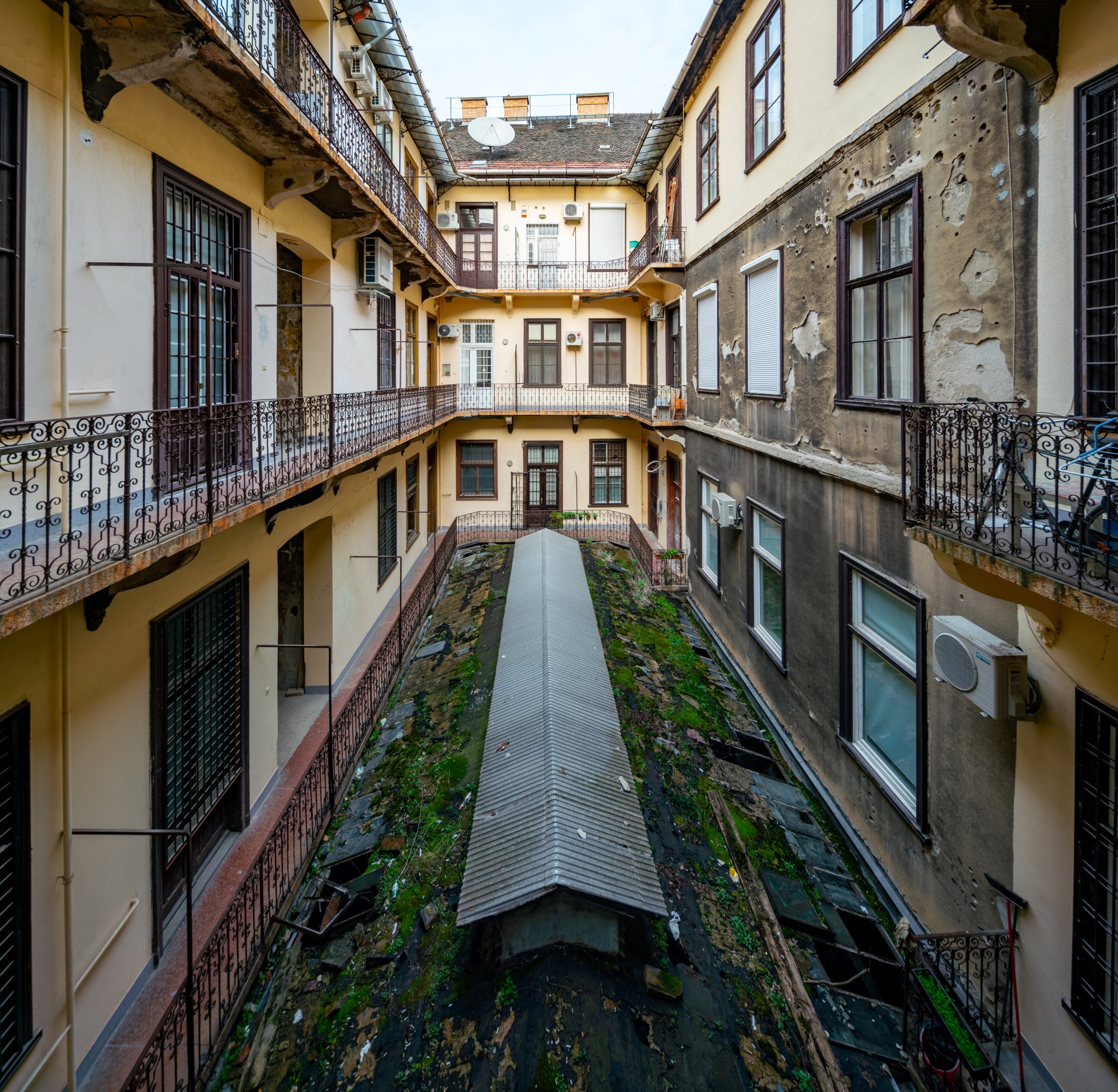
At the corner of Paulay Ede utca and Székely Mihály utca (the exact address is Paulay Ede utca 25-27), there stands a house with an inscription on its facade: “Üveg-Udvar,” which translates to “Glass Courtyard” in English. This name dates back to the building’s origins in 1890 when it was completed. The name reflects its original purpose: Adolf Schwarz, the building’s first owner, was a prominent glass manufacturer. The ground floor and courtyard of the building were dedicated to his glass manufacturing workshops, while a storefront showcased and sold his company’s products. The three upper floors were rented out or sold as apartments.
The inscription “Üveg-Udvar” appears in old photographs from the late 19th and early 20th centuries and is often mentioned in newspapers, indicating that the name was already well-established soon after the building’s completion. On January 18, 1891, a newspaper named Fővárosi Lapok wrote about this building (Paulay Ede utca was called Szerecsen utca at that time): “(…) the city has gained a new architectural landmark: a glass palace. This intriguing sight rises on Szerecsen Street, and the three-story decorative building stands as a testament to the advancements in modern glass technology. The interior glass courtyard is also entirely made of glass, built by a glass wholesale company for its business purposes.”
Adolf Schwarz had three sons, Antal, Imre, and Izidor, with whom he worked, hence the company name “Schwartz A. és Fiai” – “A. Schwartz and Sons.” They built a huge glassmaking factory in Zagyvapálfalva, now part of the city of Salgótarján. Adolf’s three sons continued the business following his passing in 1915, and they owned beautiful villas in the upper part of Erzsébetváros.
The name has since inspired the “Glassyard Galéria,” an art gallery that opened on the first floor of the building in 2017.
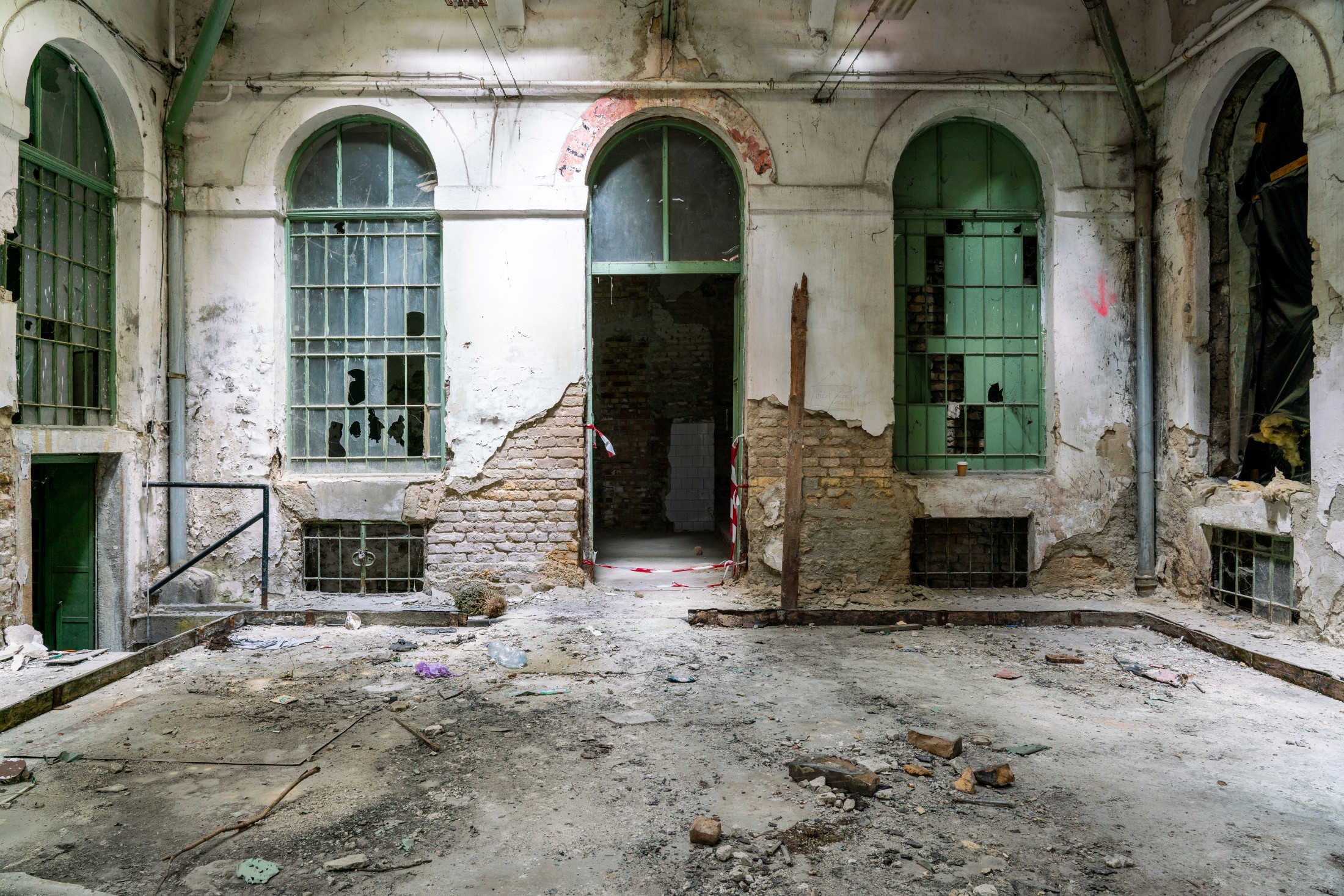
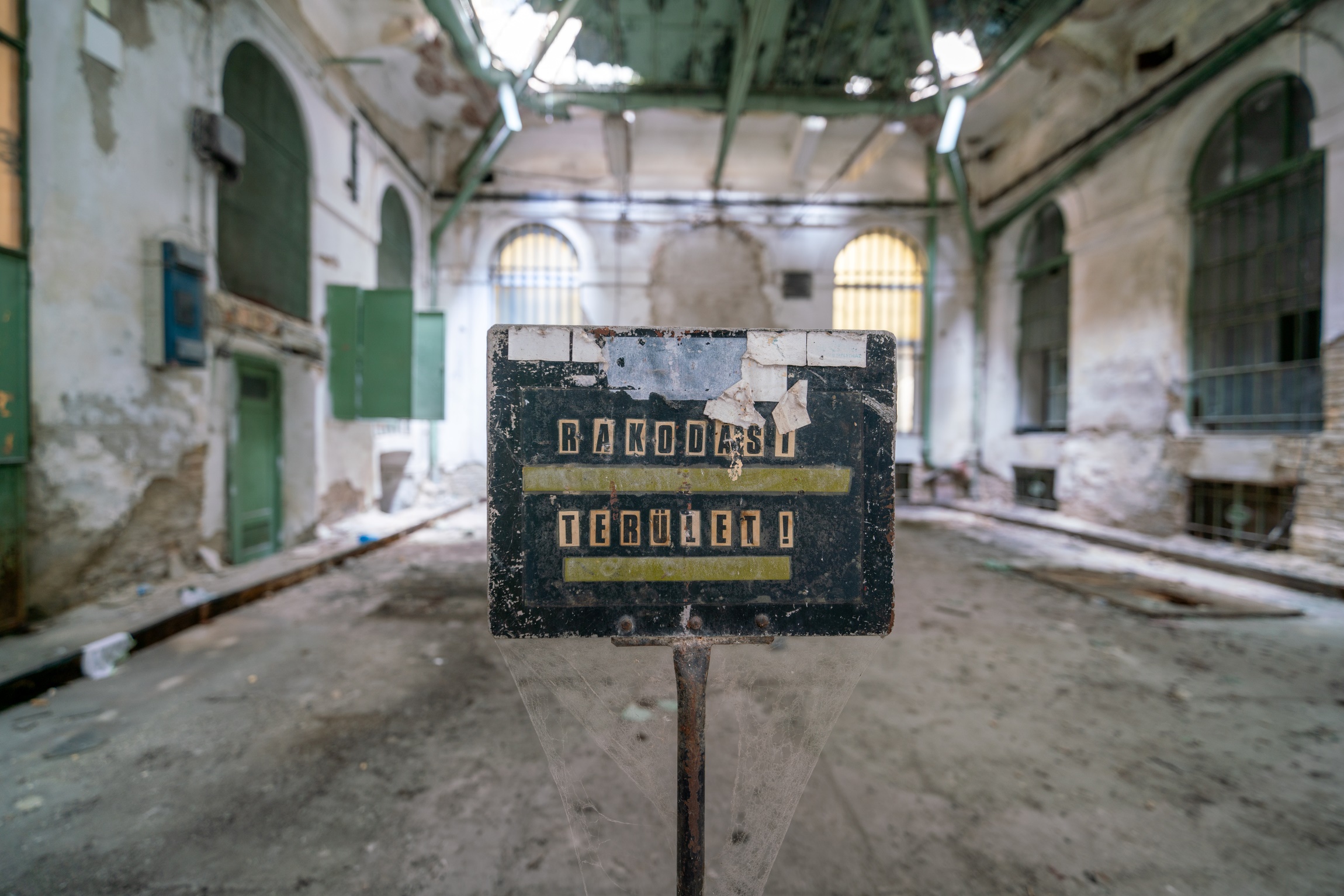
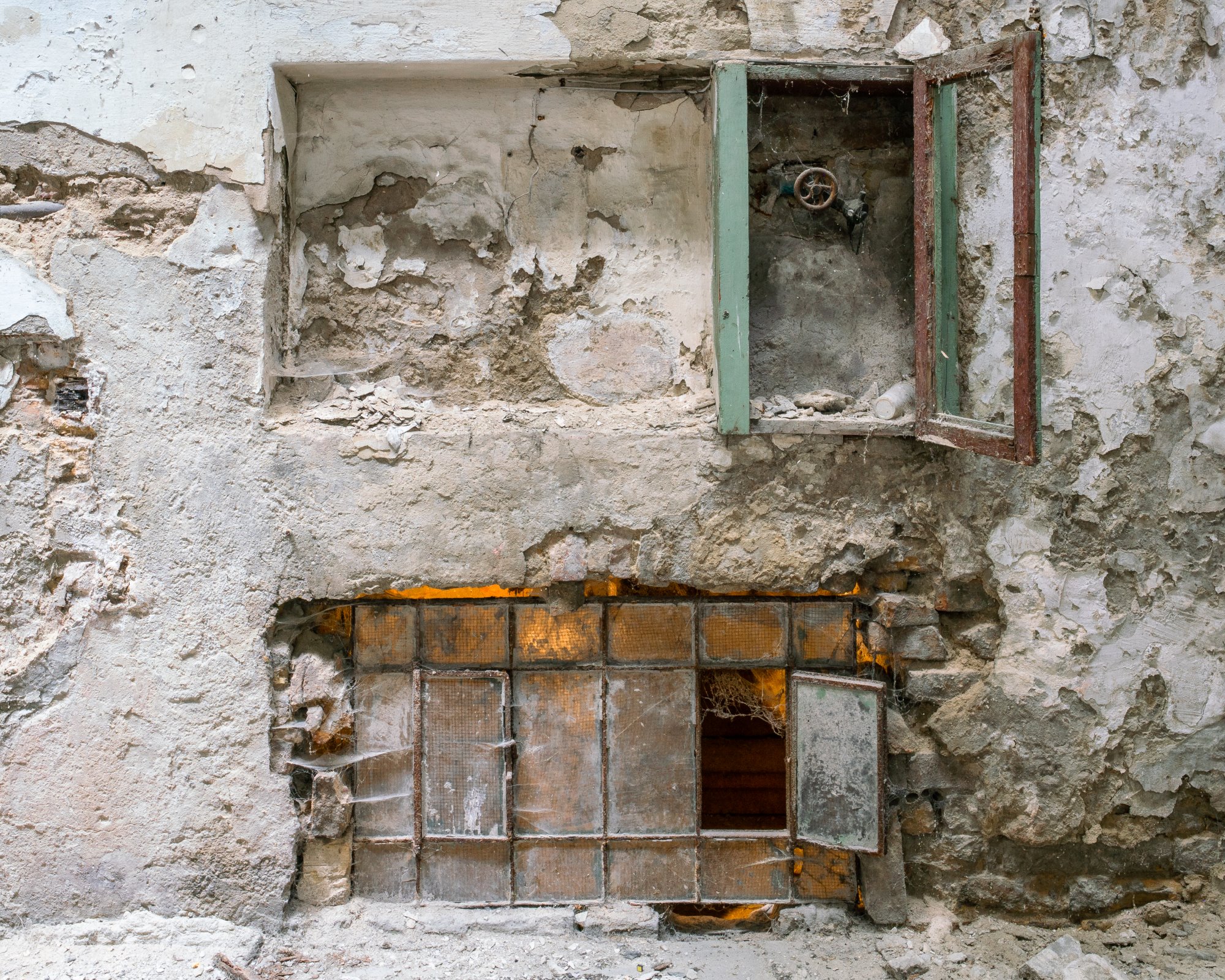
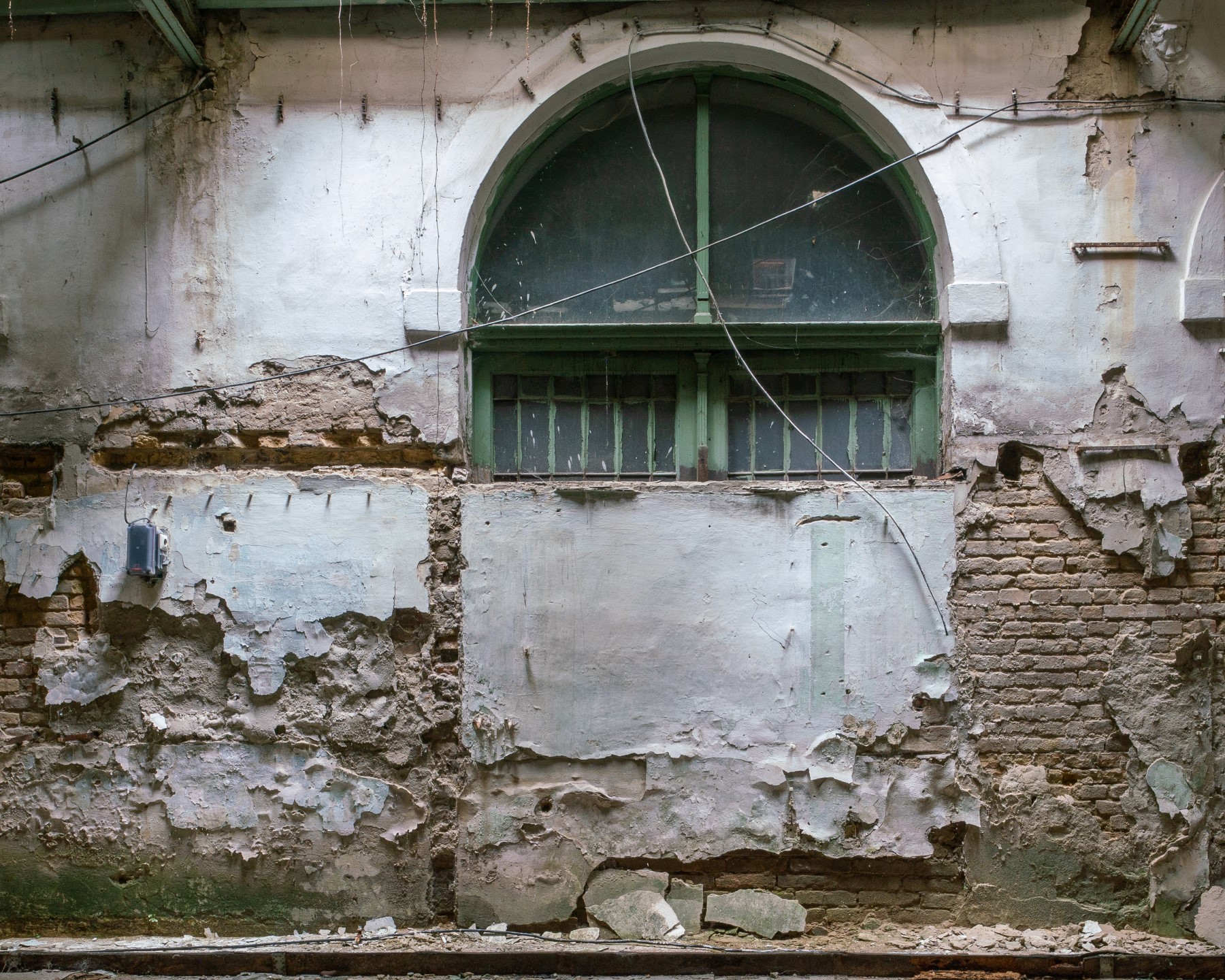
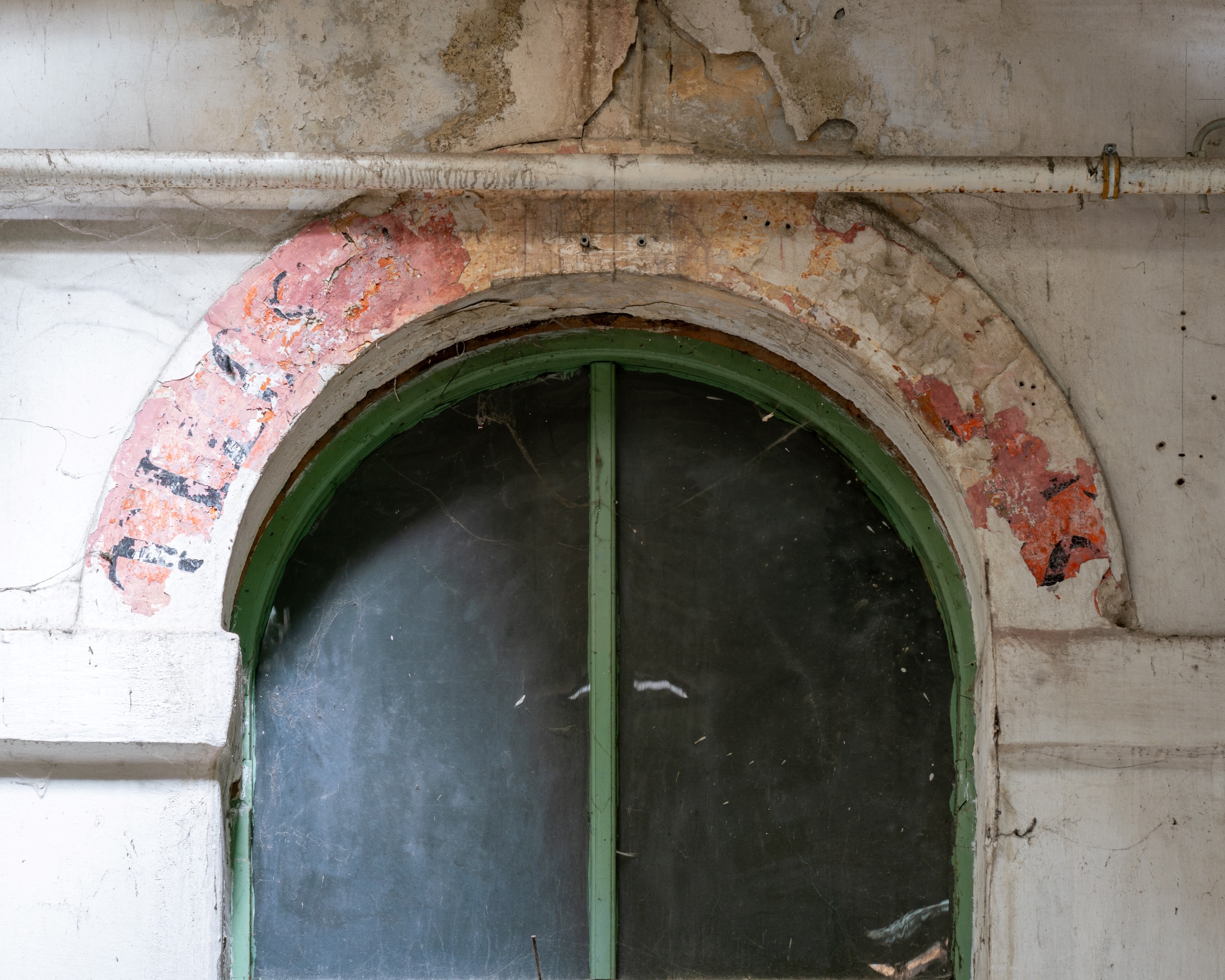
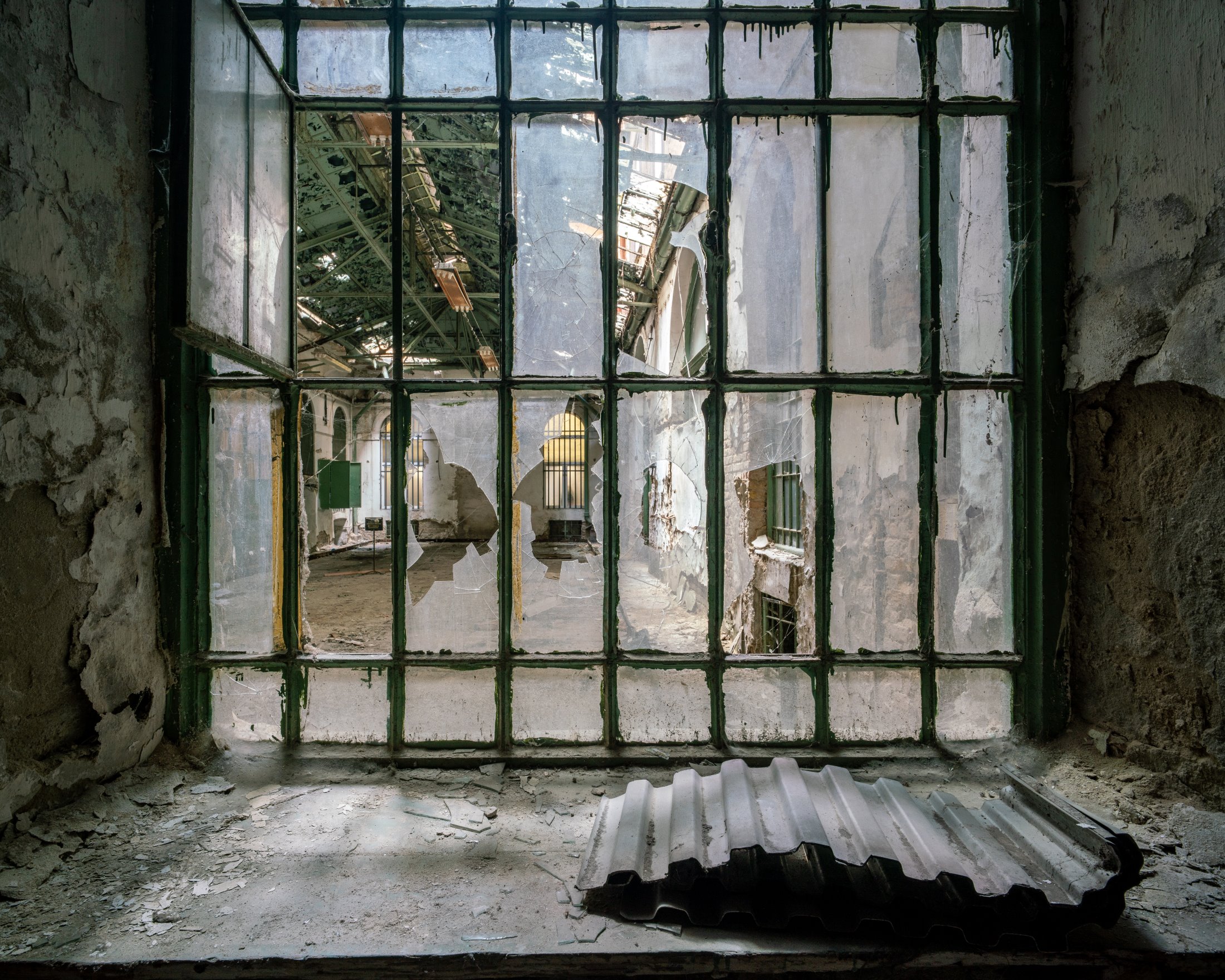
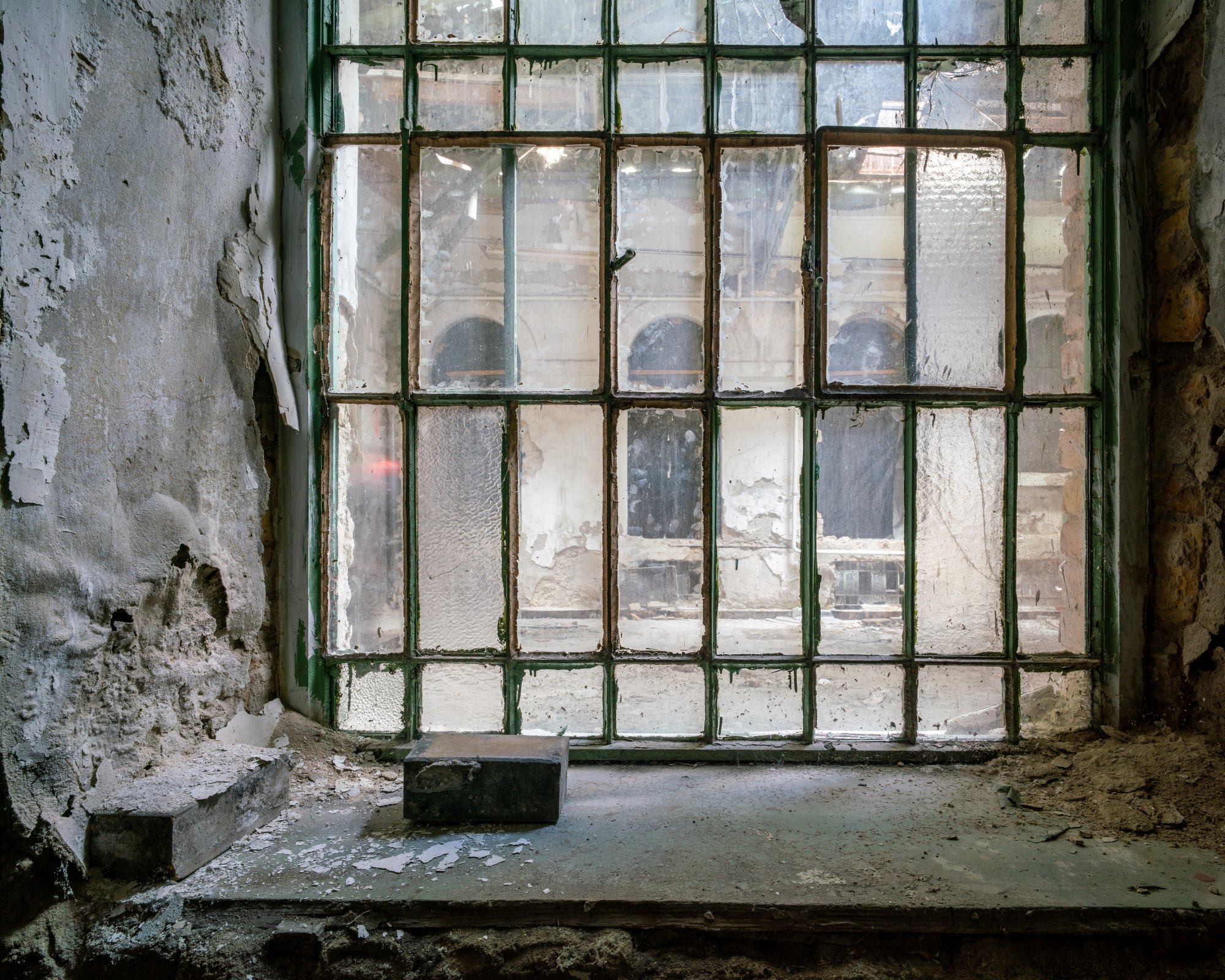
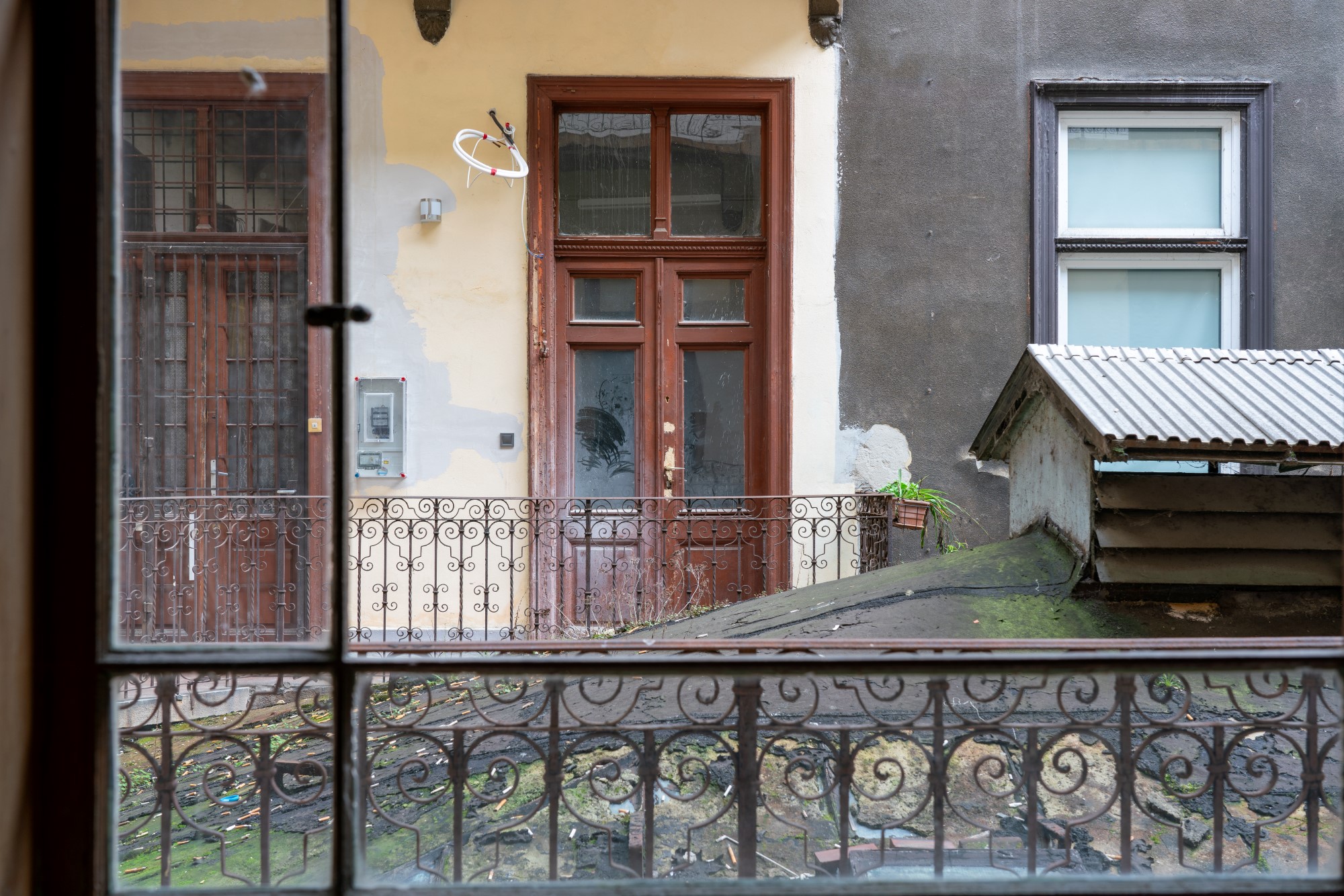
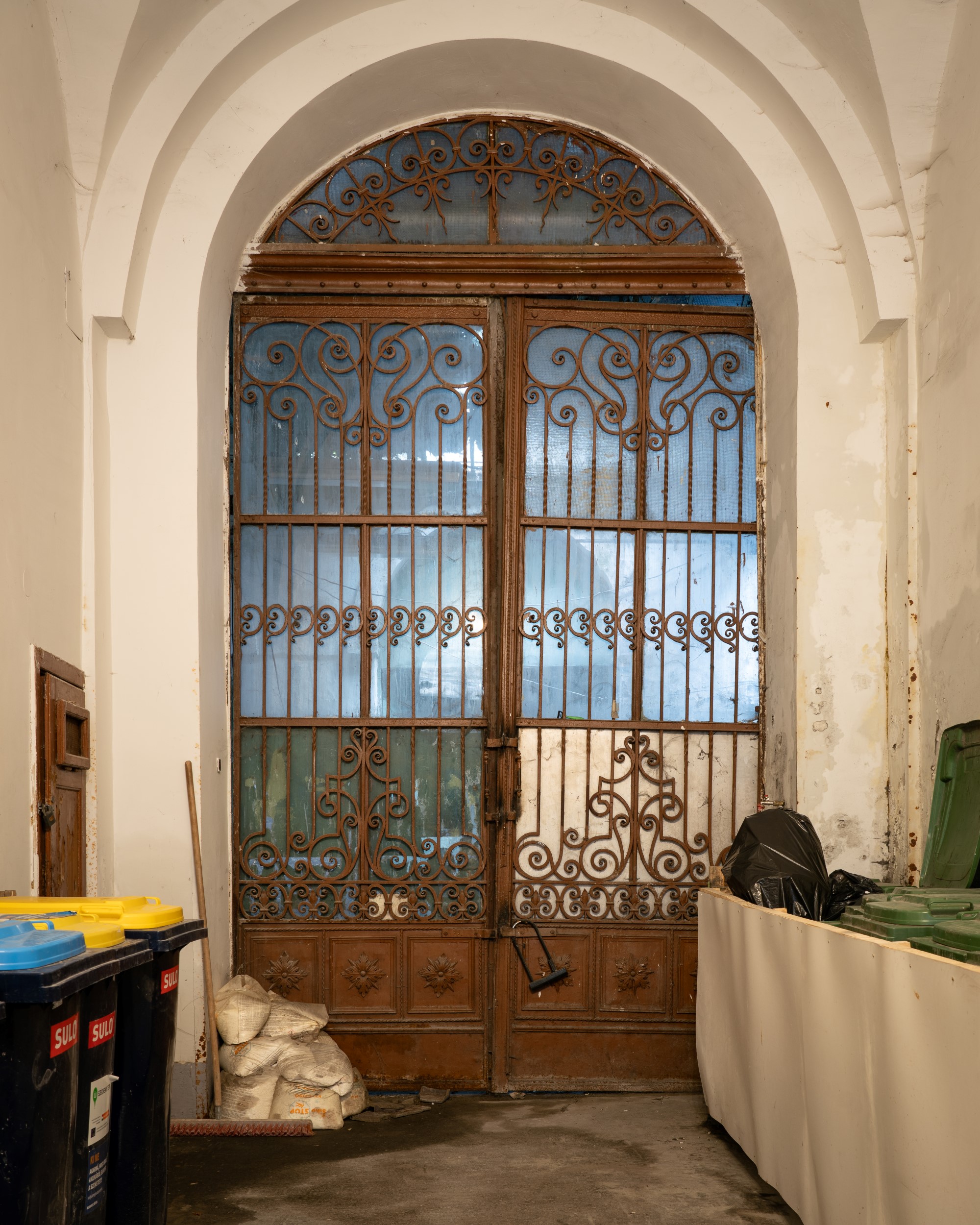
Adolf Schwarz and Sons’ glassworks operated in the courtyard until 1941, when the business was sold to Rudolf Bongrátz. Bongrátz continued glass production until the late 1940s, when the property was nationalized by the new regime. Over the decades that followed, the once-thriving courtyard fell into disrepair, becoming a haven for homeless individuals in the 1990s and 2000s. To prevent further damage, the space was closed off.
I visited the courtyard this spring. Interestingly, a few weeks later, I was contacted by one of Adolf Schwarz’s descendants living in Australia, who was seeking details about this very building!





 Buildings Tell Tales
Leave a reply to Teresa Cancel reply