
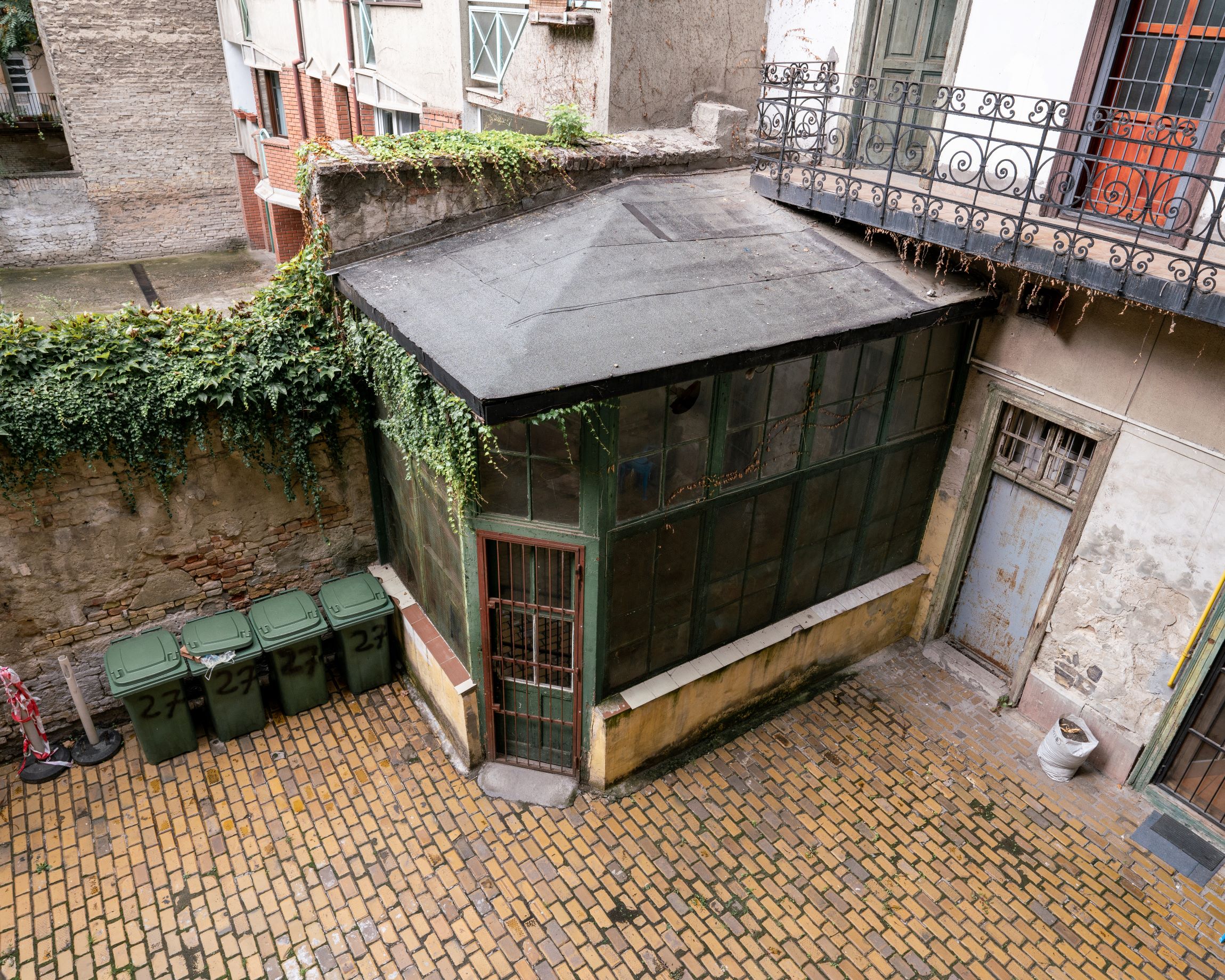
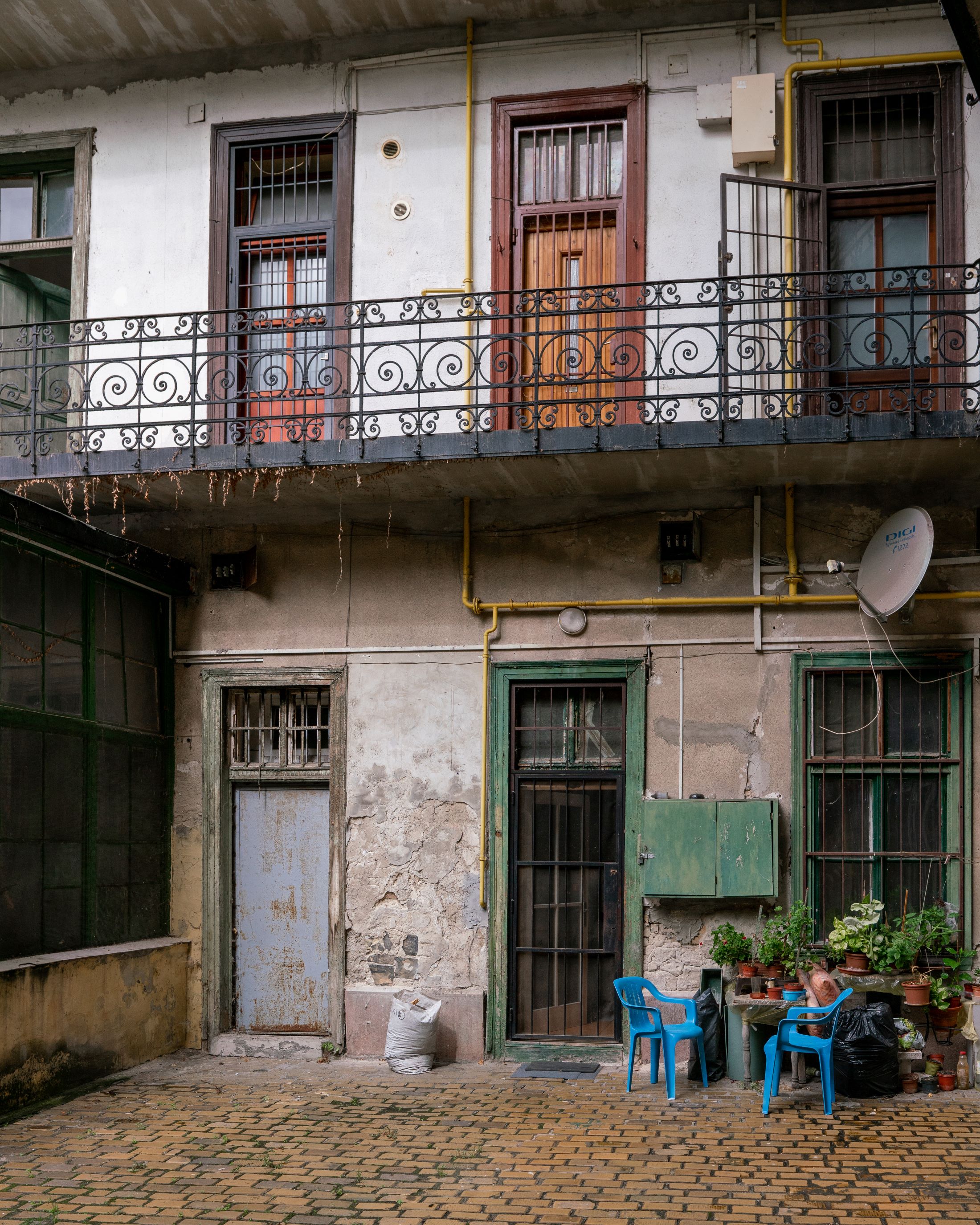
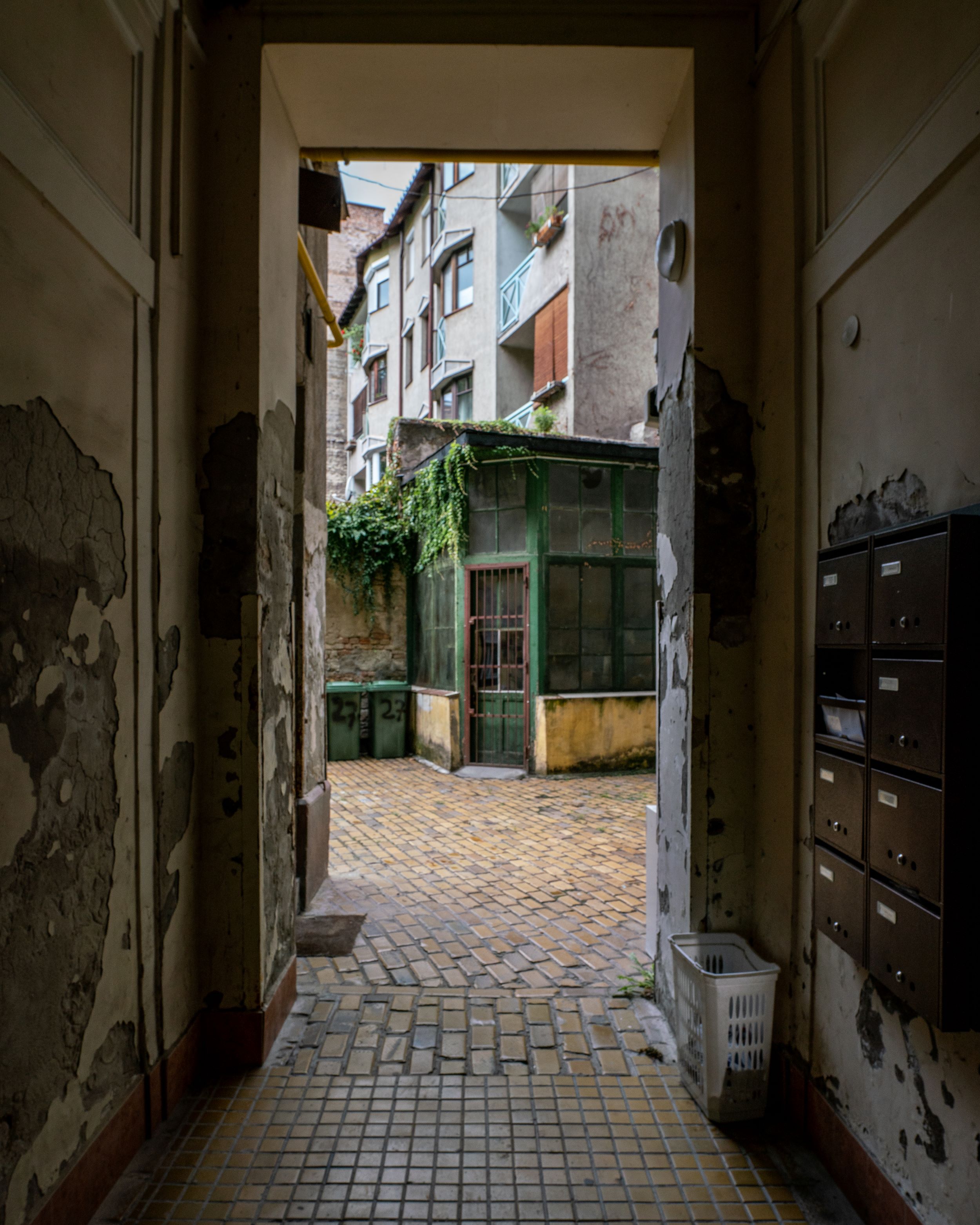
This house, situated at the intersection of Orczy út and Sárkány utca (specifically Orczy út 27), was once owned by the Grünfeld family, renowned for their success in the production and distribution of various alcoholic beverages such as pálinka, rum, and liquors. Jakab Grünfeld, the patriarch, operated a distillery and a tavern on this site. In June 1909, eight individuals tragically passed away after consuming pálinka from Jakab Grünfeld’s factory. While suspicions initially arose regarding the quality of the alcohol, subsequent investigations revealed that the fatalities occurred due to the victims’ addition of other substances to strengthen the beverage.
Jakab passed away in 1938 at the age of 74, leaving the business to his son Ernő. However, amidst the turbulent times of the early 1940s and the implementation of Anti-Jewish laws in Hungary, Ernő was compelled to sell the distillery and tavern to Ferenc Vastag at a considerably reduced price. Ernő was deportated to Auschwitz in 1944, he miraculously survived and eventually reclaimed his property through legal means. Unfortunately, Ernő’s ownership was short-lived due to the communist regime’s nationalization of private enterprises.
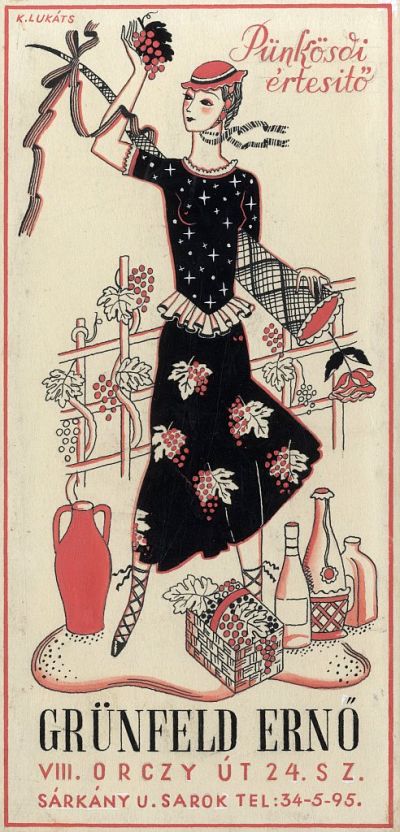
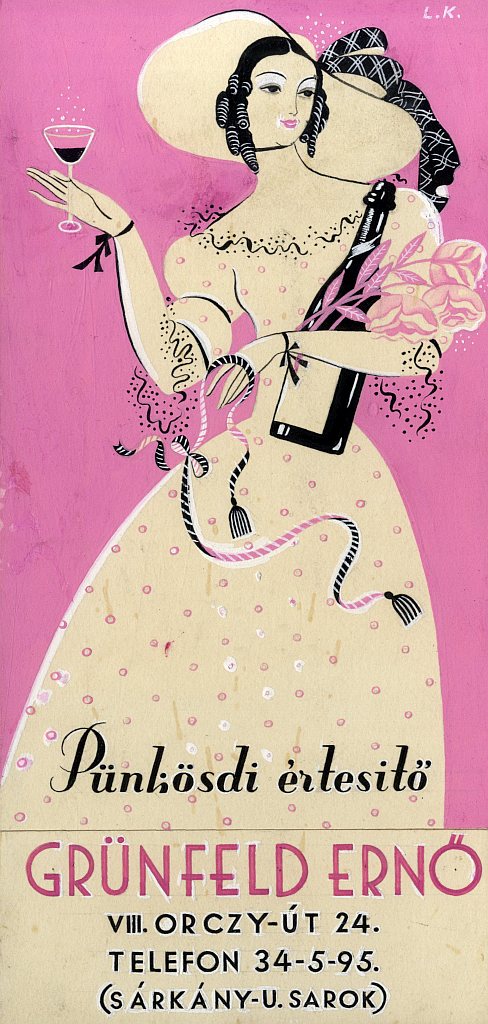

The original purpose of the courtyard structure remains a mystery. Interestingly, in 1934, Jakab Grünfeld obtained authorization for a “small construction.” Records from the Fővárosi Közlöny attribute the project to Ottó Komoly, a Hungarian Jewish engineer renowned for his heroic efforts during WWII, including the rescue of thousands of children. Tragically, Komoly disappeared in January 1945 after being apprehended by members of the Arrow Cross likely resulting in his murder. Nevertheless, his legacy endures, with a moshav in Israel established by Hungarian Jews named in his honor.


 Buildings Tell Tales
Leave a reply to Rebecca Budd Cancel reply