
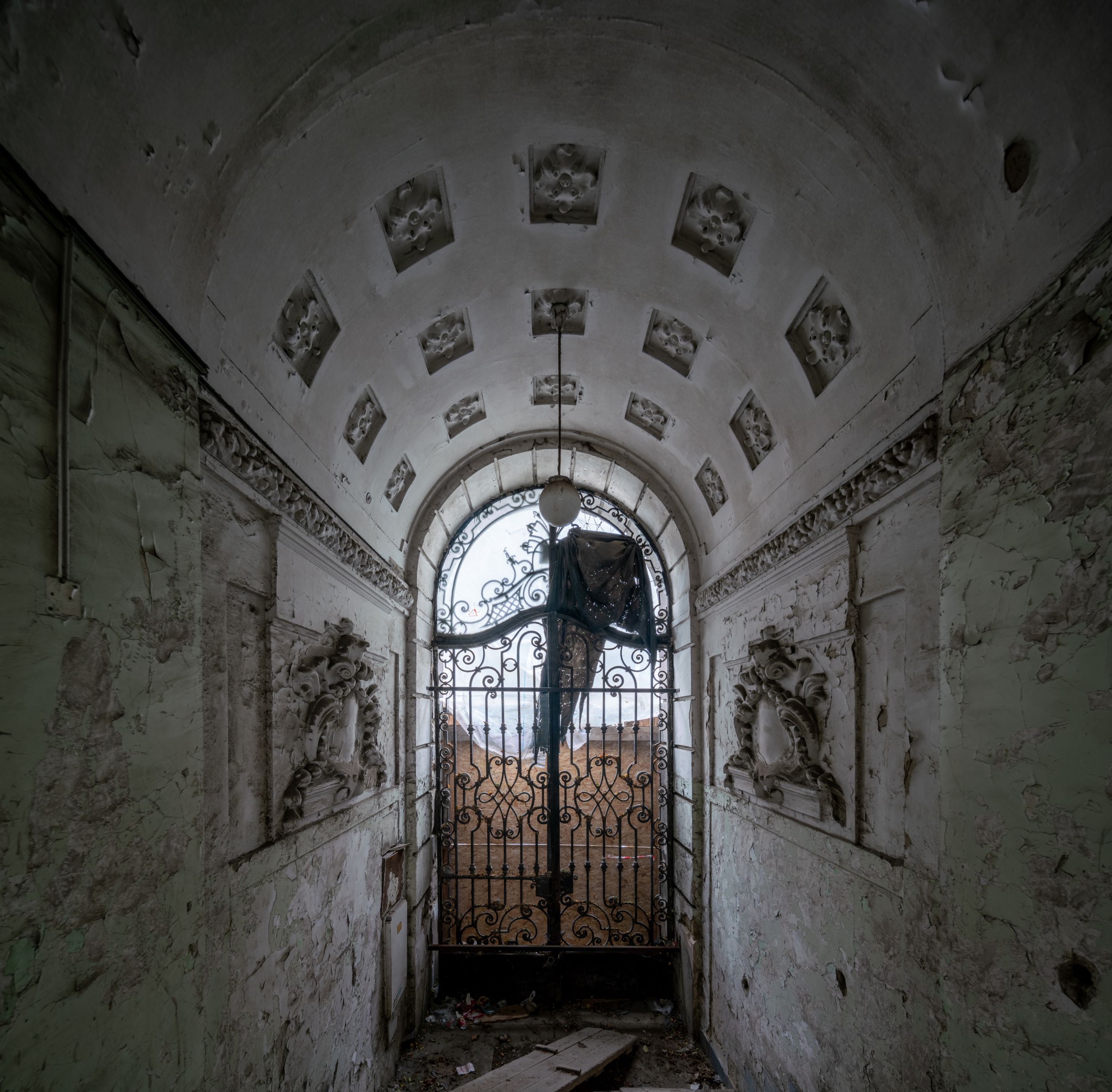
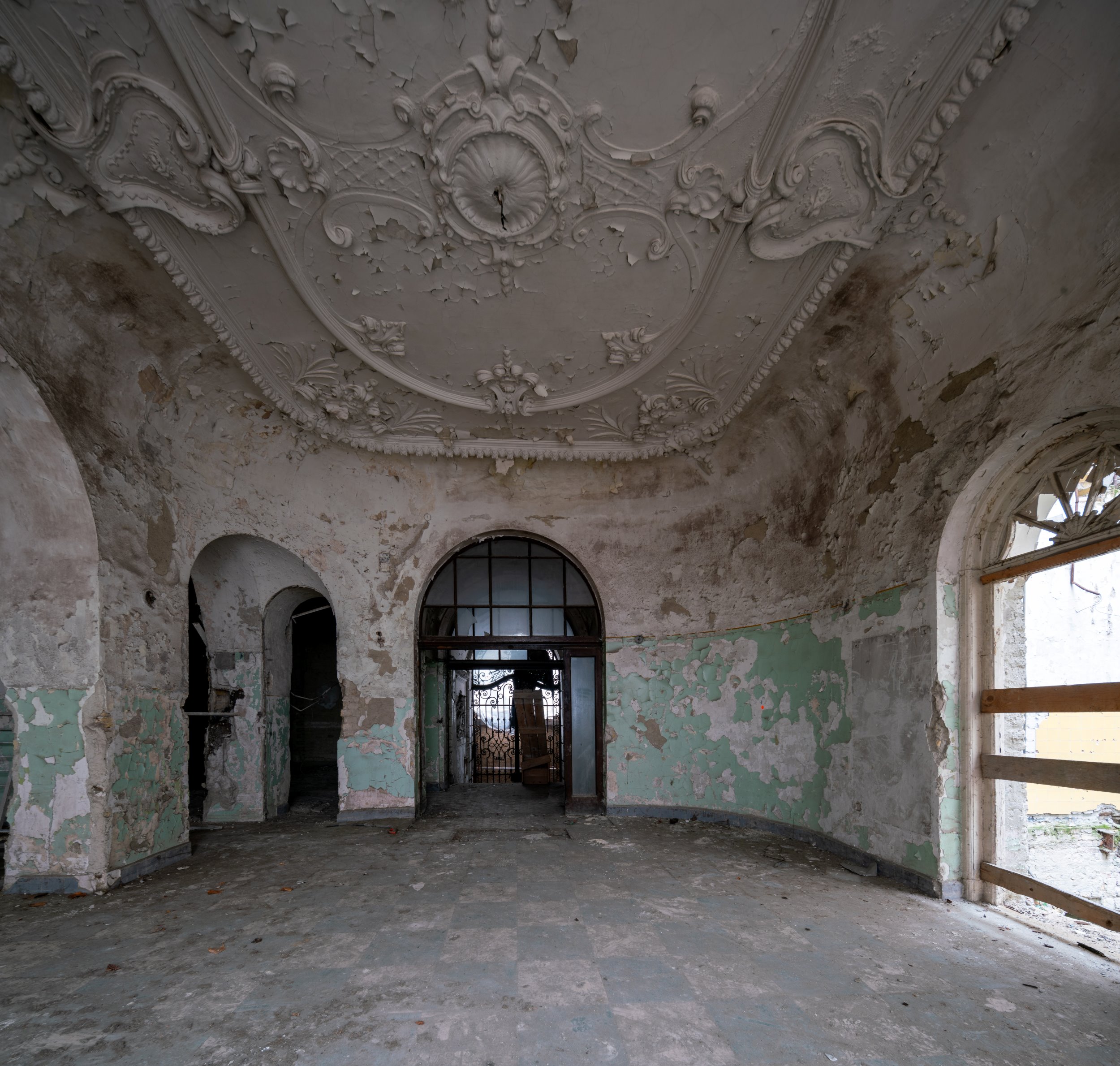
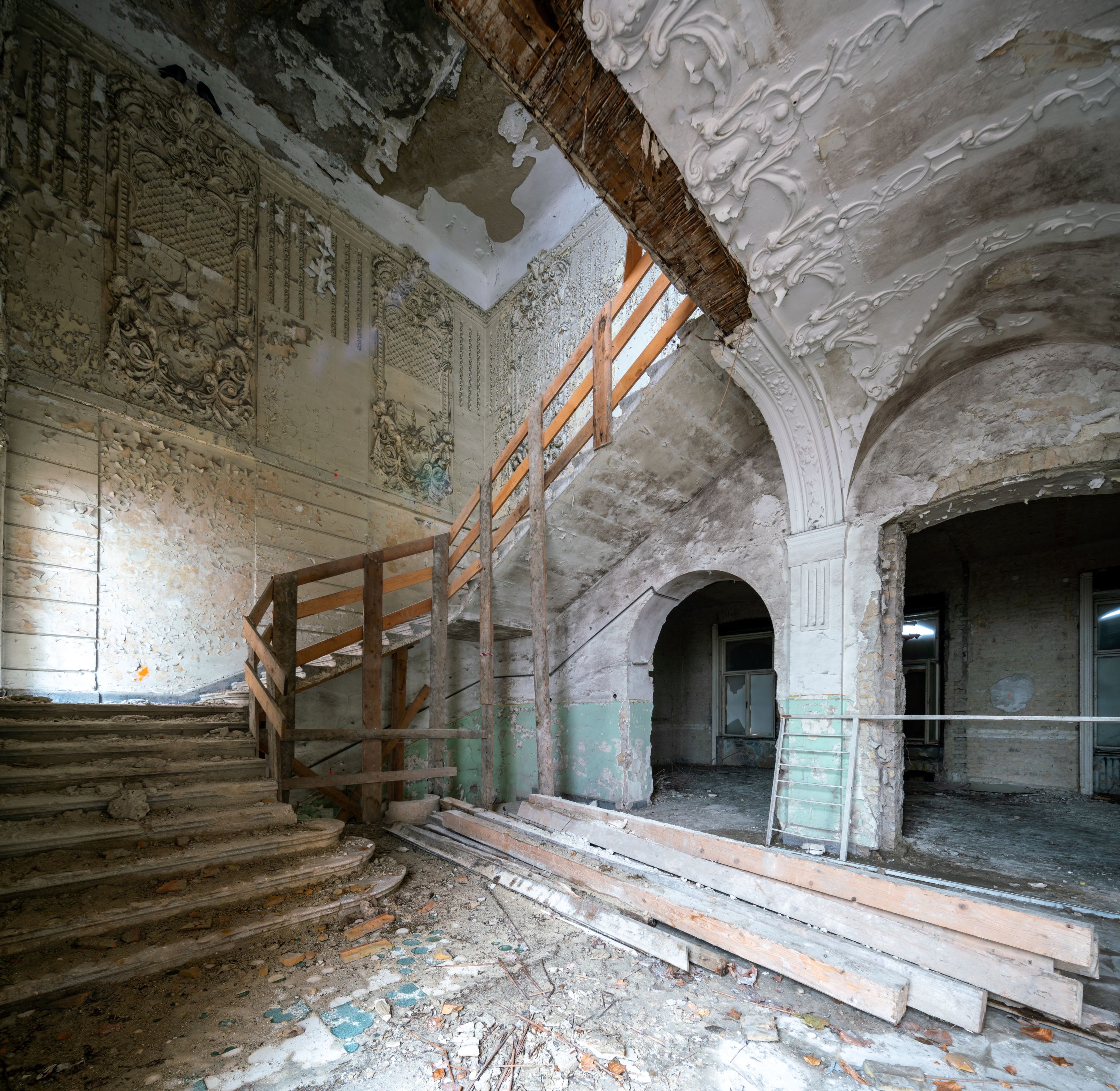
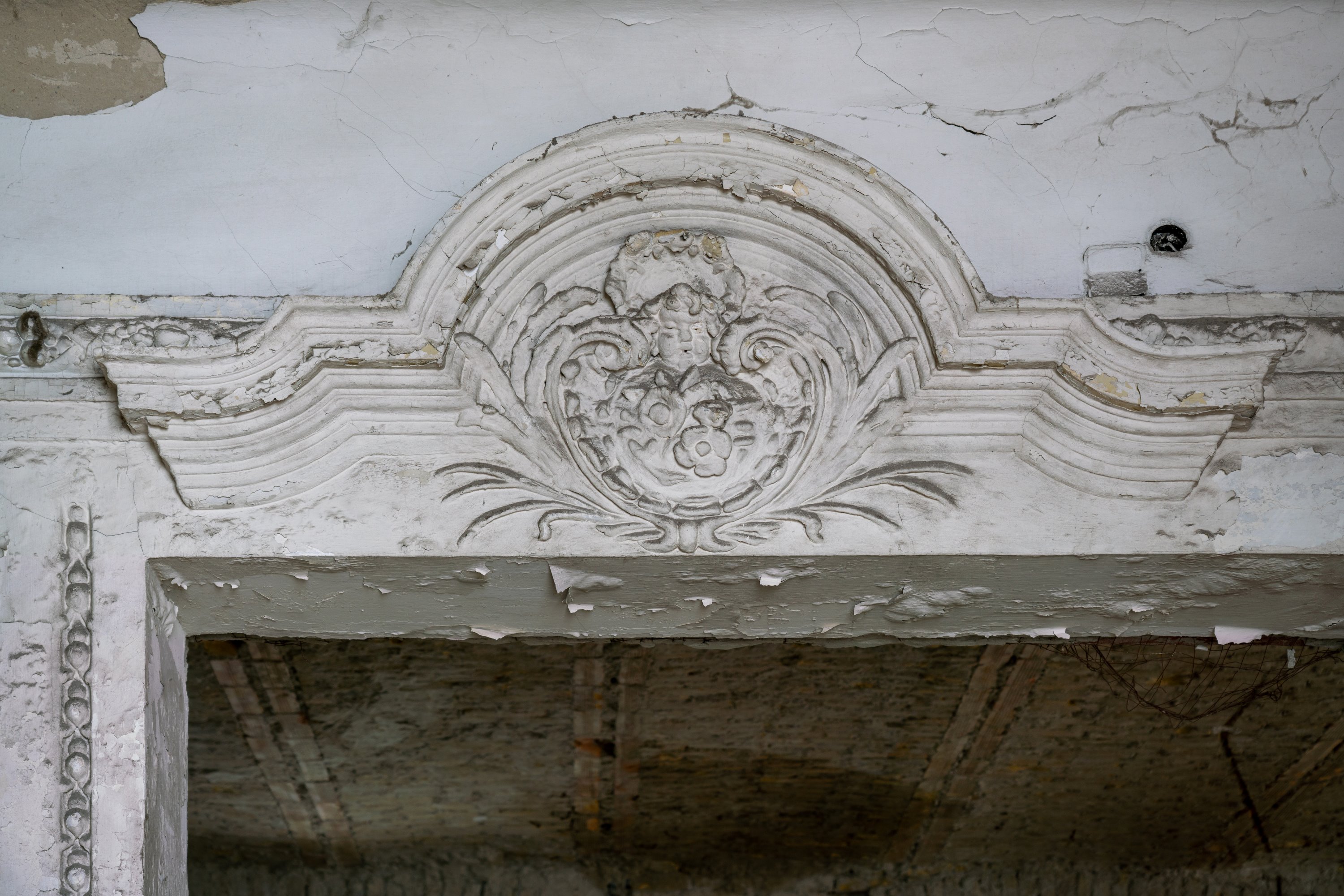
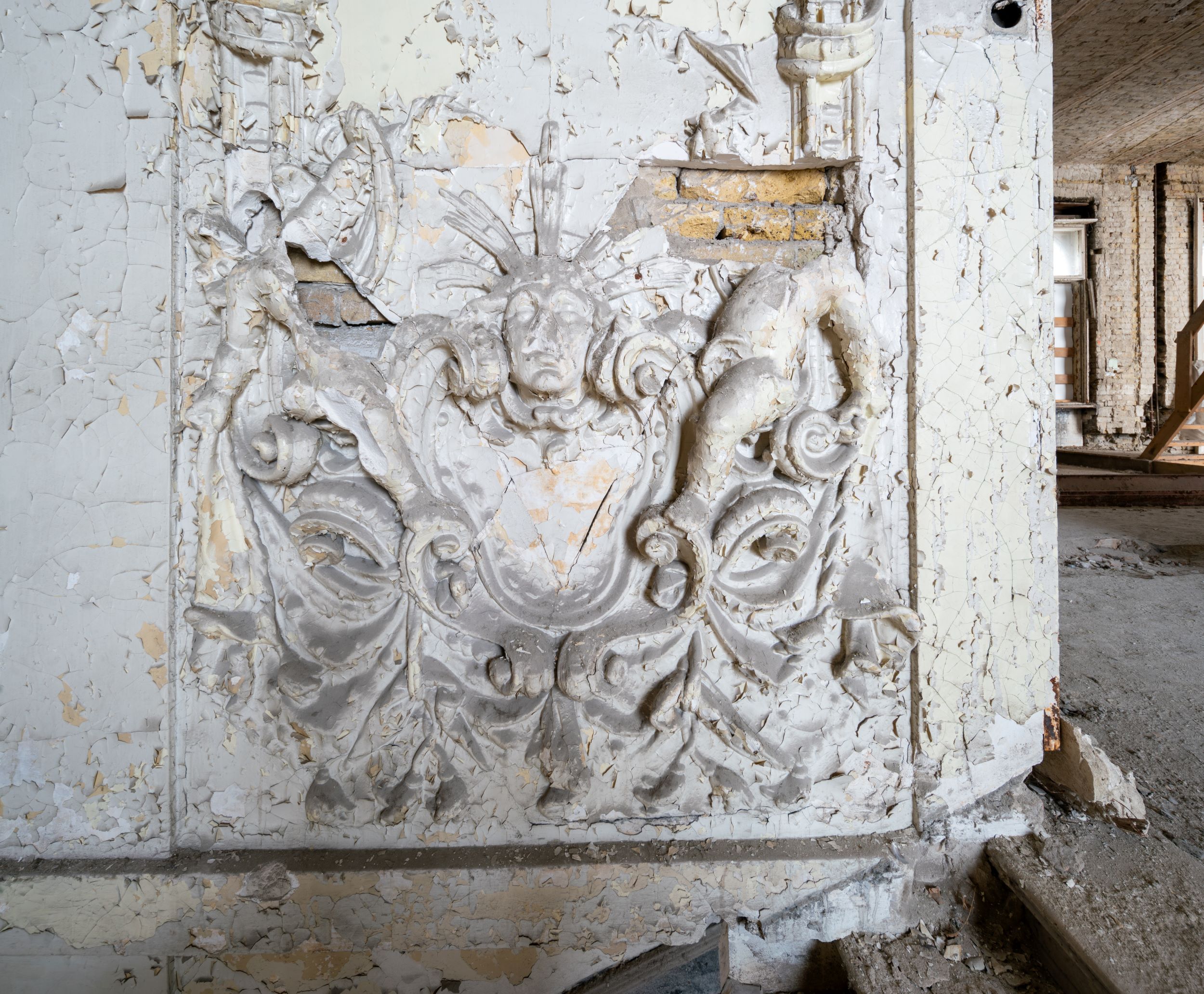
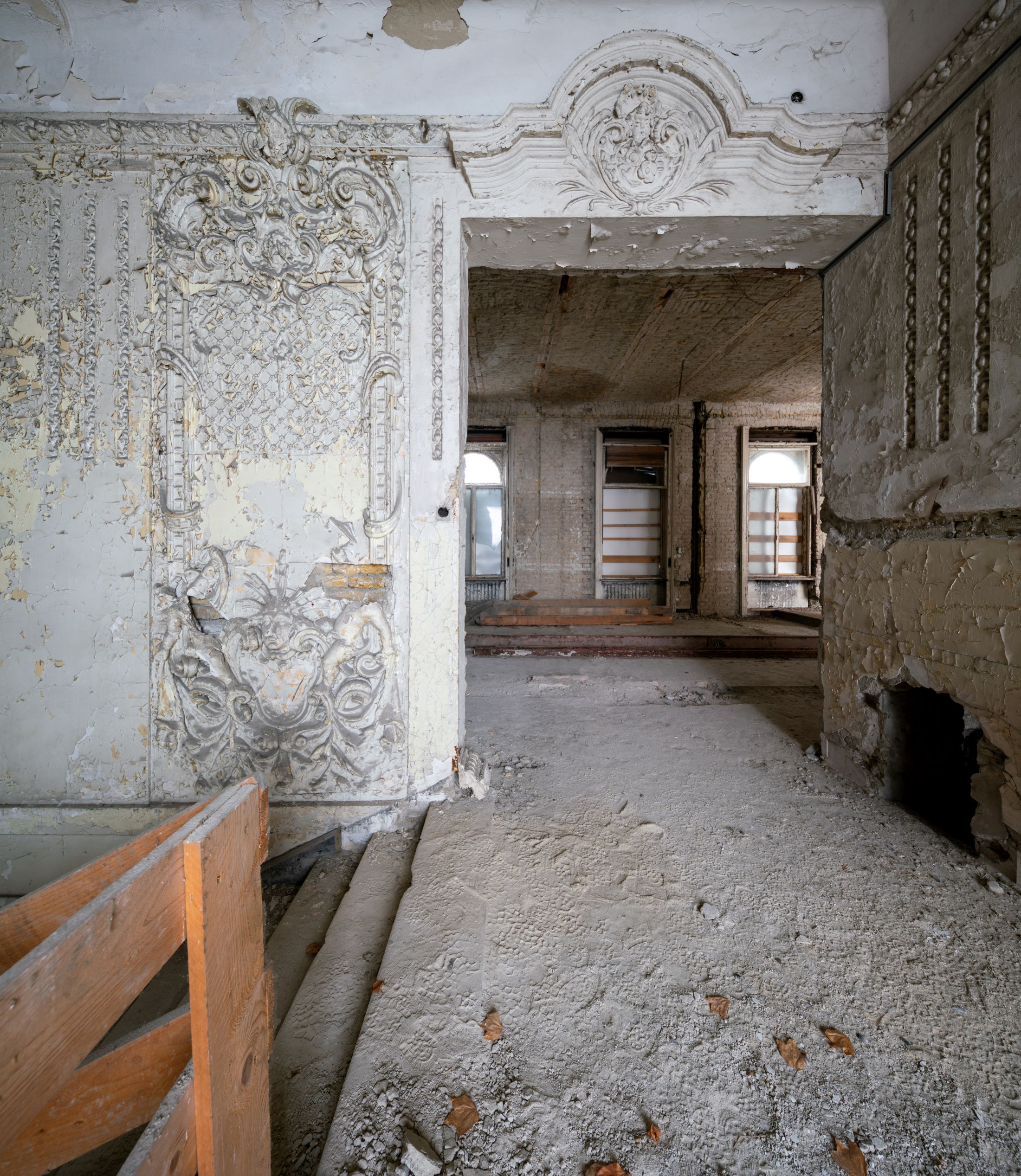
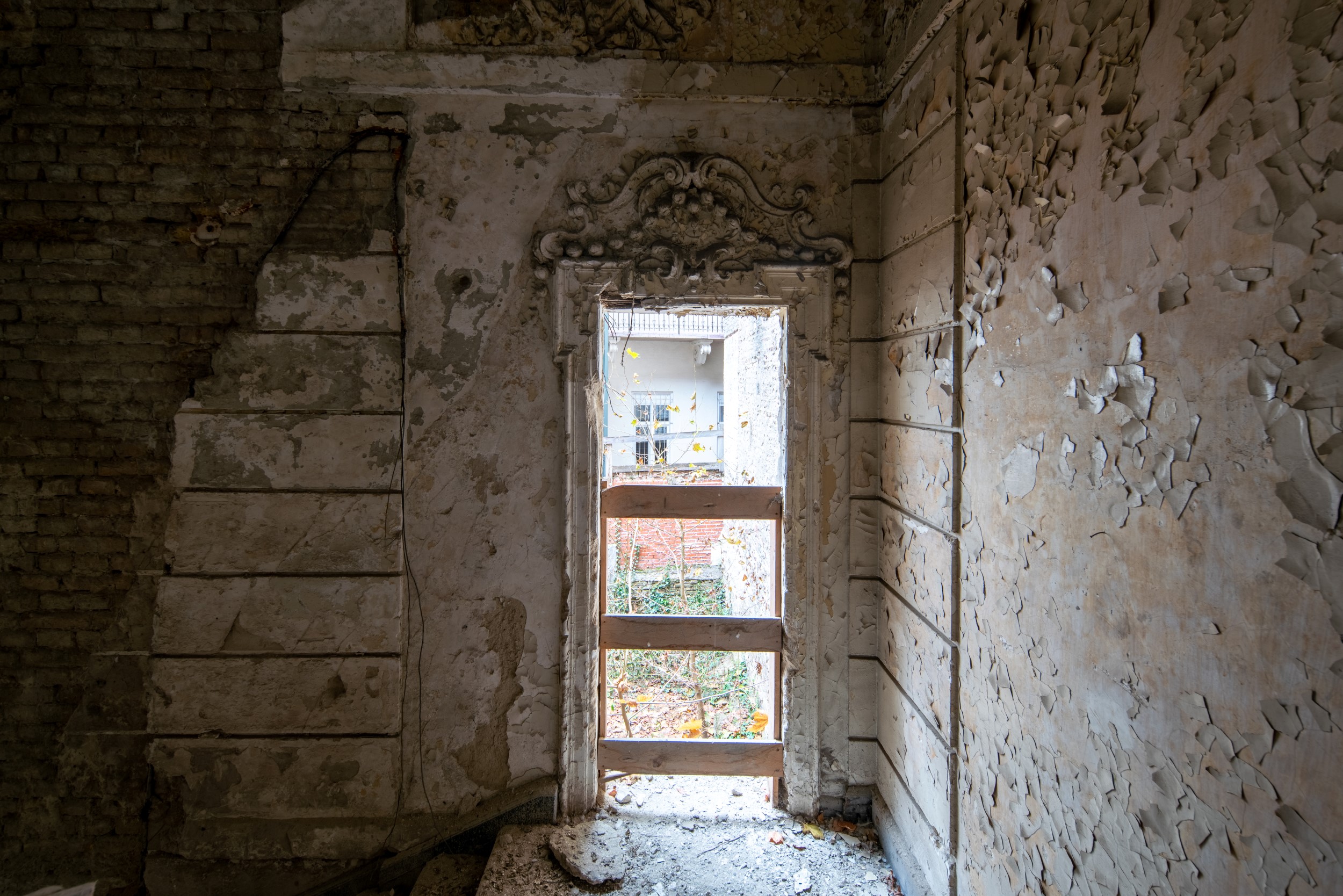
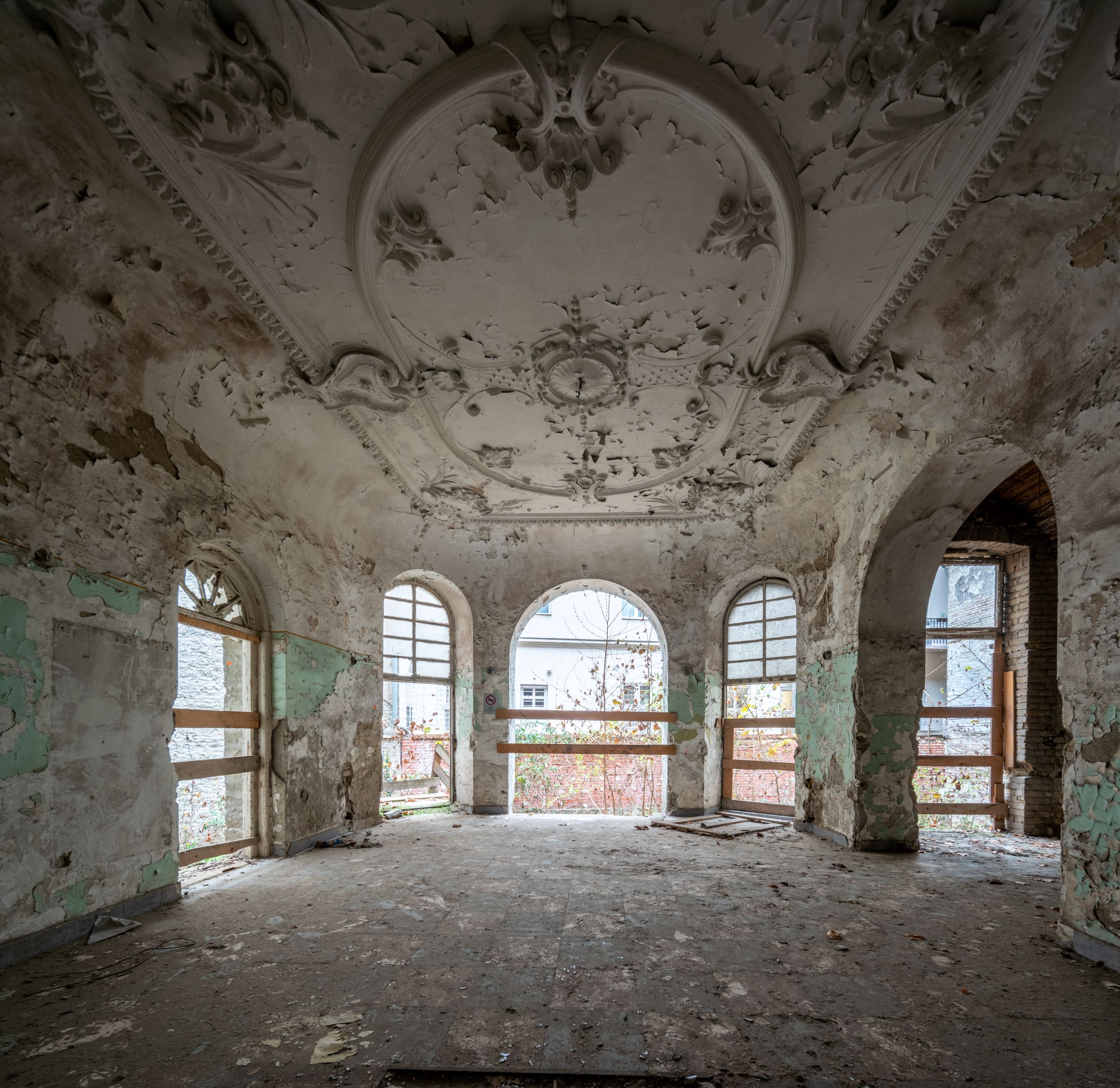
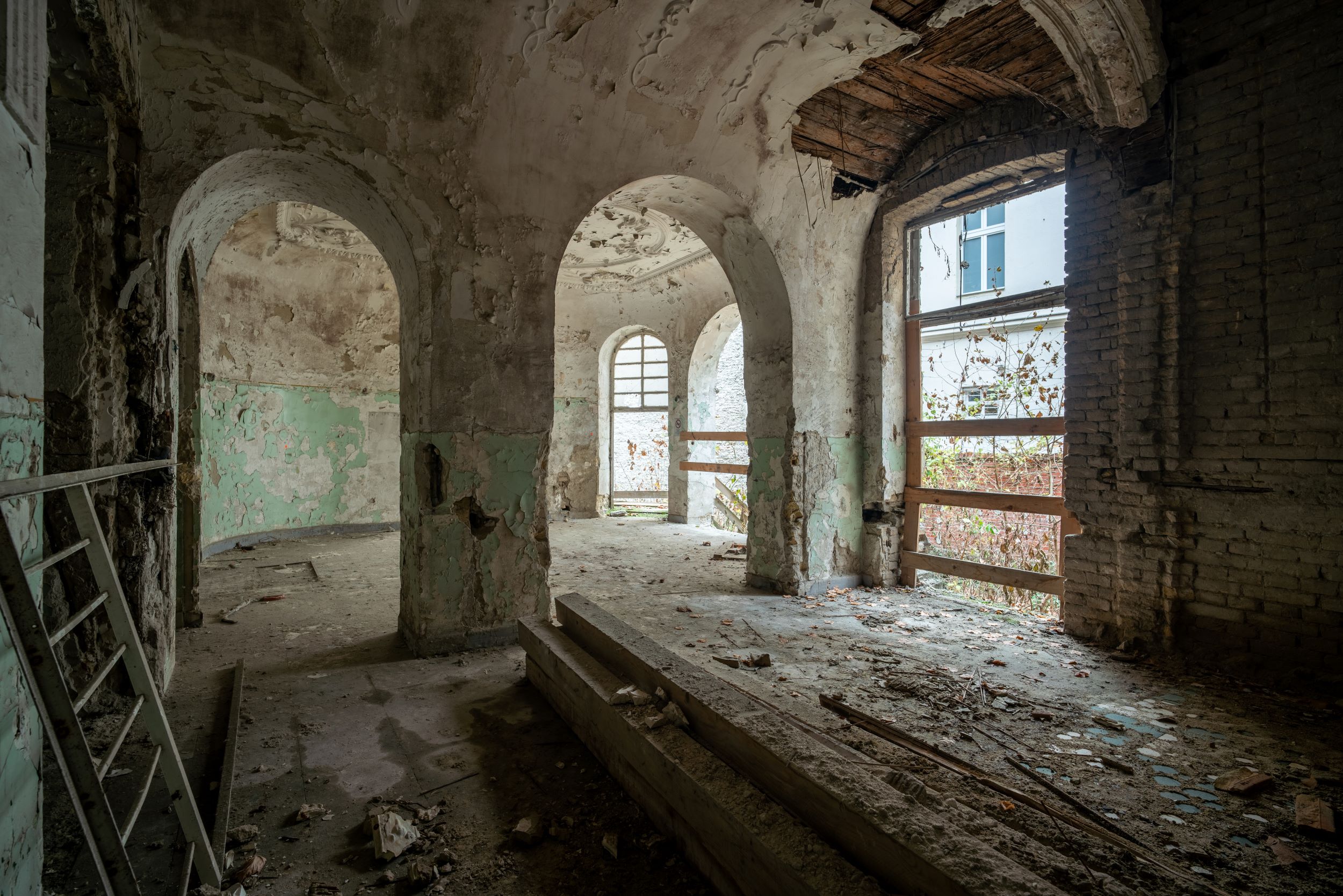
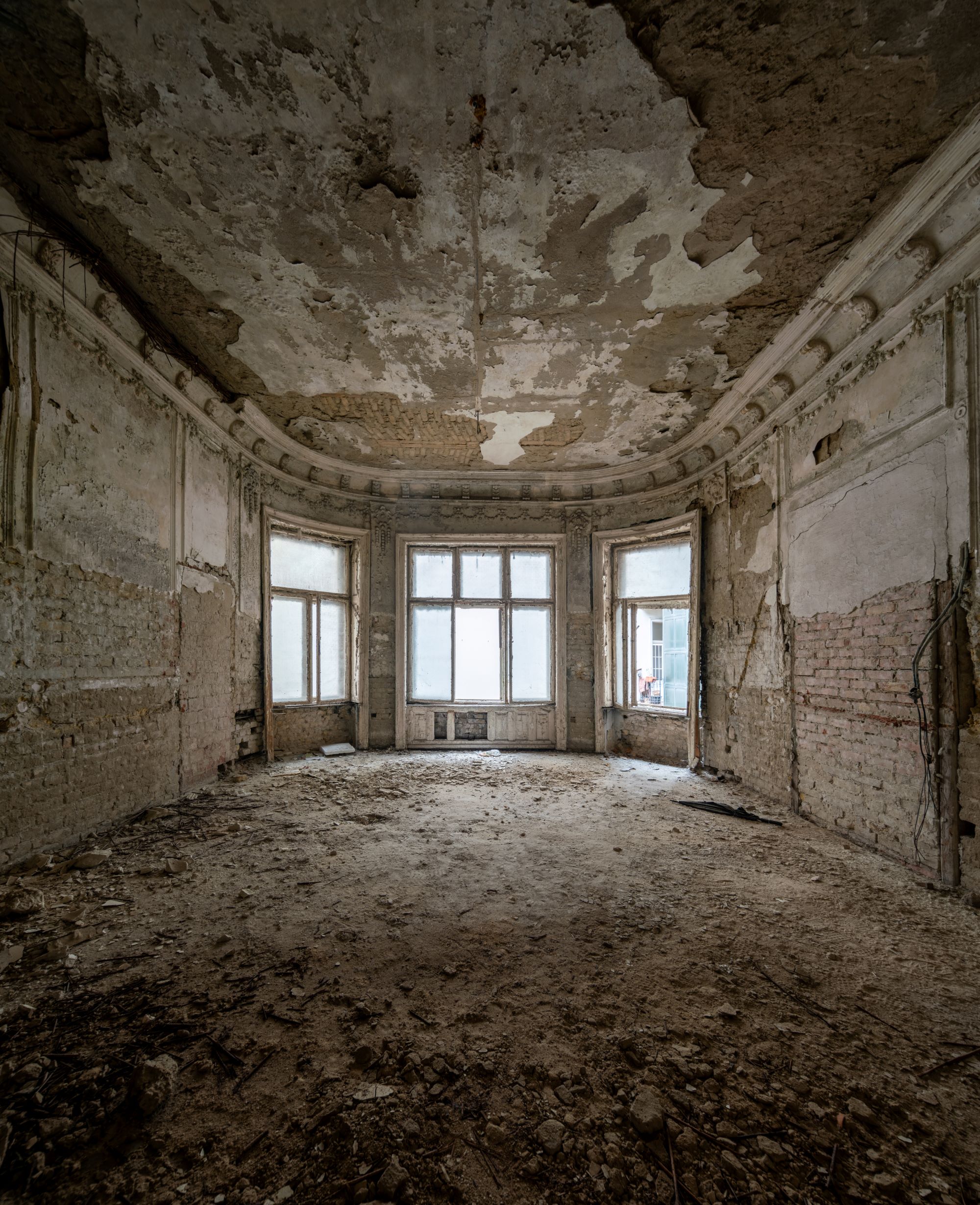
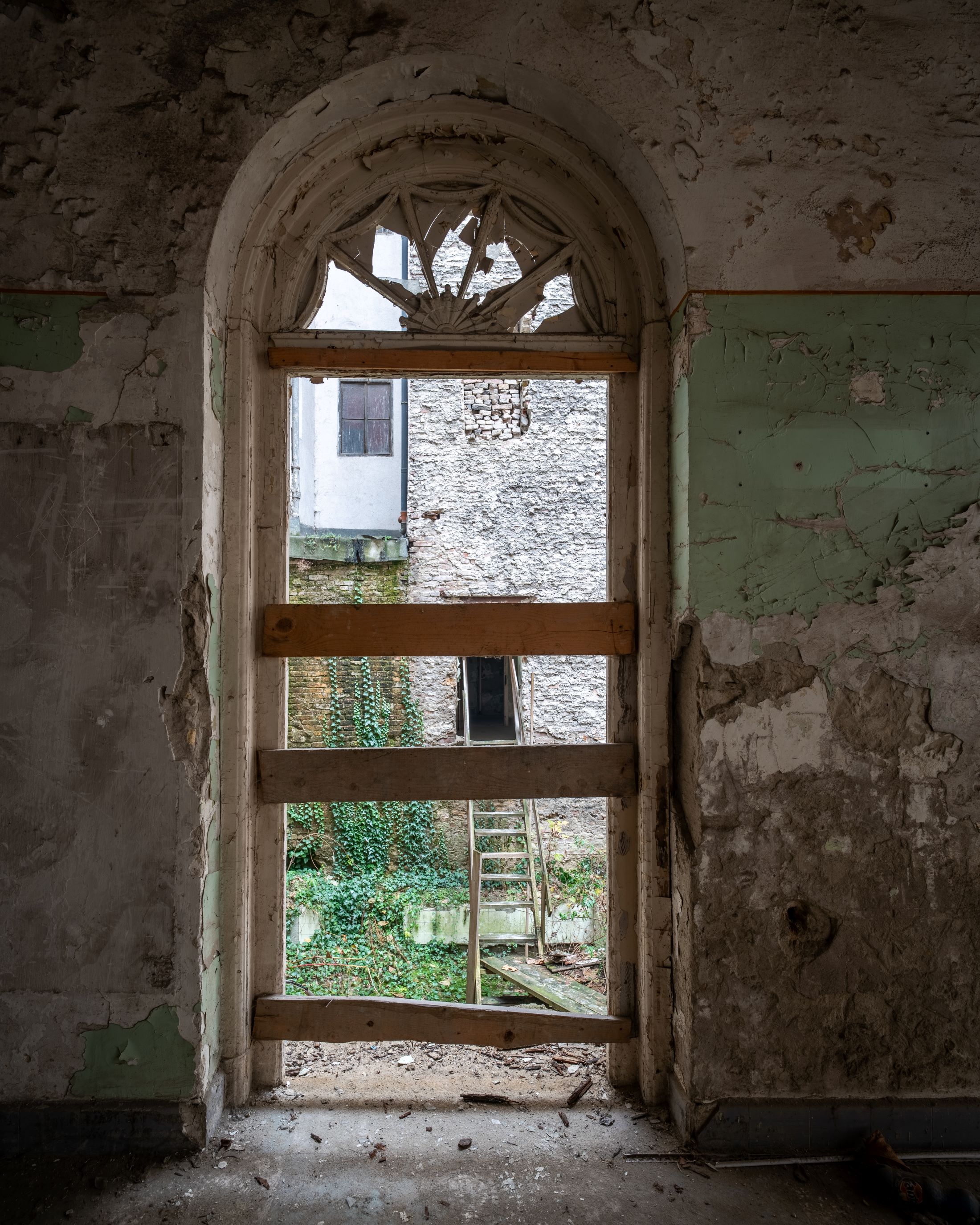
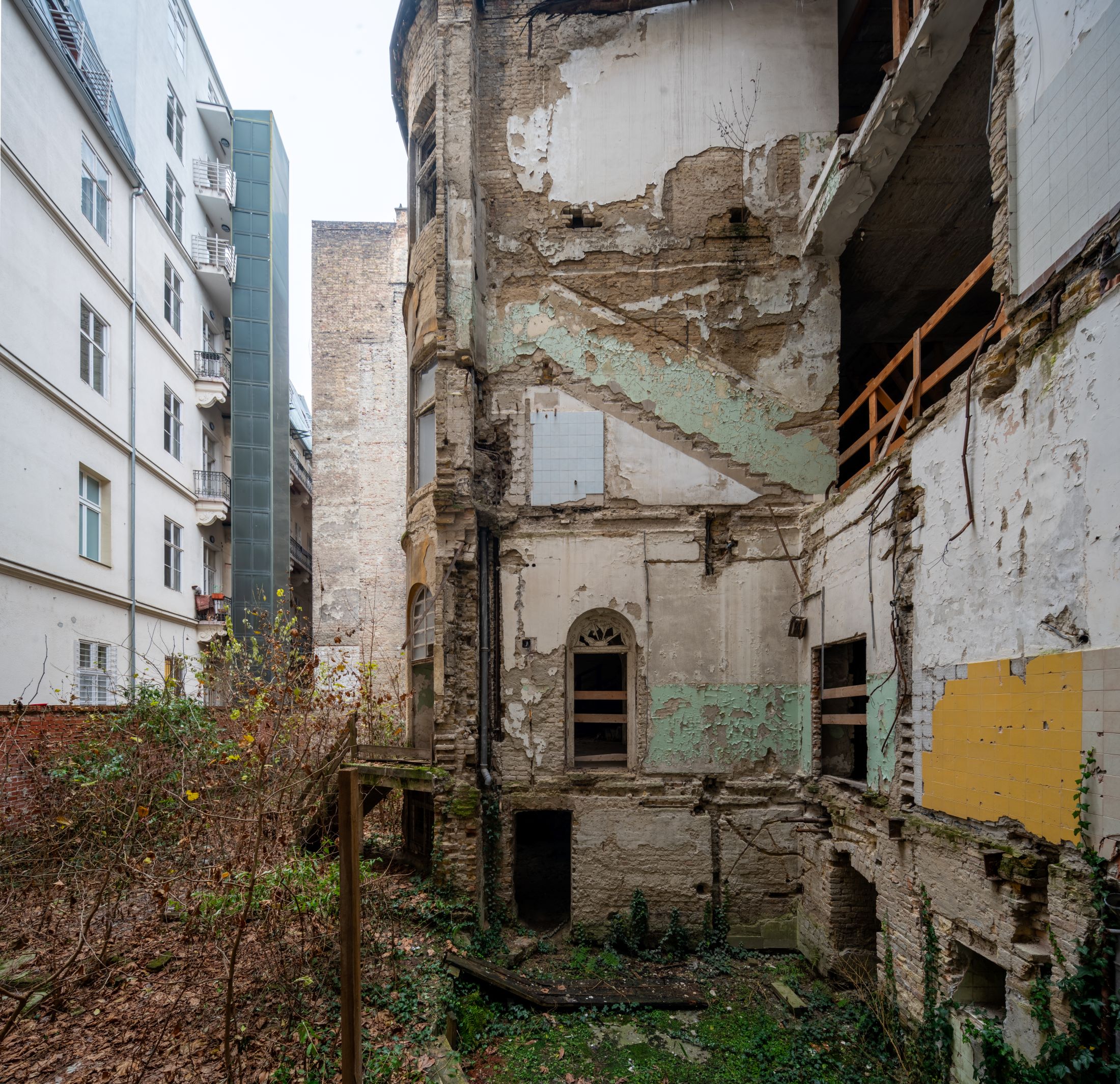
This deteriorating building, located at Benczúr utca 4 in the 6th district of Budapest, was designed by Géza Markus, known for creating the Art Nouveau “Cifrapalota” in Kecskemét and the Schöpf-Merei hospital (which is also currently abandoned) in the 9th district of Budapest. Despite being the work of a famous architect, there is very little hope of saving it.
Originally built in 1896 for Dr. Pollák Gyula, this neobaroque building underwent a change in ownership in 1931 when Tibor Glück, Tibor, and Béla Gottfried bought it to turn it into a sanatorium, offering various treatments to wealthy clients.
The sanatorium owner and many clients were Jewish. During World War II, they secured official protection from the Swedish Red Cross, providing refuge for many Jews in the building. However, both Glück and Gottfried had to resign in 1944, and Aurél Lovassy Stürmer became the new director. Lovassy began extorting money from those hiding in the building. Due to the betrayal of a member of the Swedish Red Cross named István Harangi, many people were captured during a raid in the building and later executed. After the war, both Lovassy and Harangi were prosecuted but received only light sentences.
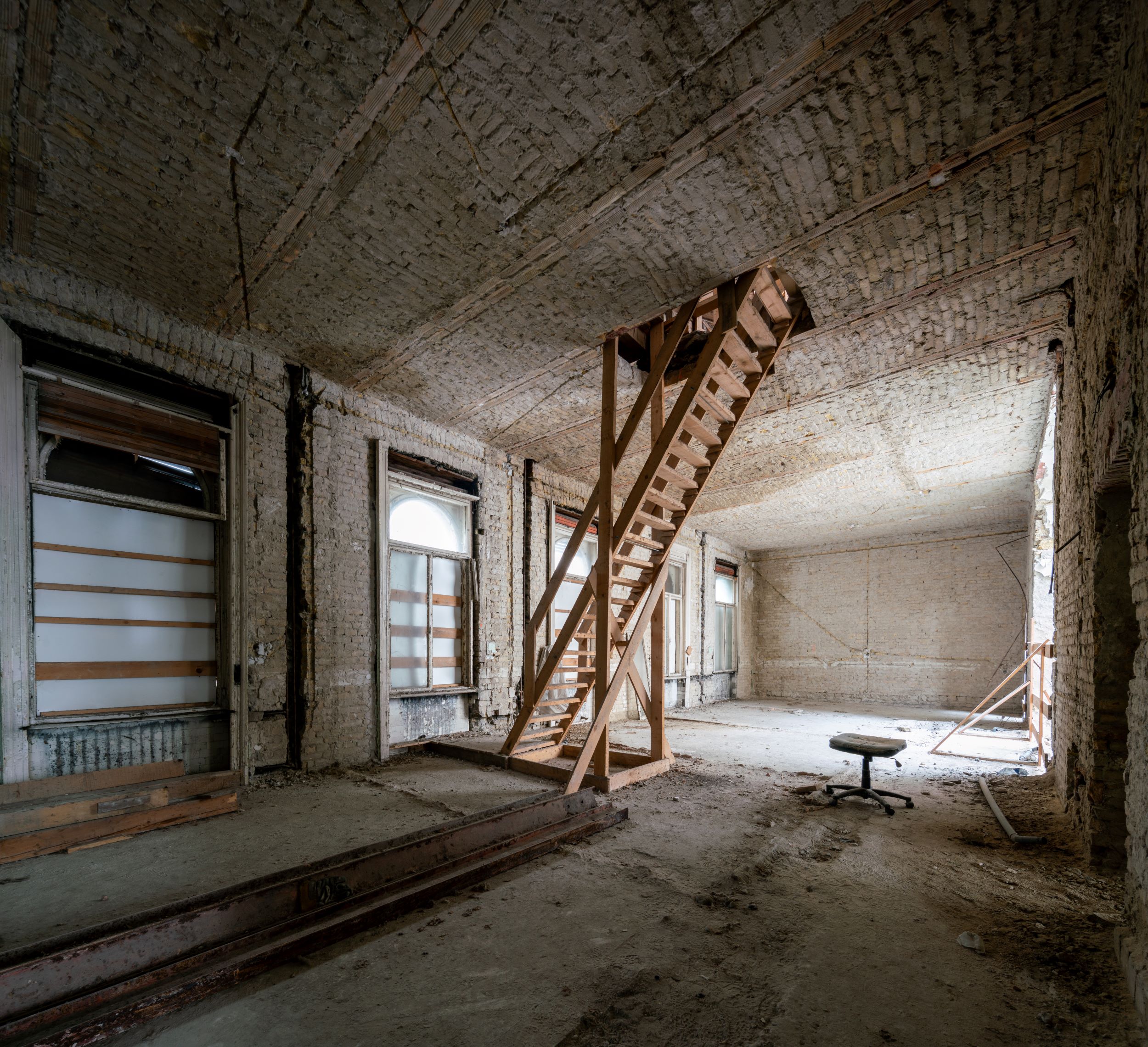
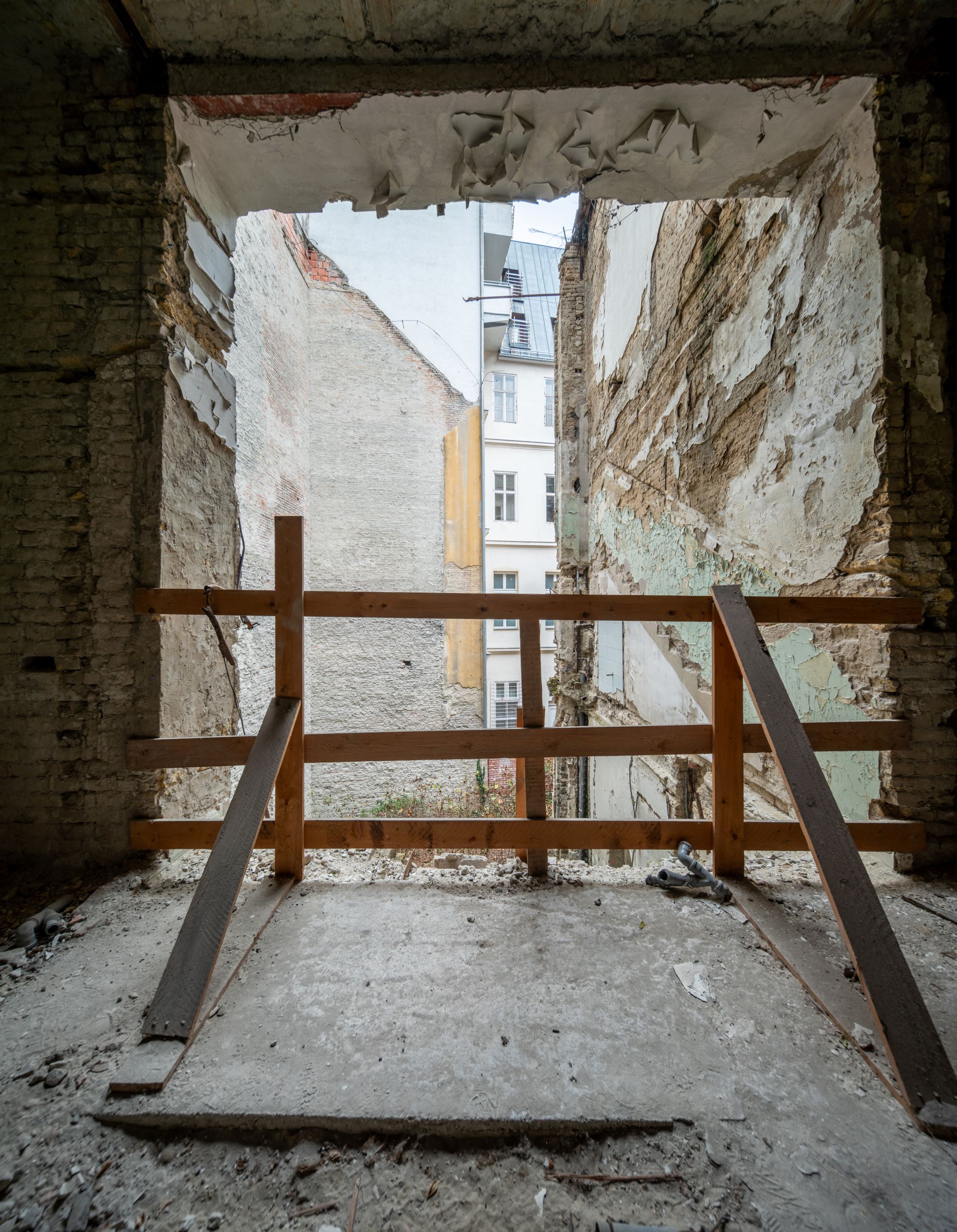
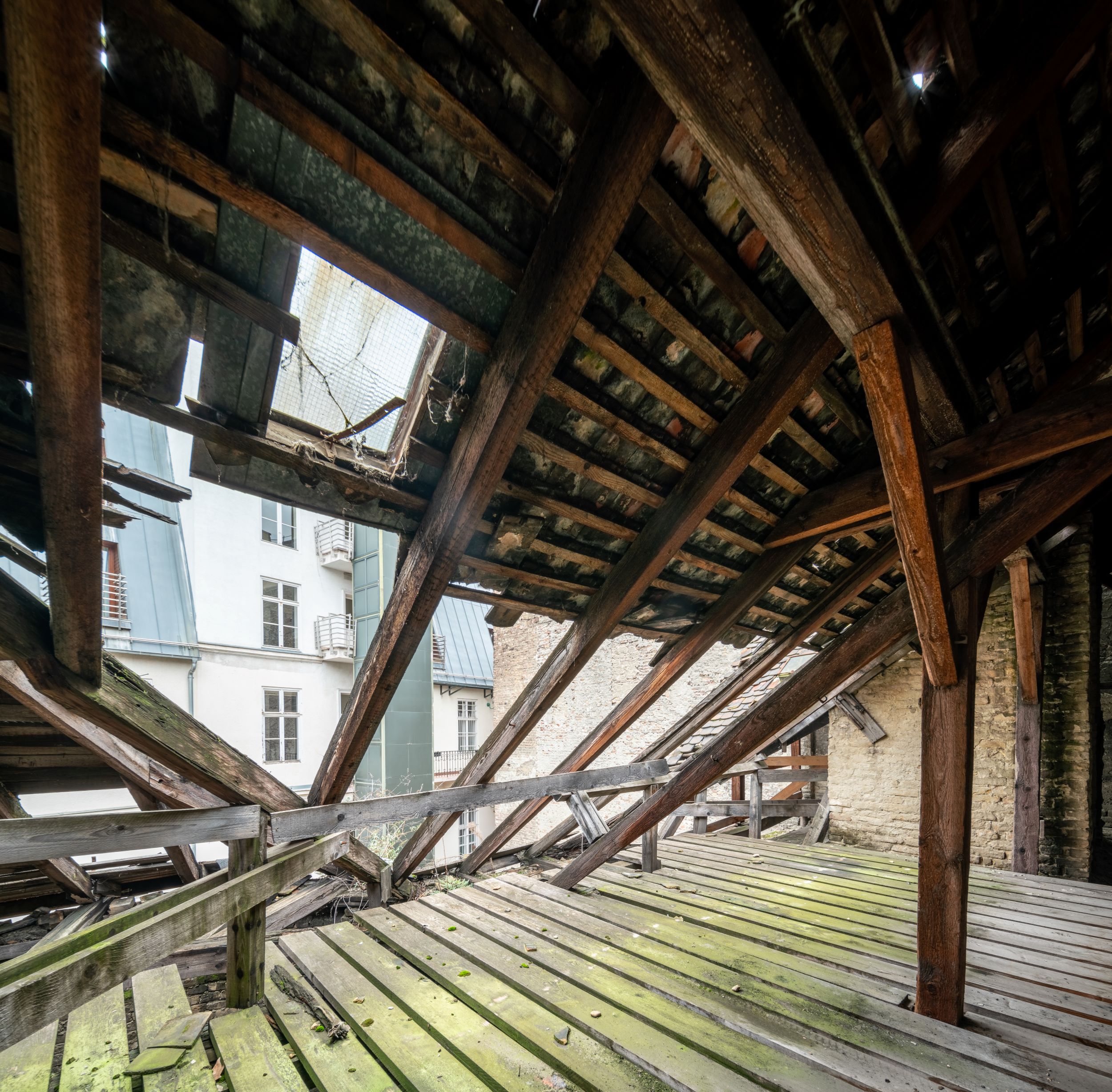
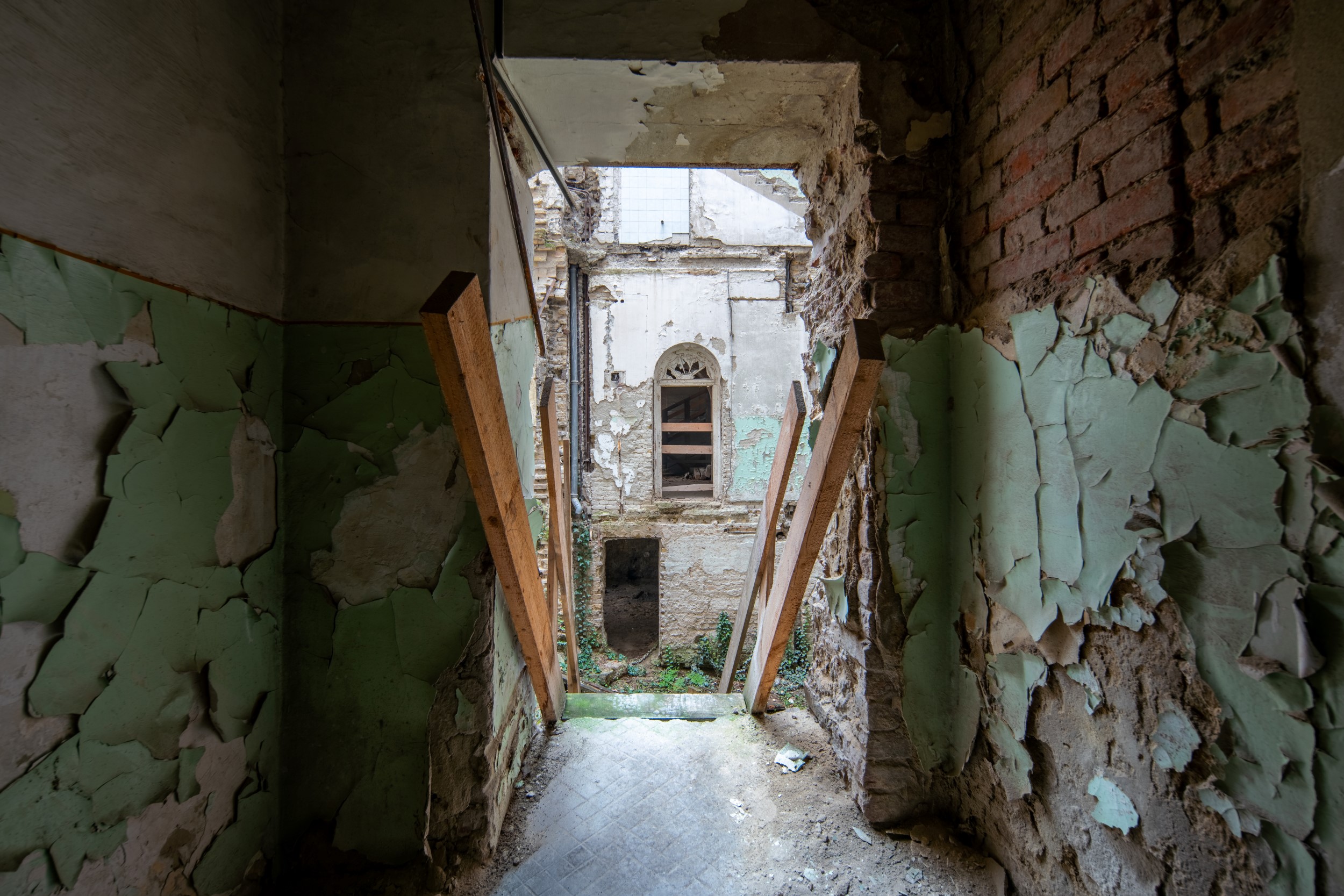
After the war, a hospital operated here until 1995. It was then sold and had several owners, none of whom attempted to save the building. Since then, it has been slowly decaying, and it is only a matter of time before it is declared a threat to public safety due to its deteriorating condition and scheduled for demolition.







 Buildings Tell Tales
Leave a reply to vermavkv Cancel reply