
In January 2024, I spent a weekend heading towards southern Hungary to explore Dombovár and Sásd. Since I had some time, I decided to spontaneously explore a random place between the two towns, and this is how I ended up spending a few hours in a small town named Sásd.
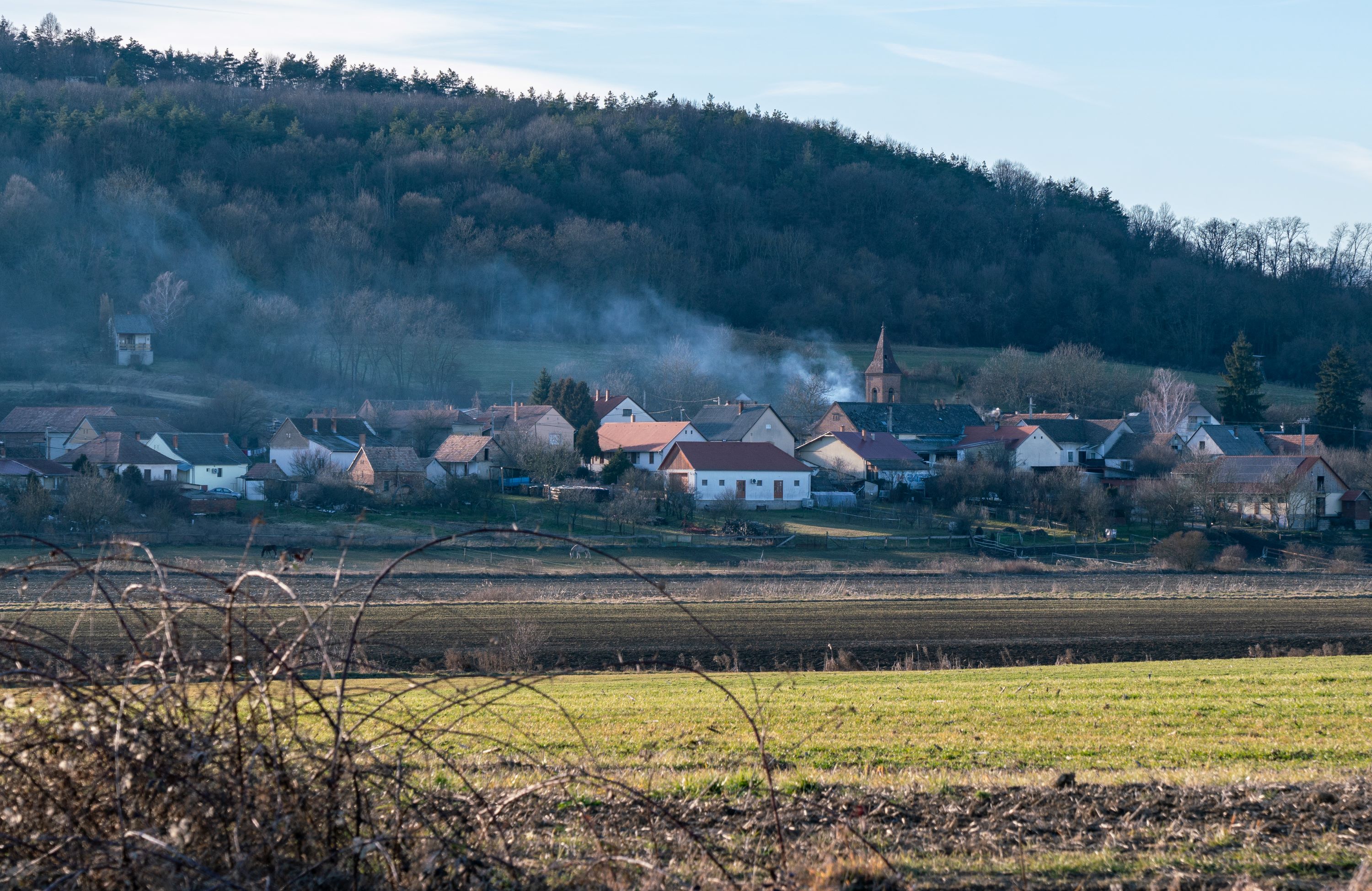
Sásd is a town in Baranya County with a population of approximately 3000 people. The town played an important role during the first half of the 20th century. Following the Serbian occupation of Pécs after World War I, from November 14, 1918, to August 20, 1921, Sásd became the temporary capital of Baranya County. In 1936, Sásd expanded with the annexation of a small village named Hörnyék.
From an architectural point of view, Sásd is also quite an interesting place to visit. As soon as I left the train and started to walk towards the center, I spotted a beautiful villa. There is an interesting mix between typical Hungarian village houses from the 19th century to the early 20th century, mid-class villas from the 1920s/1930s, and “Kádár Cubes,” uniformly shaped houses that were built between the 1960s and 1980s.
This is the beautiful villa I discover just after leaving the railway station :

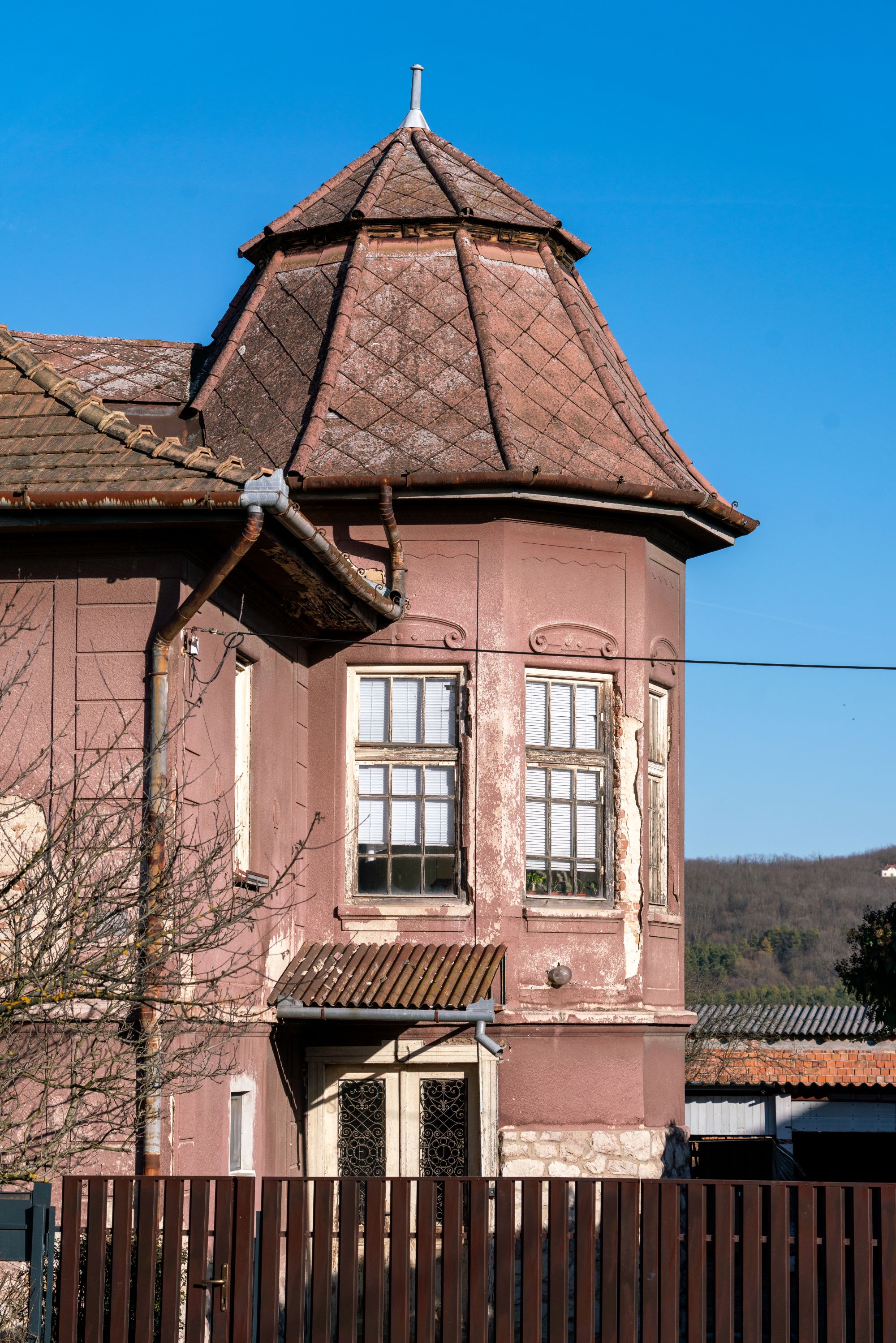
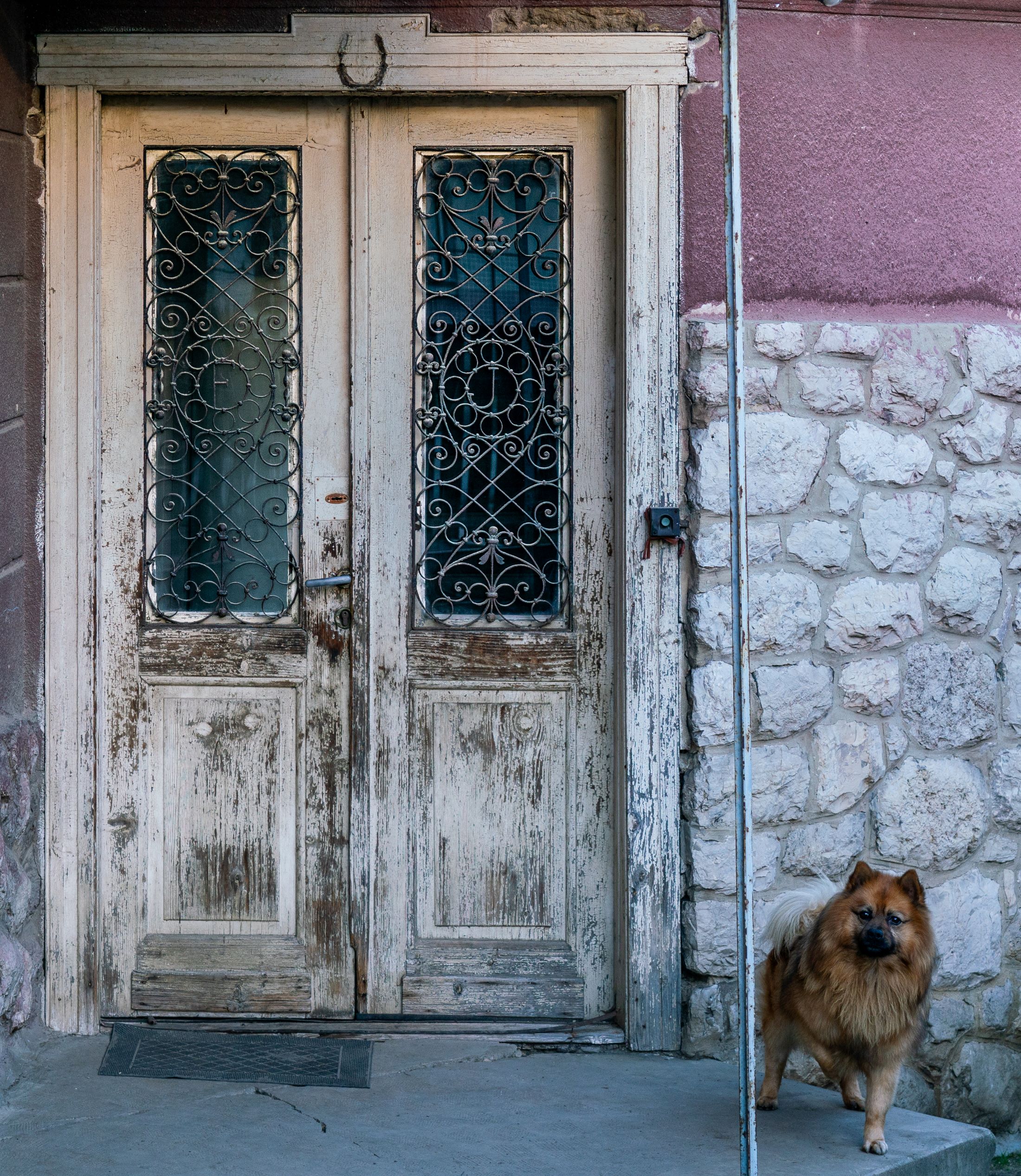
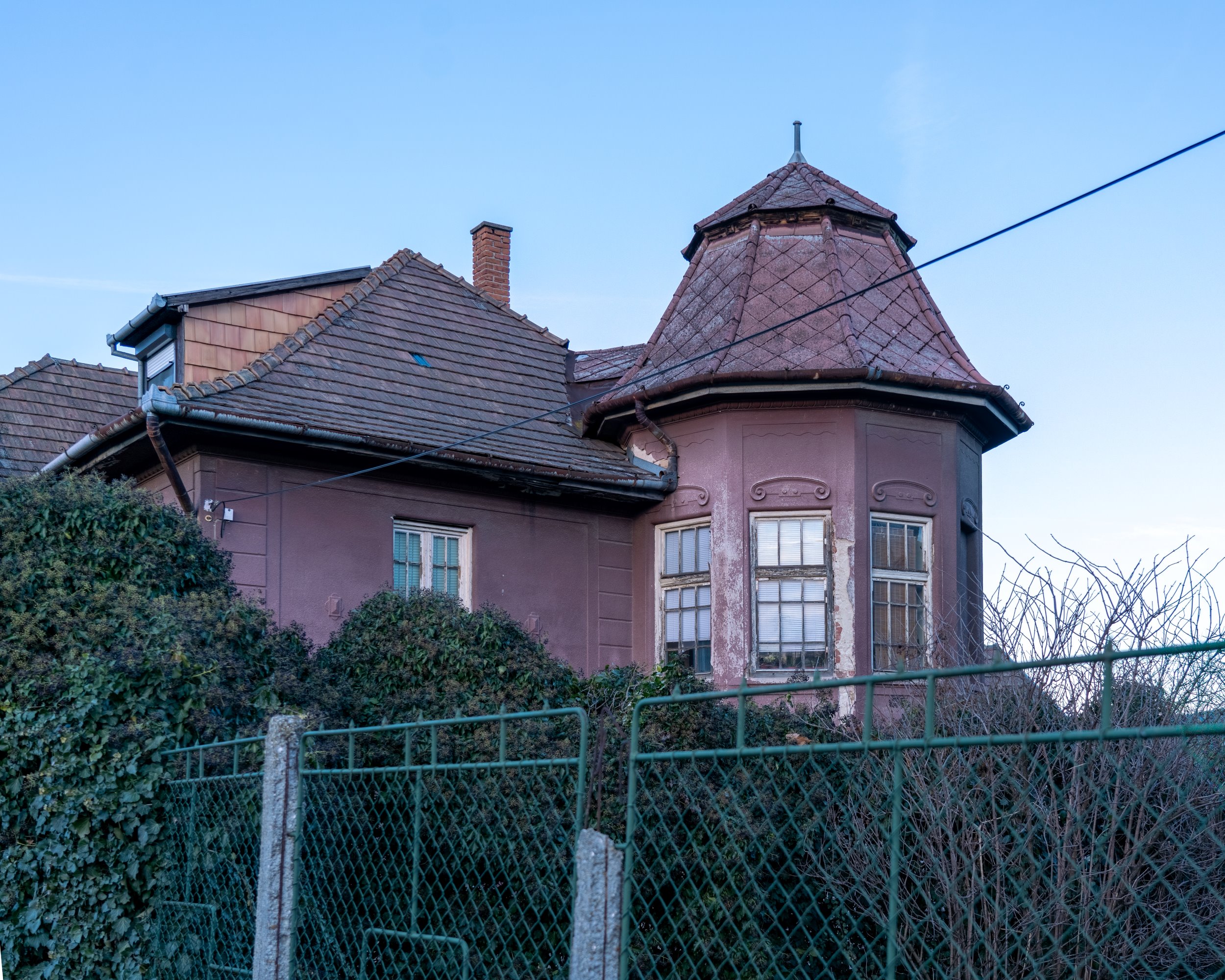
A beautiful house (which looks unfortunately abandoned) I found while walking in Sásd :
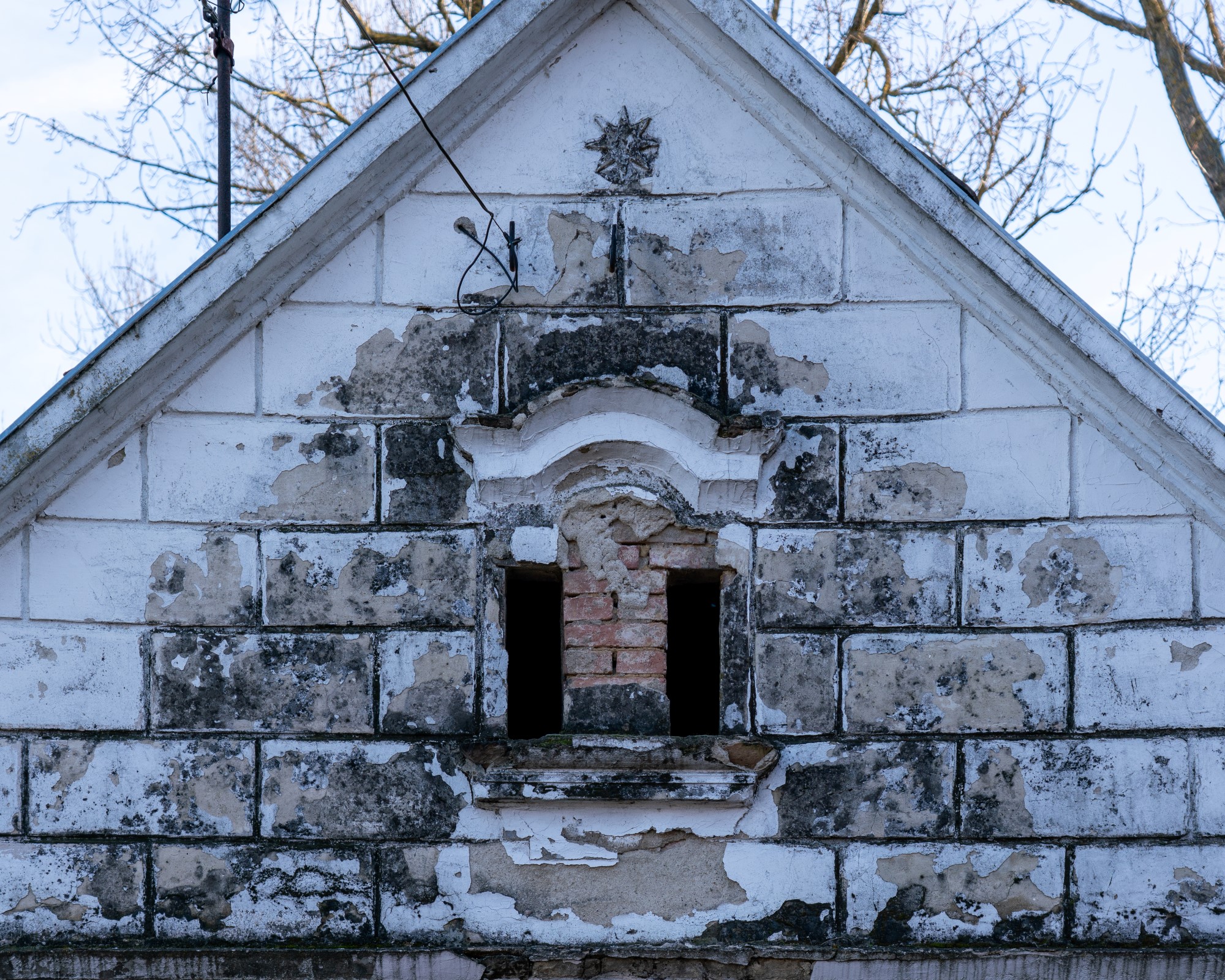

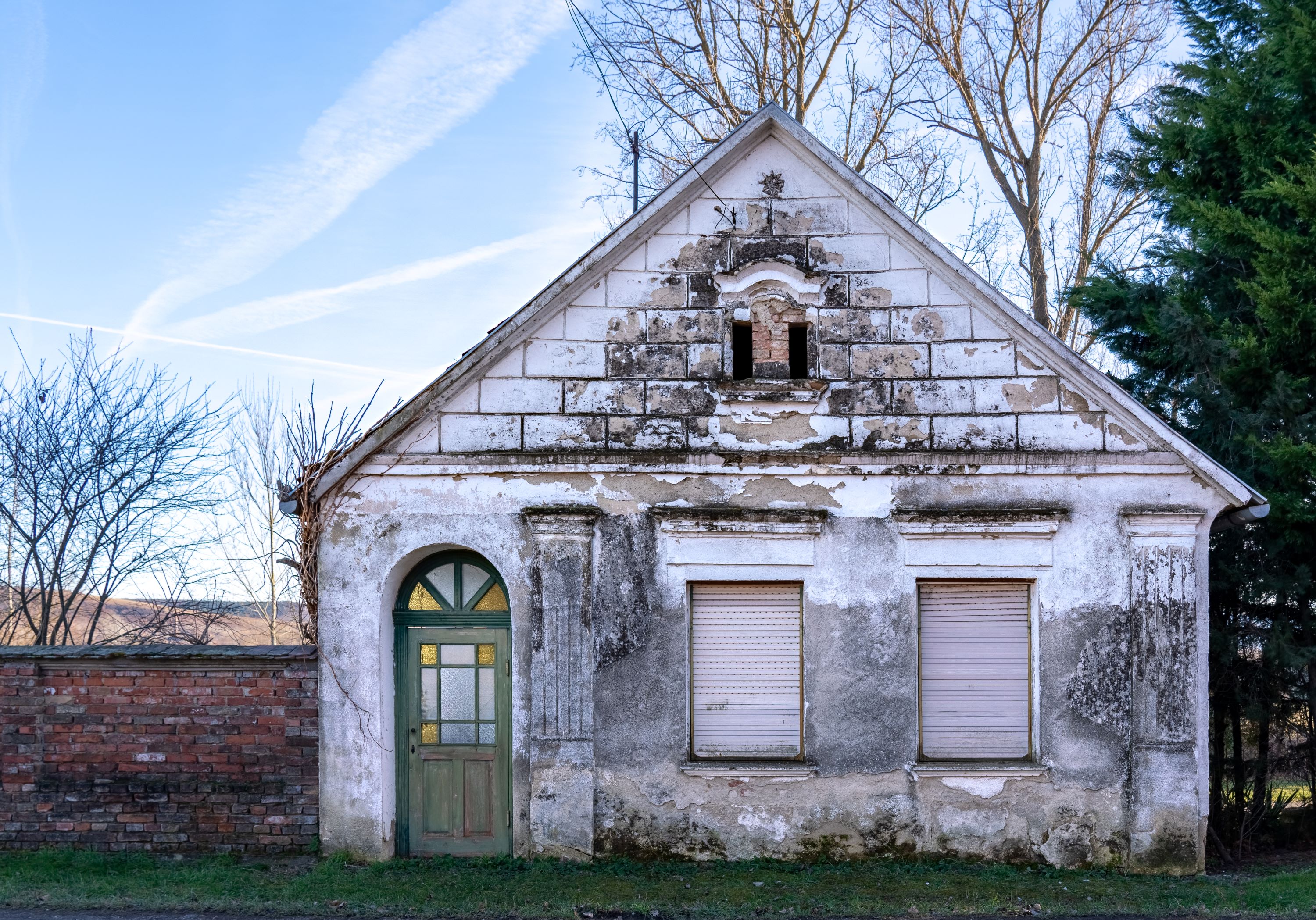
Some other nice buildings :
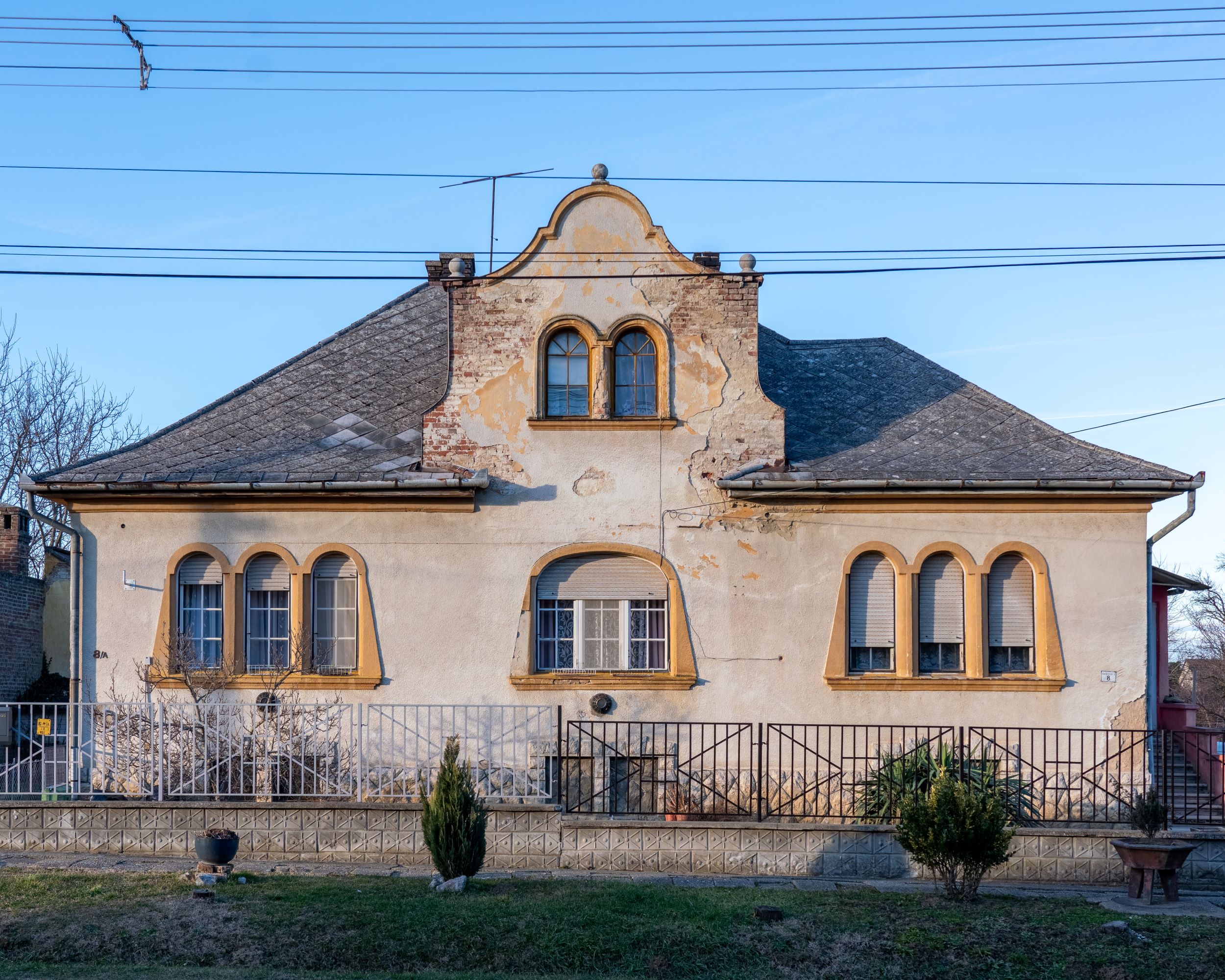
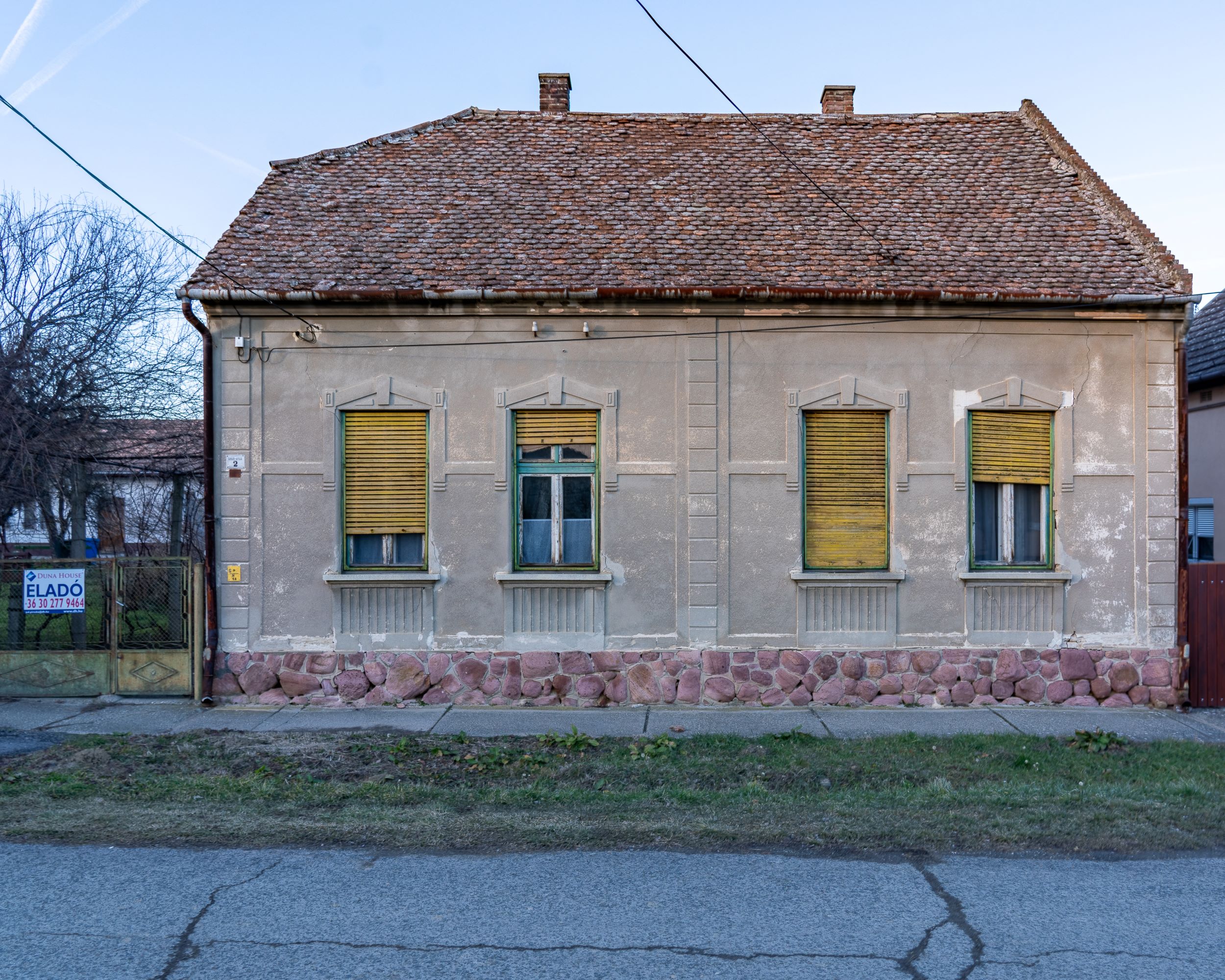
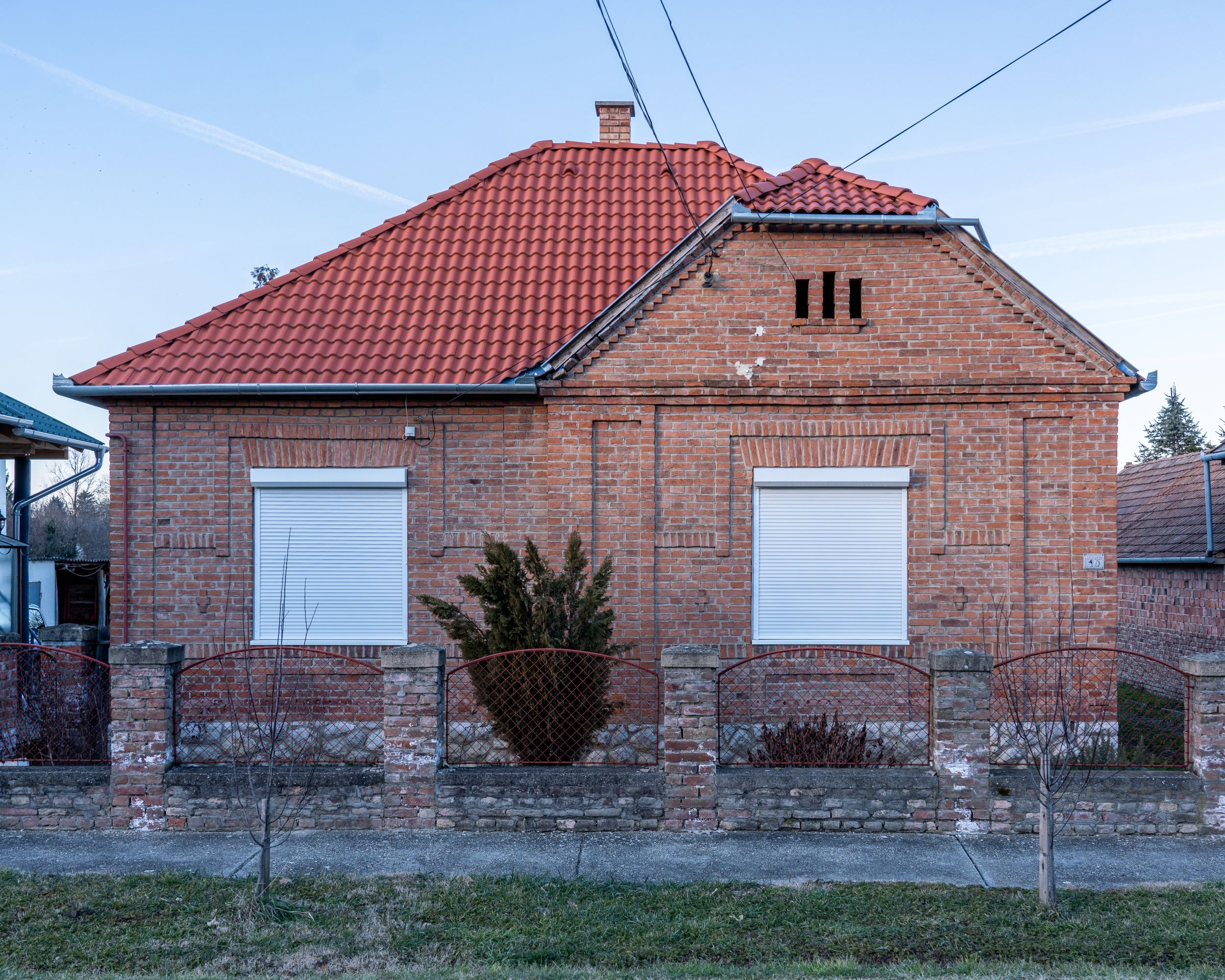
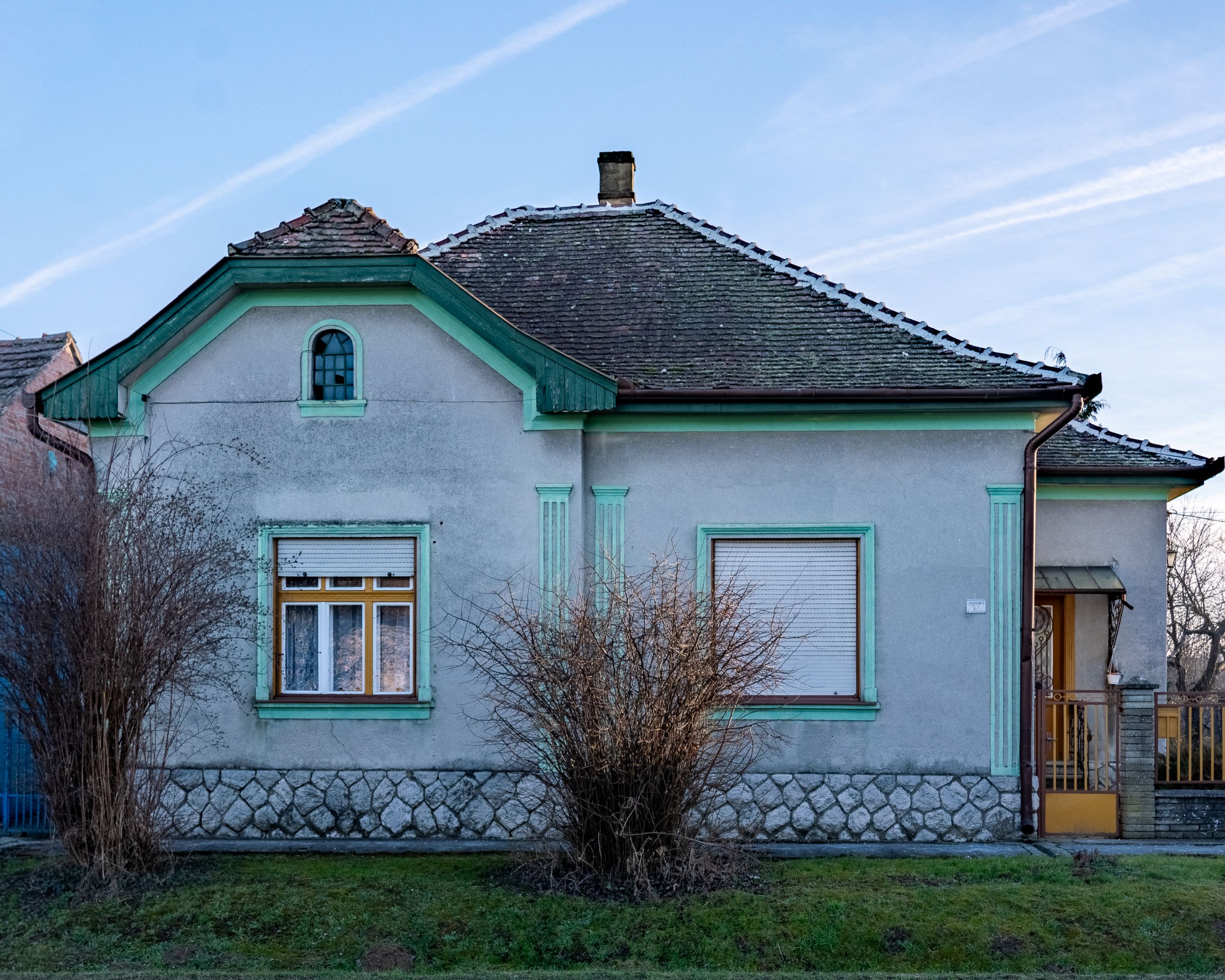

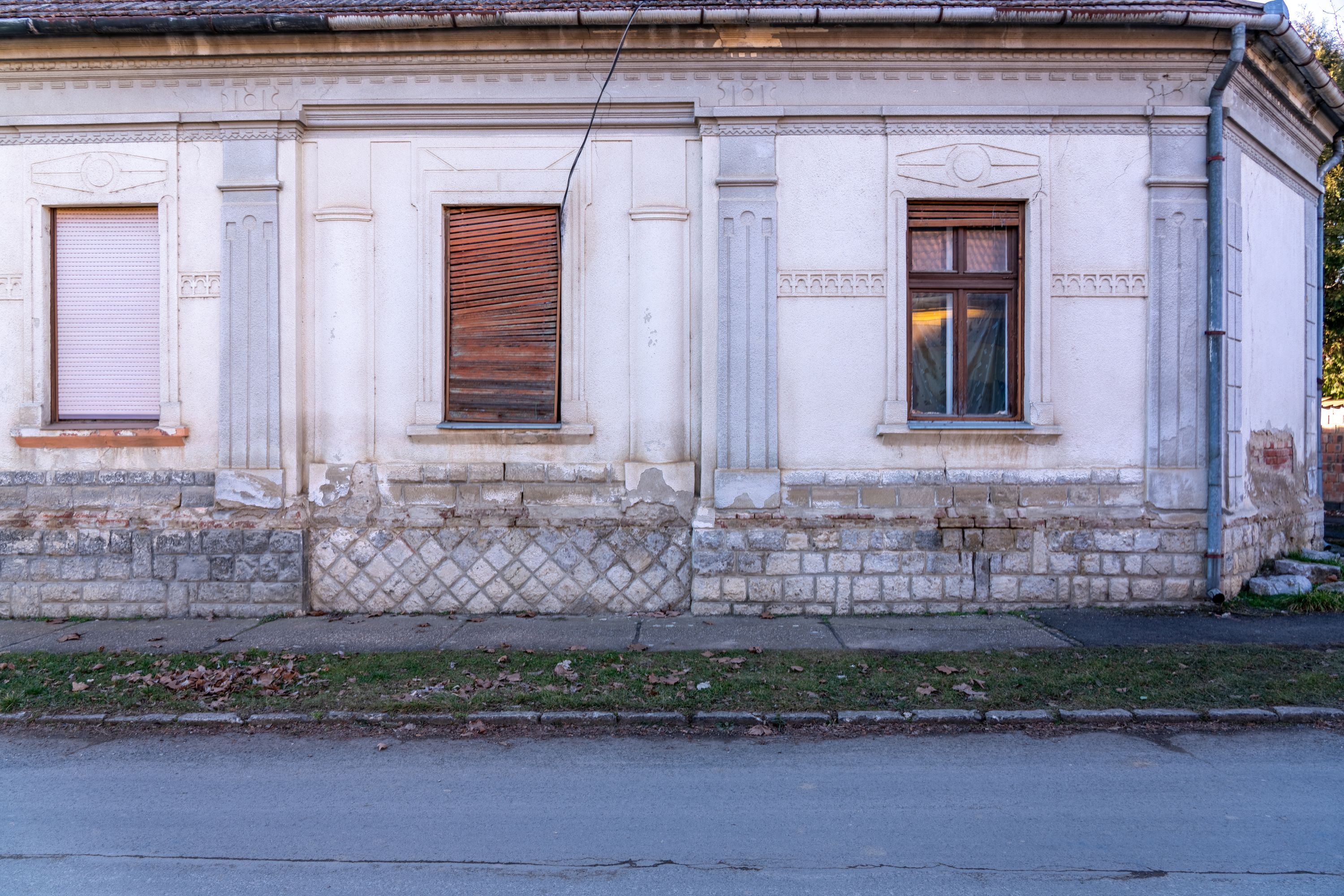
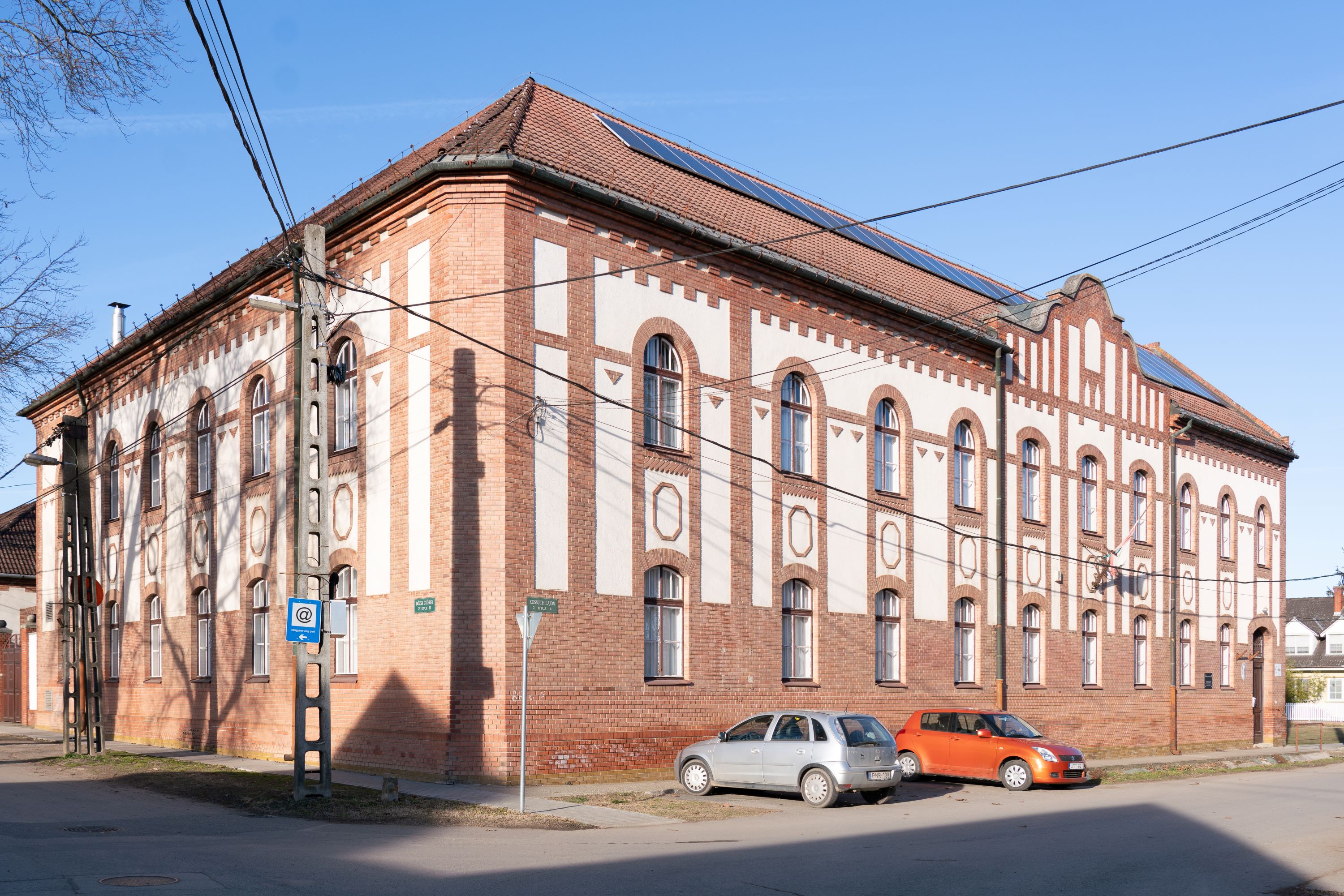
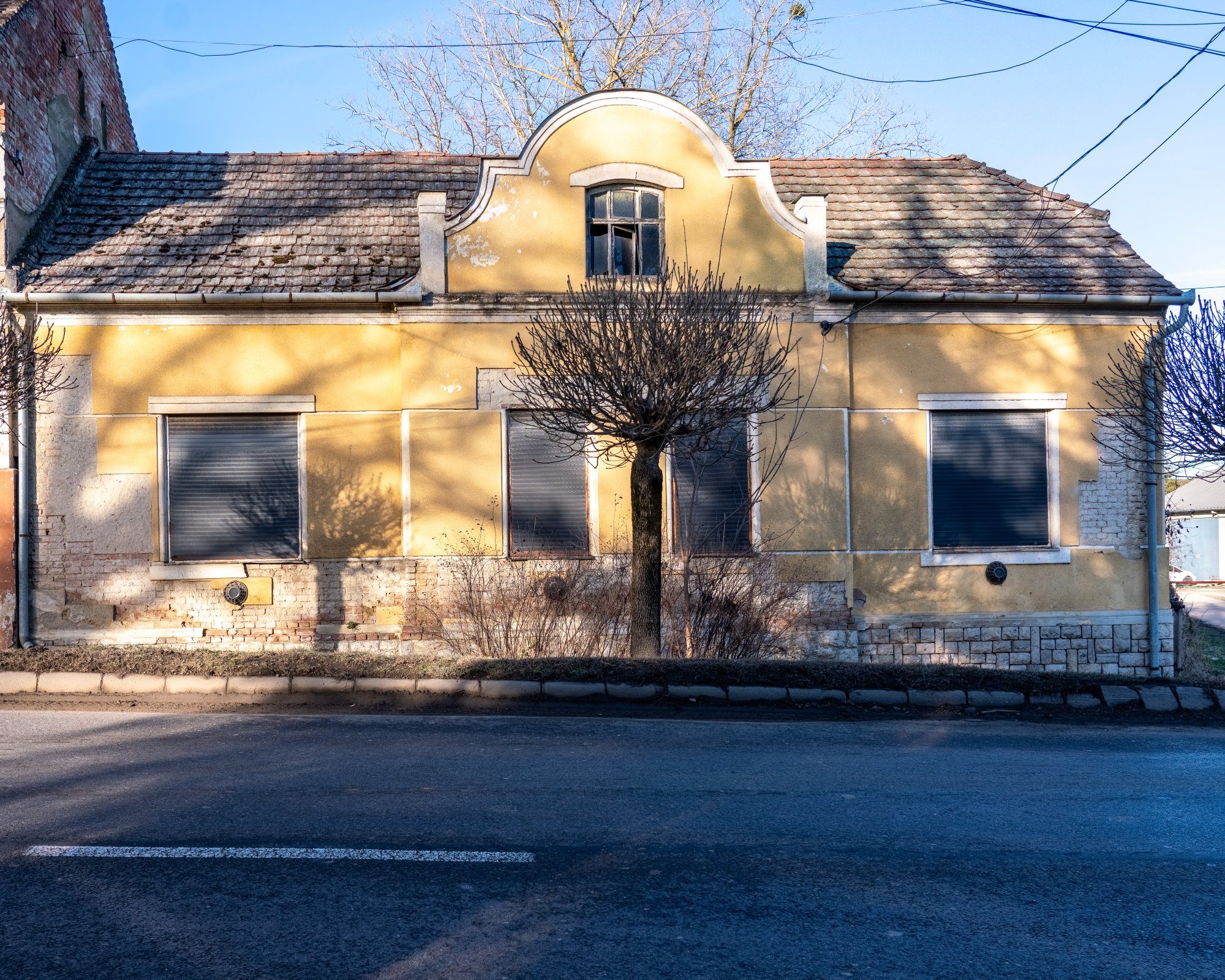
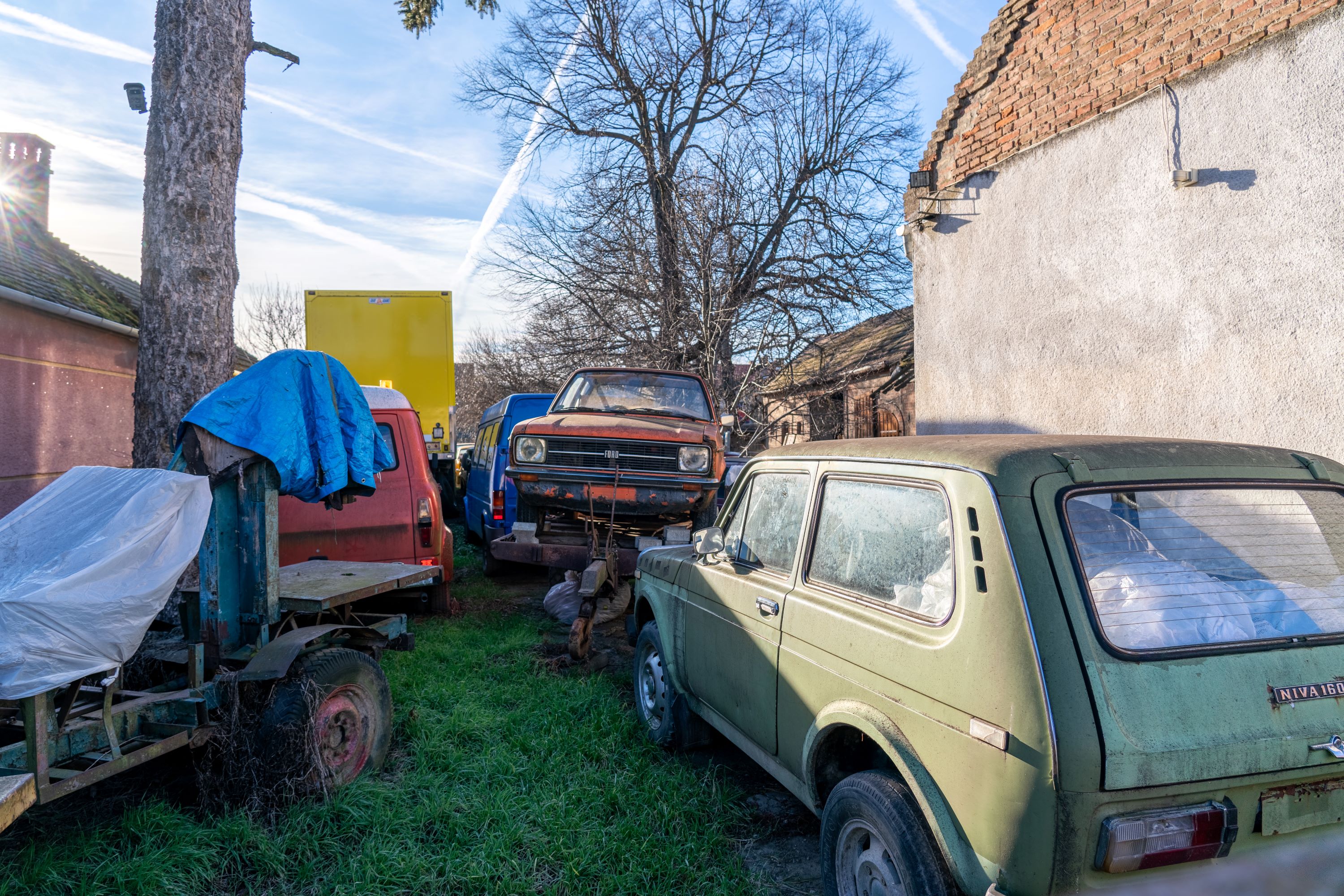
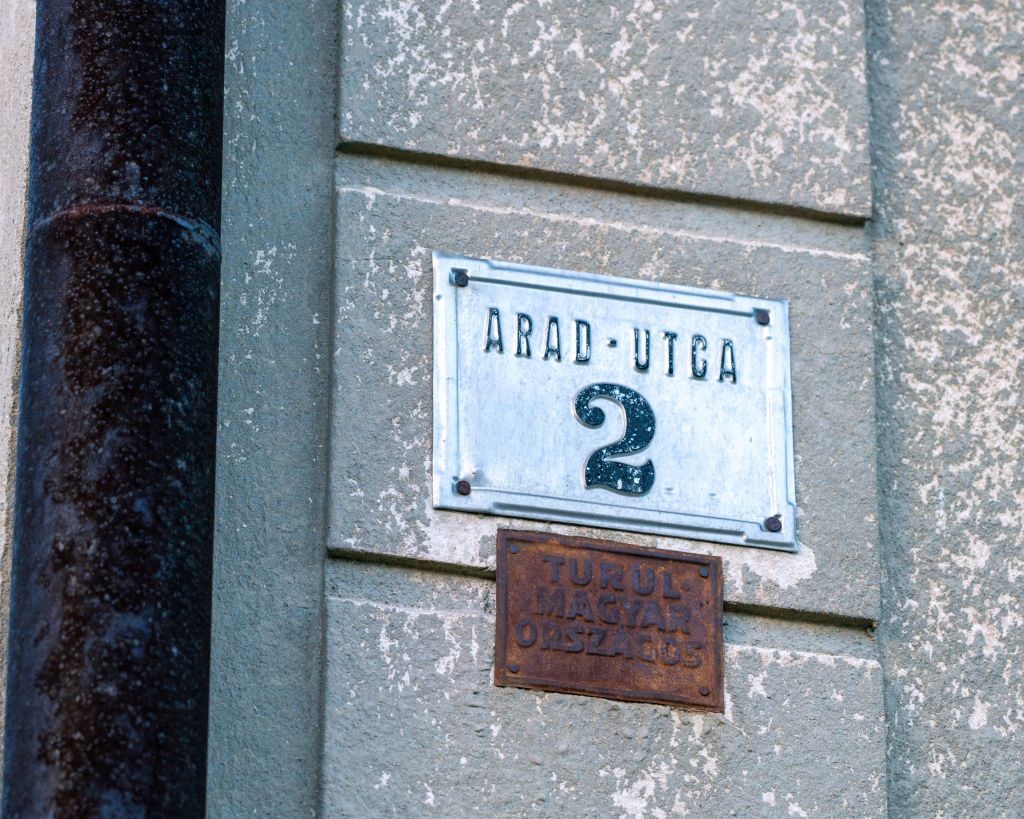
Some more photos I took while walking in the town :



And finally, this is Hörnyék, the formerly independent village that became part of Sásd in 1936 :


 Buildings Tell Tales
Leave a reply to Willie Torres Jr. Cancel reply