
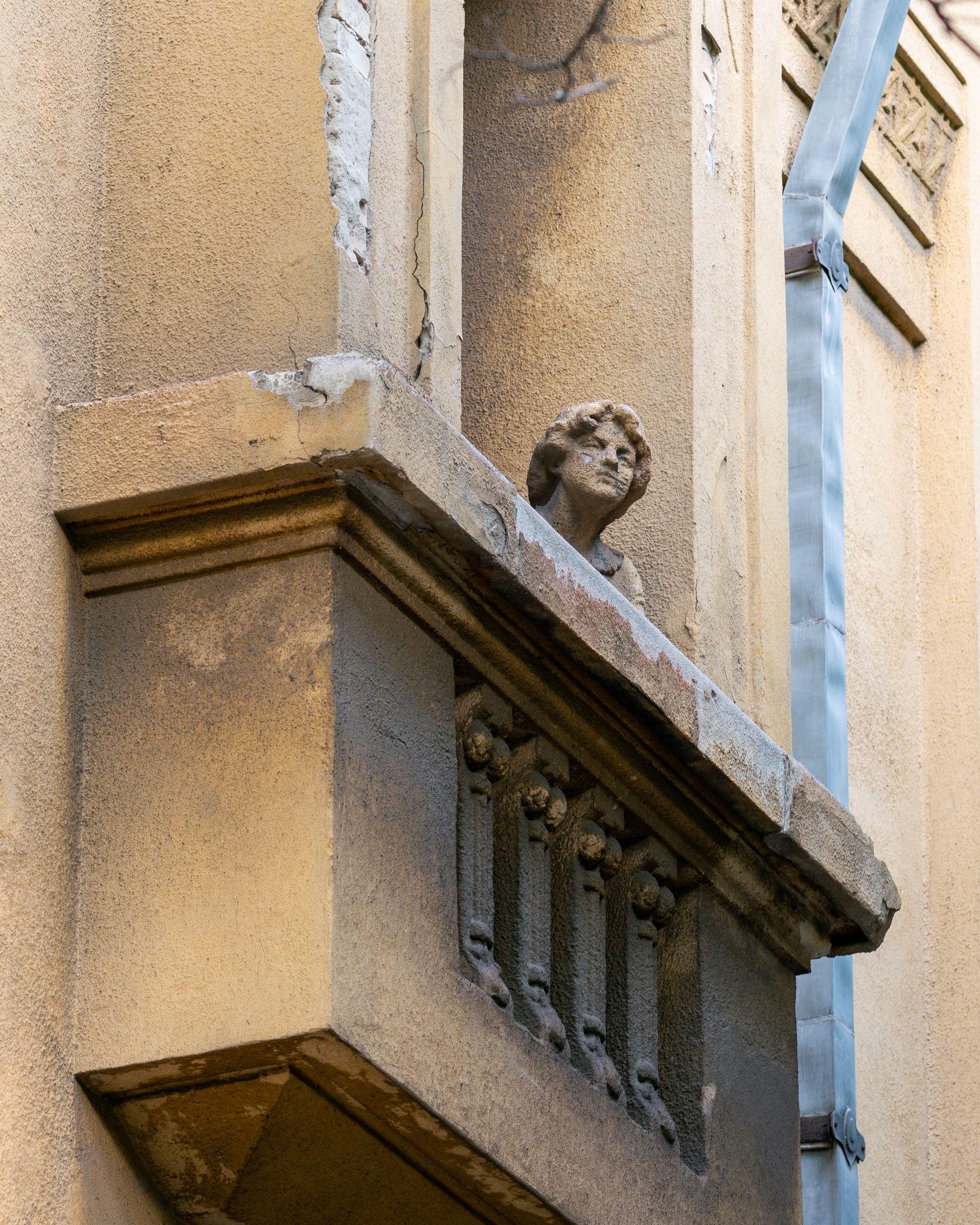
If you have the opportunity to walk along Thököly út in Zugló, Budapest’s 14th district, take a moment to appreciate the grandeur of the facades. Stop at number 61 and observe a balcony without a door, adorned with a captivating statue of a woman gazing down at the street. Since the 1910s, this mysterious figure has been the inspiration for numerous urban legends in Budapest.
One tale, dating back to 1931, portrays the statue as a representation of a heartbroken young lady, who, devastated by her husband’s betrayal, succumbed to sadness. Legend has it that her father crafted the statue as a poignant memorial. Another story, set during World War I, revolves around a woman whose husband, a prisoner of war, never returned. Standing on the balcony daily, hoping for his return, she tragically passed away from grief. According to the legend, her husband returned on the day of her burial, unaware of her demise, leading him to commission the statue in her memory (source for both stories: Magyarország 1931-04-03).
Contrary to these tales, there is no real heartbroken woman behind the statue. The house, a gift from Manó Pápai, owner of a sewing machine factory, to his daughter Iren and her husband, was constructed in 1912. Inspired by statues in France, particularly at the Palais Jacques Coeur in Bourges, architect Lajos Ybl’s son, Ervin, presented the idea to his father. Renowned artist Miklós Ligeti was commissioned to create the statue.
For those intrigued, further exploration of “Thököly út 61” on Google unveils a myriad of legends inspired by this beautiful statue. Yet, beyond the legends, the house harbors more secrets, to be unveiled tomorrow!
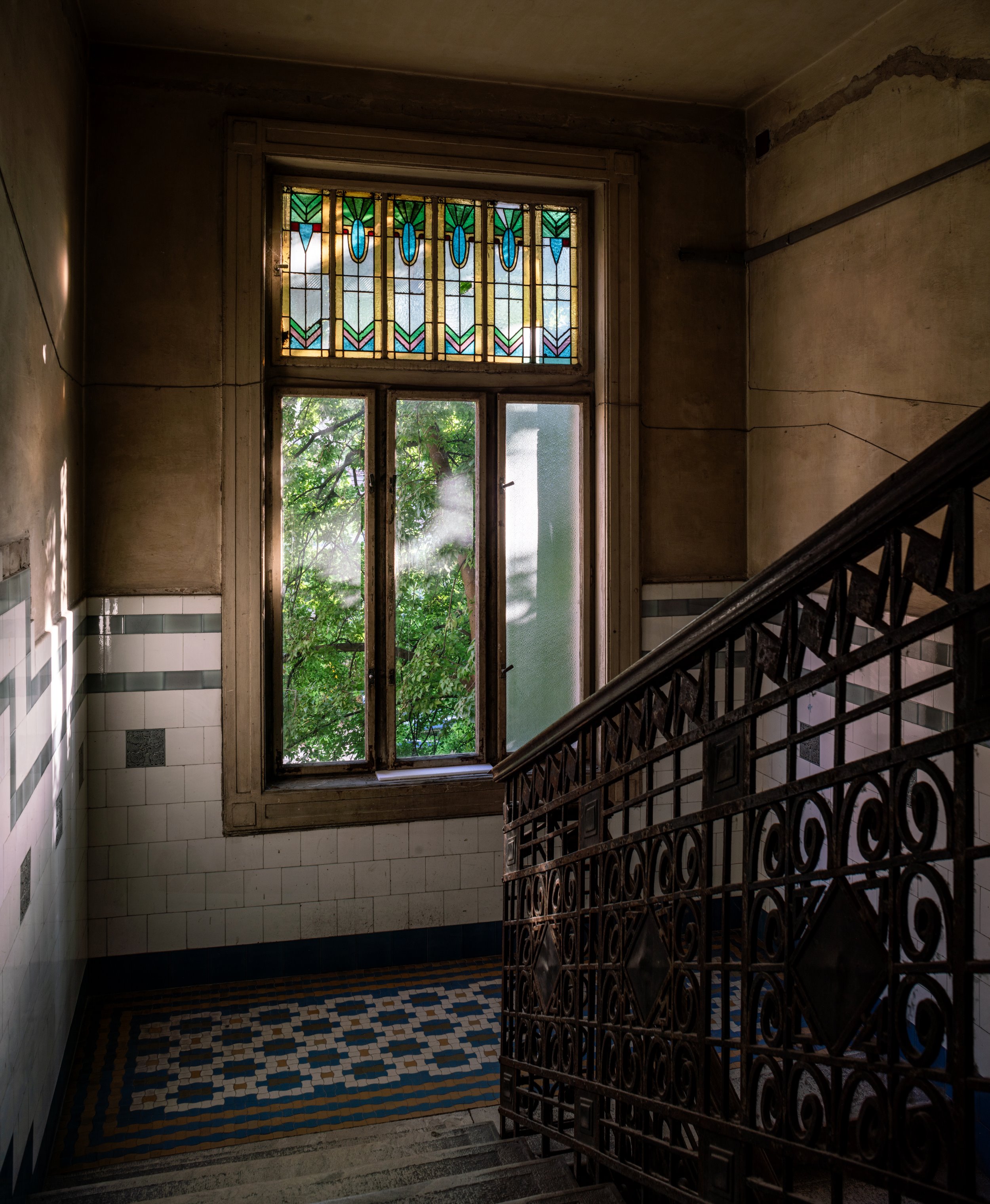
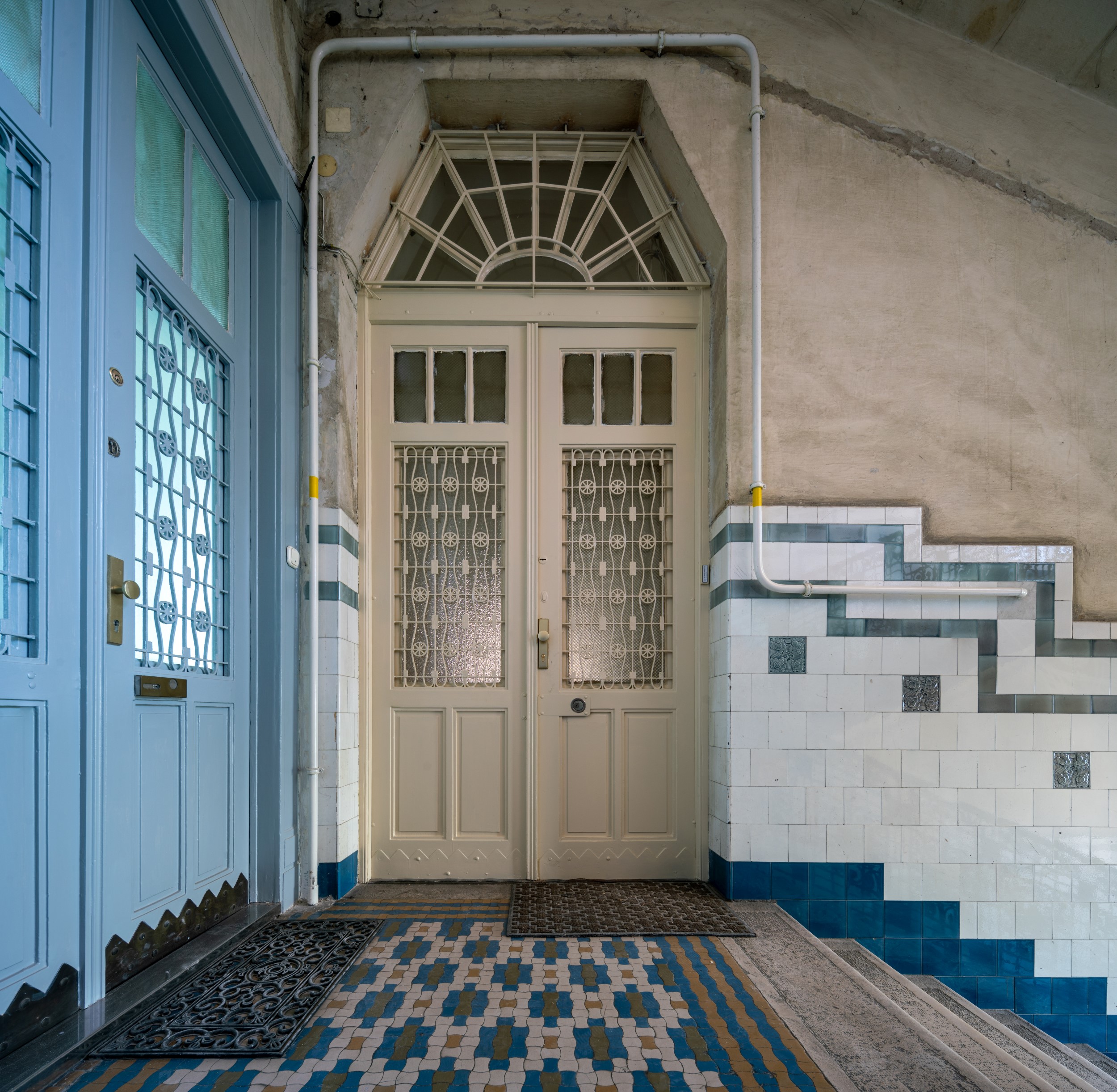
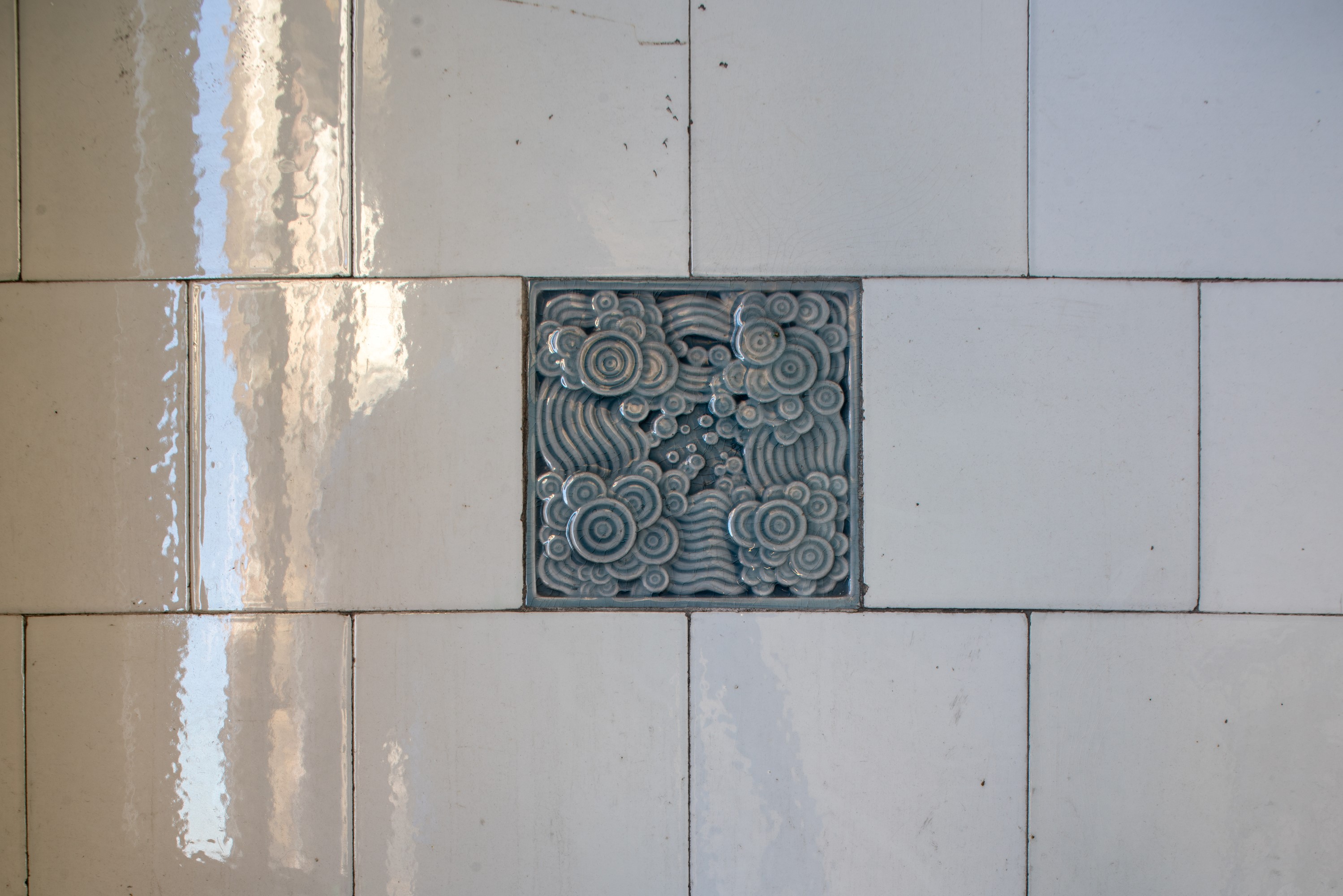
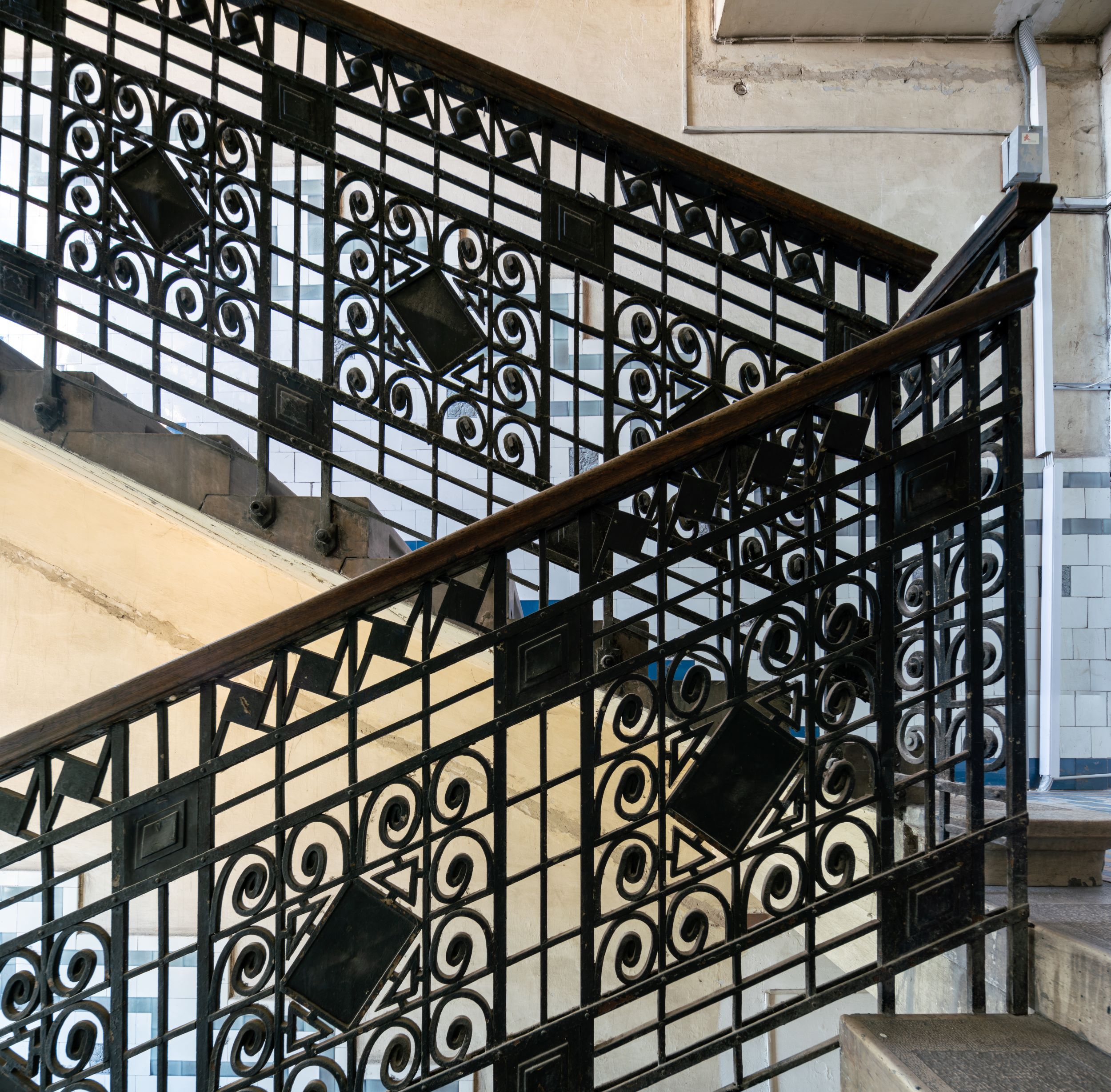
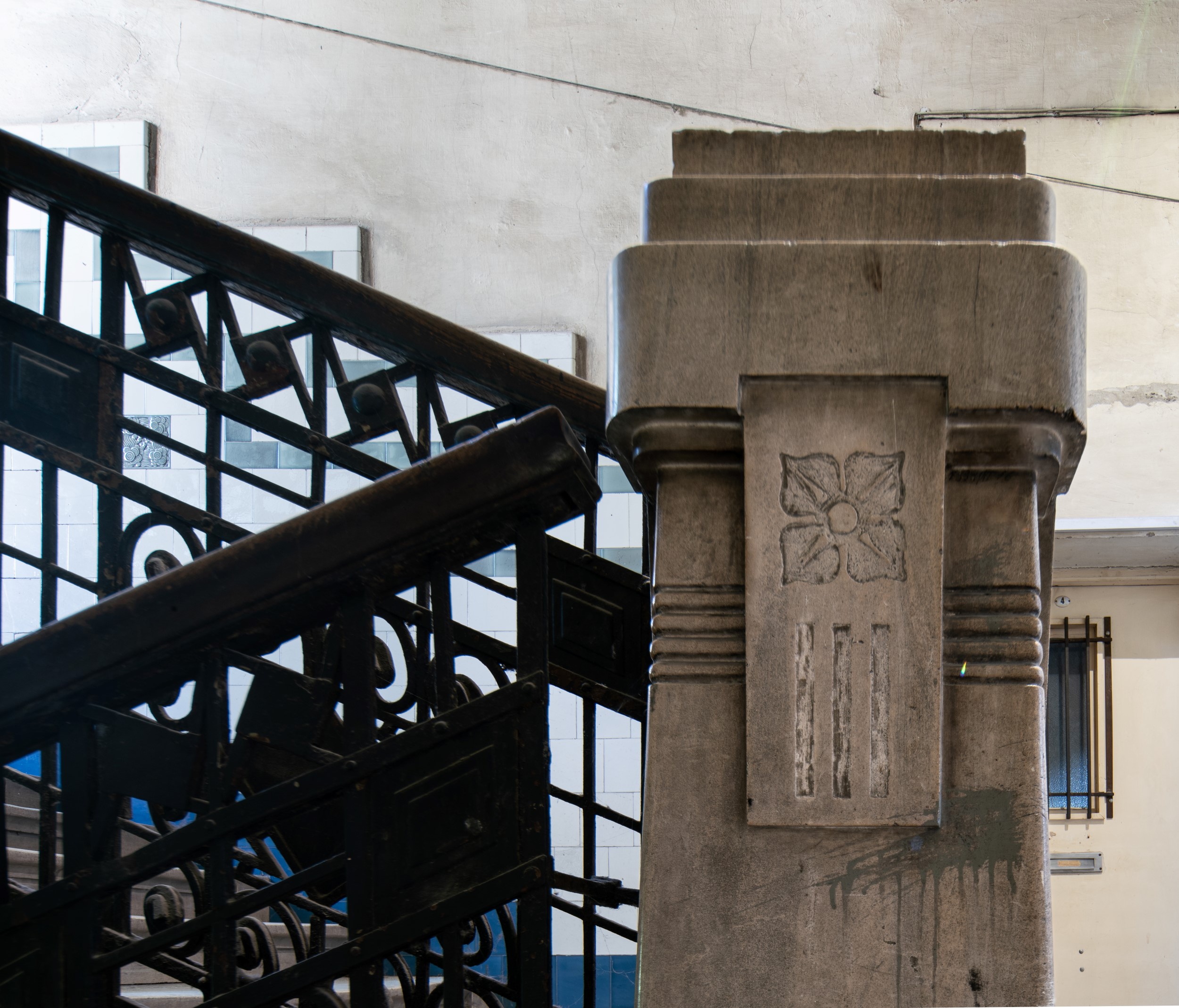
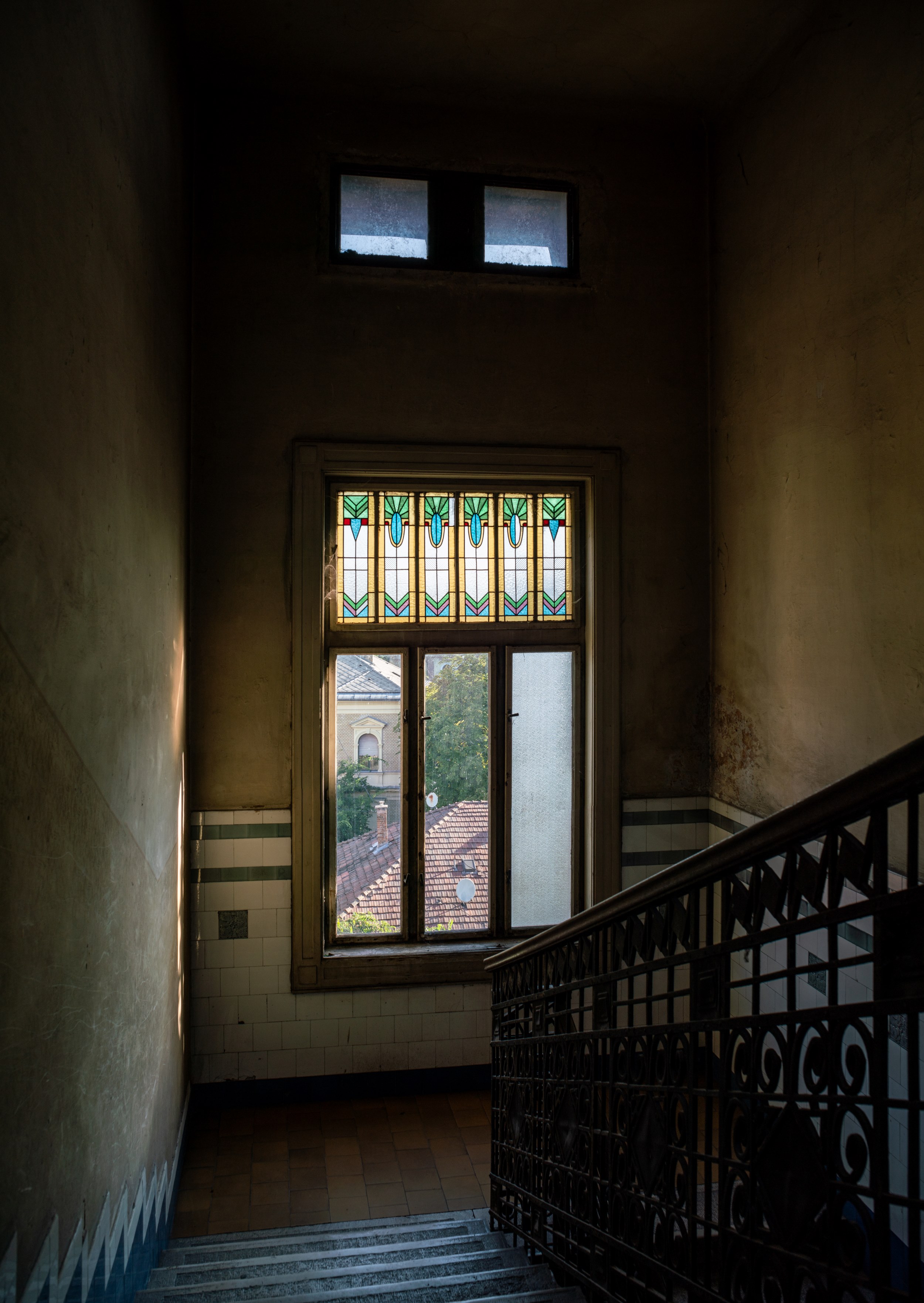
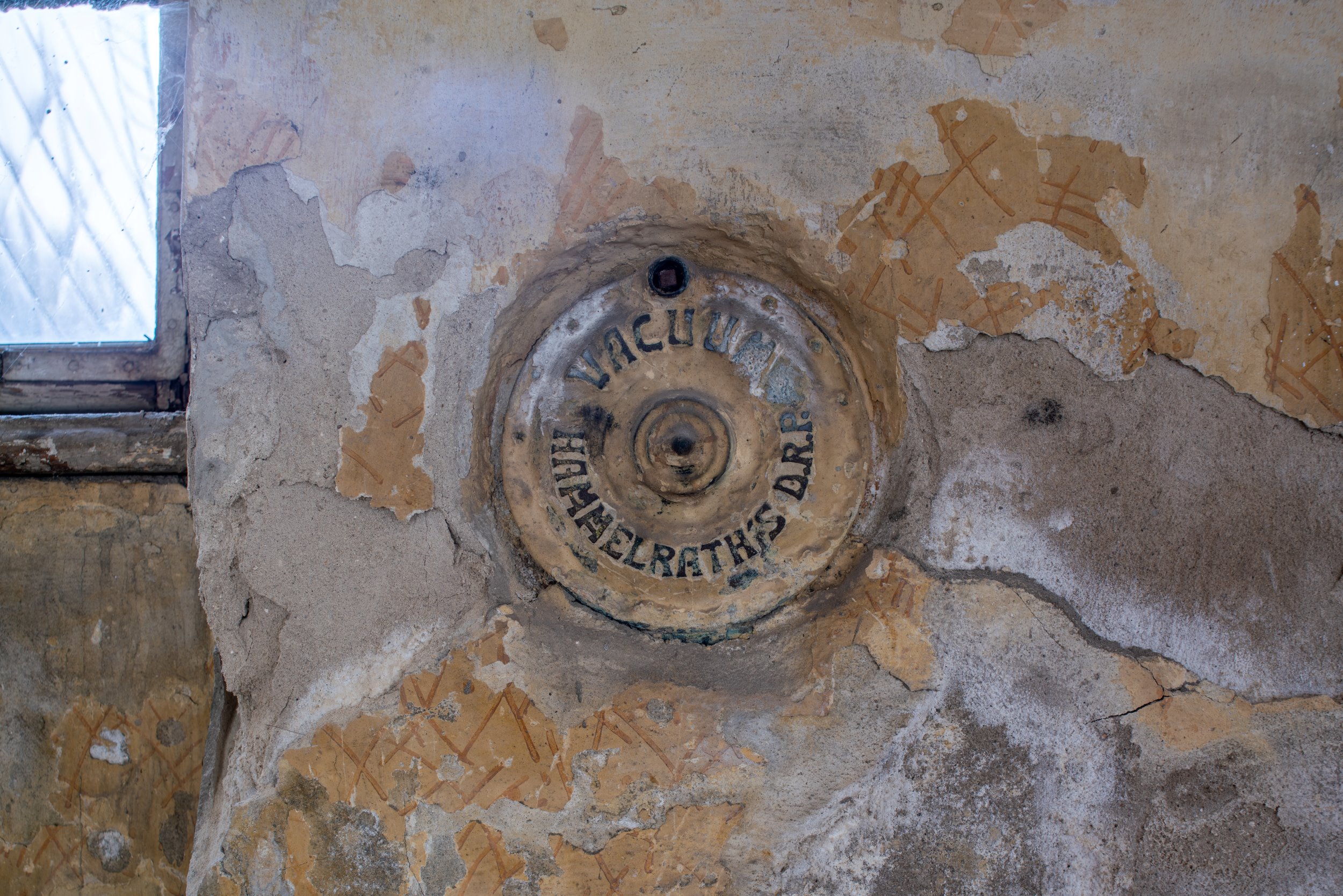
The interior of this villa is equally captivating. On my first visit, I was enthralled by the preservation of numerous original elements from 1912—stained glass, flooring, ironwork, ceramic wall tiles, wooden window frames—all contributing to its timeless beauty.
Manó Pápai, the first owner, was a self-confident businessman, as evident from an advertisement declaring, “As the pope is to the Catholic faith, so is Manó Pápai to all sewing machines.” With his daughter Iren, her husband Jenő Preszler, and their son Elemér, the family moved into the newly built house after Manó’s death in 1922.
The villa, rented out on some floors, attracted notable inhabitants in 1913— Izsó Barkóczi, director of the Melocco Cement-products factory, Ottó Tauber, a wealthy landowner, and architects Gábor Krausz and Gusztáv Stettner, who established their offices here.



 Buildings Tell Tales
Leave a reply to Thököly út 10 : Hungarian Emigrants’ First Steps Toward the United States – Buildings Tell Tales Cancel reply