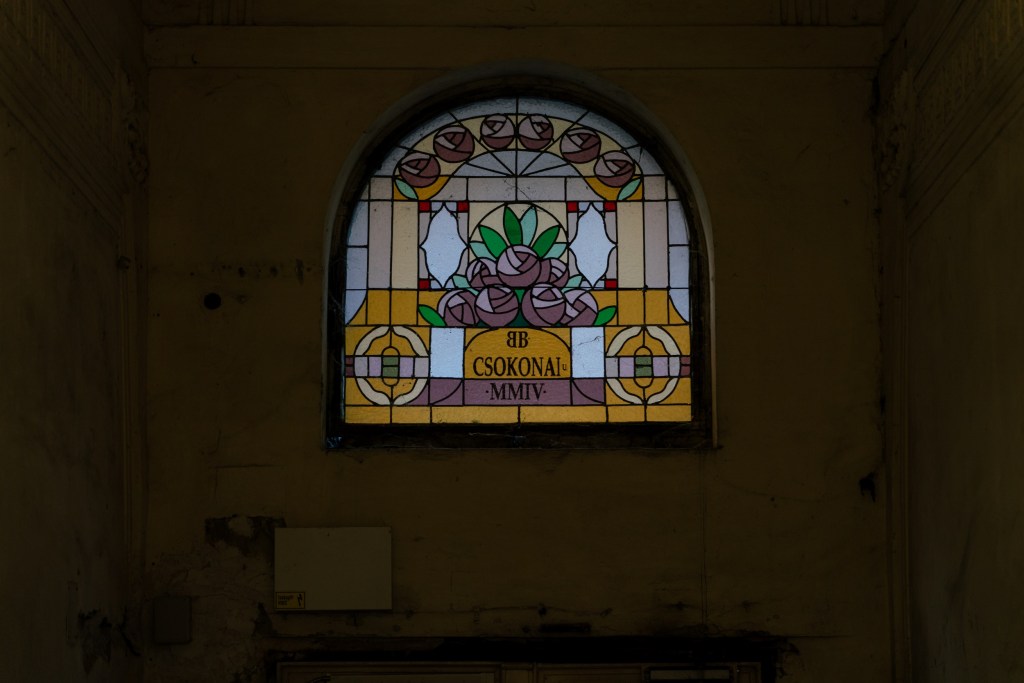
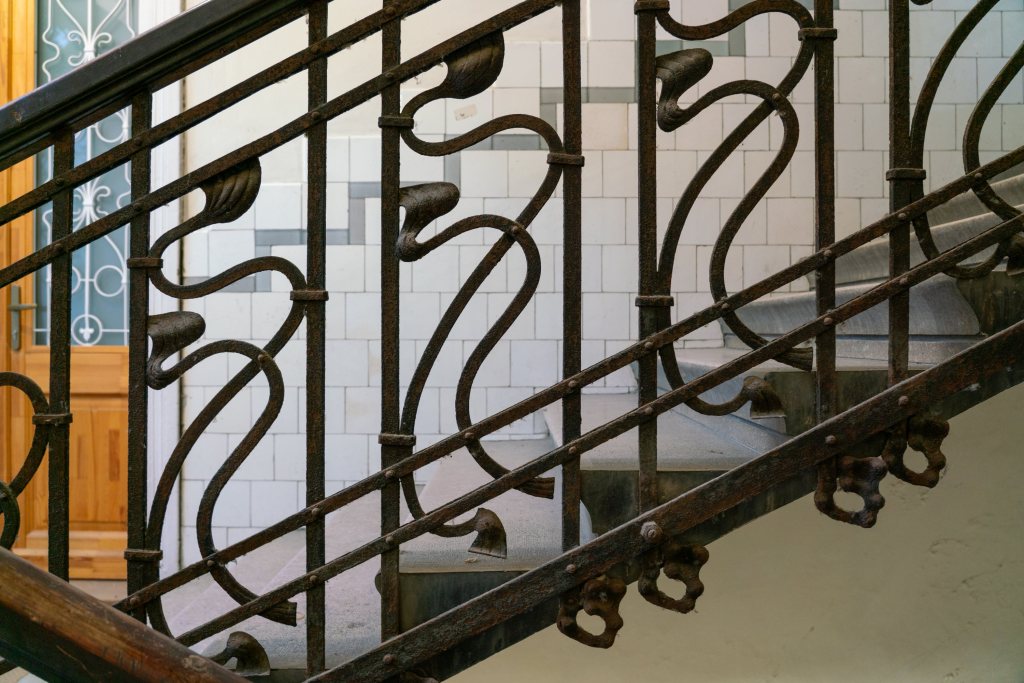
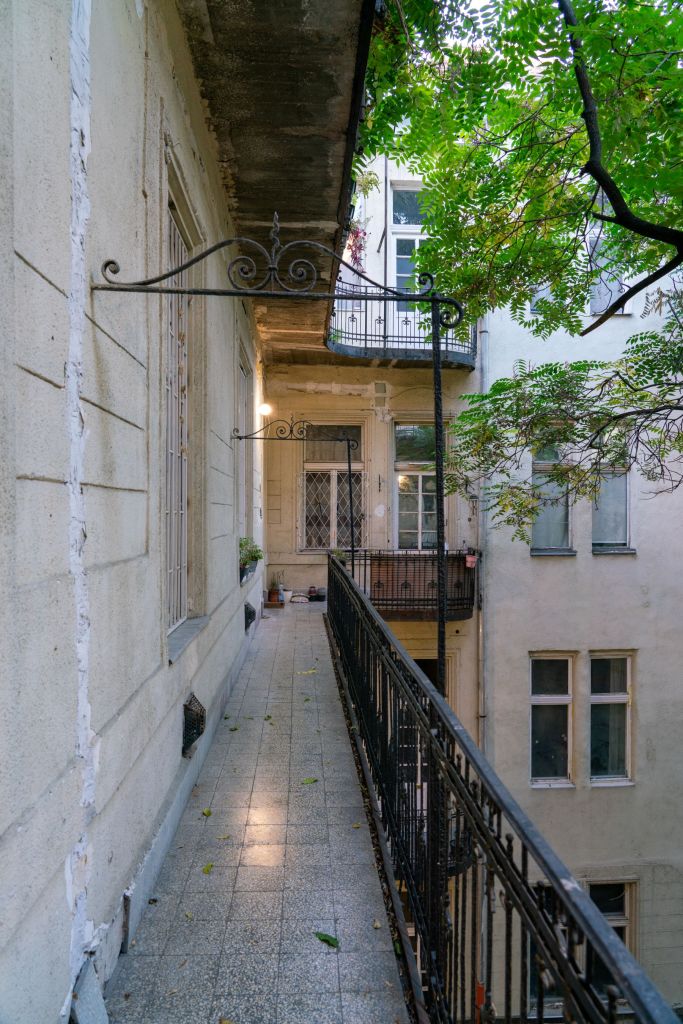
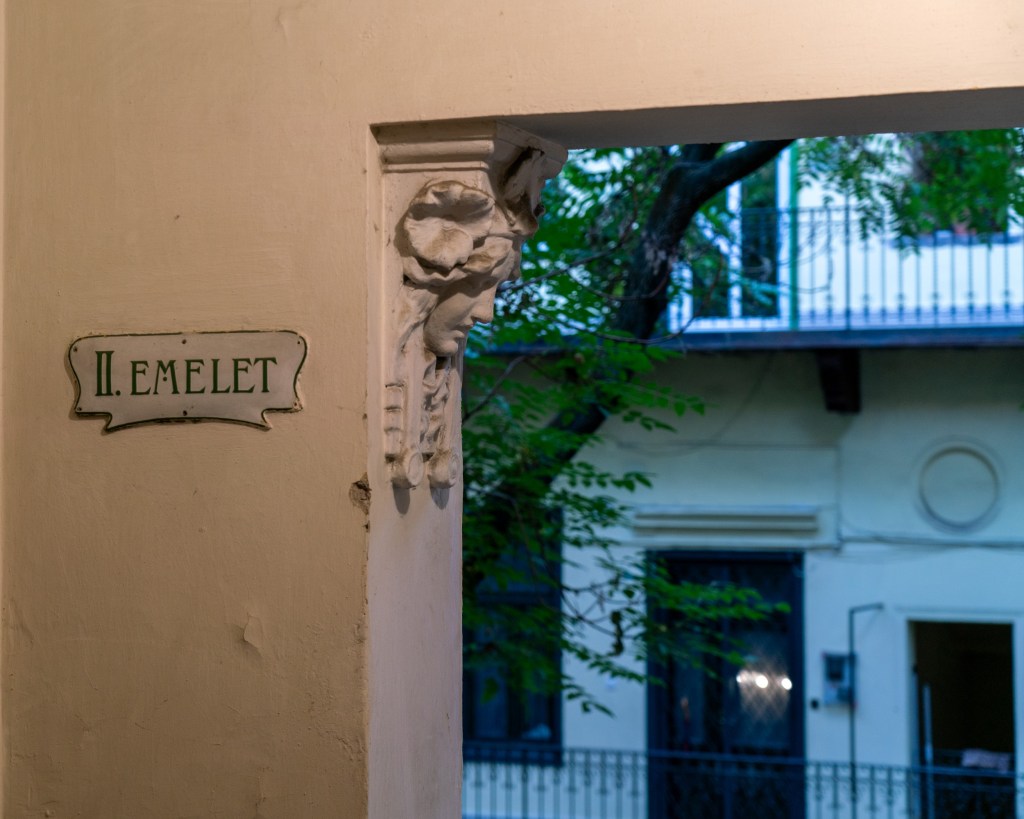
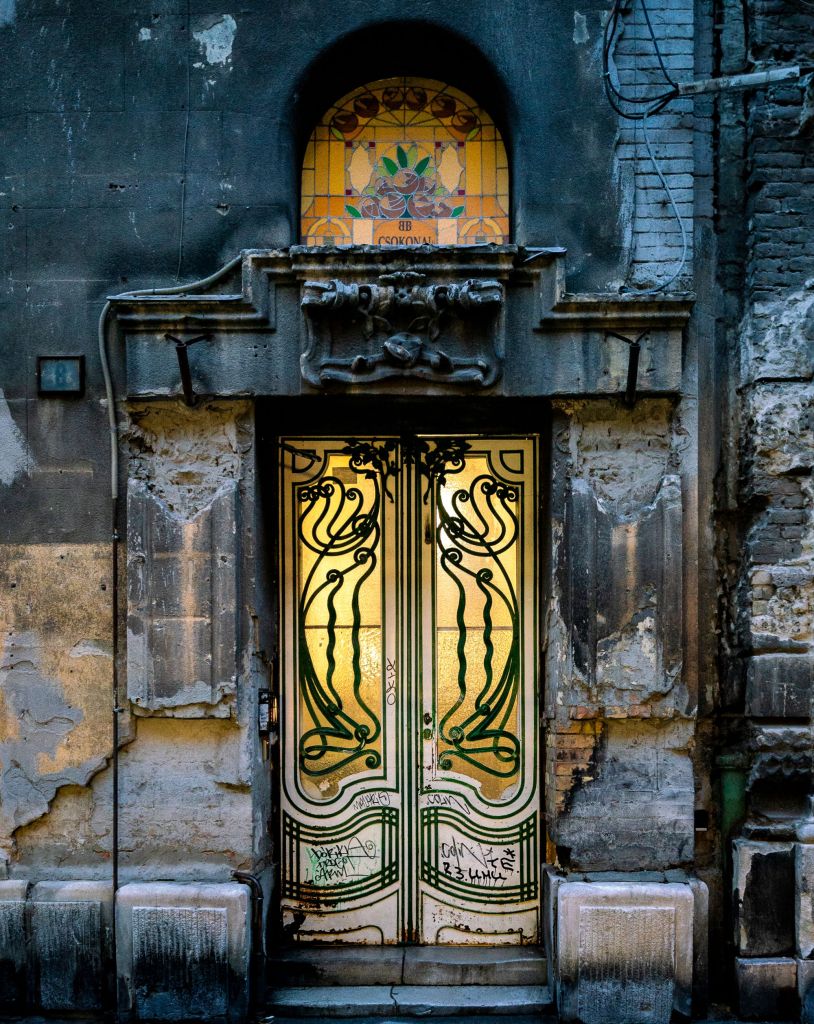
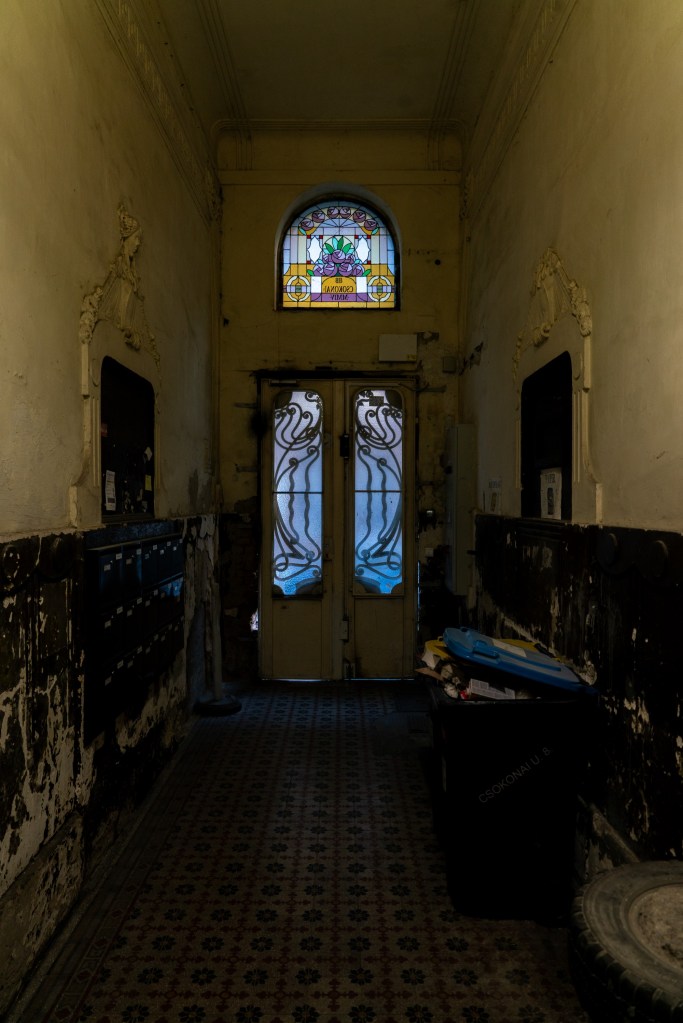
Csokonai utca 8: my favourite Art Nouveau door in Budapest

I wanted to peek behind the door of Csokonai utca 8 for a while. This Art Nouveau apartment house from the early 1900s was designed by Gyula Fodor.

Researching the history of this house gave me a glimpse into the history of beekeeping in Hungary. In 1938, Csokonai utca 8 found new owners – the National Hungarian Beekeeping Association (OMME – Országos Magyar Méhészeti Egyesület), a champion of beekeepers since 1879. Back then, it stood for 9,000 members and 100 local associations.


This building became a hub for beekeeping activities. The association offered beekeeping classes and even cooking courses that highlighted the use of honey. Today, OMEE is still around, though they’ve moved to the 9th district. They represent the interests of about 15,000 beekeepers in Hungary.


If you love honey and live in Europe, it is highly probable that you have already enjoyed Hungarian honey. Indeed, Hungary is the largest honey exporter within the EU, shipping nearly 20,000 tonnes to other member countries each year.
3 responses to “Csokonai utca 8: my favourite Art Nouveau door in Budapest”

  1. […] favorite Hungarian architects, Gyula Fodor, who designed many amazing buildings in Budapest such as Csokonai utca 8, Hajós utca 25, Dózsa György út 64 or Baross utca 11. The house was completed in 1912, and […]

    Like

  2. […] for his Art Nouveau building. Gyula Fodor,designed many amazing buildings in Budapest such as Csokonai utca 8, Hajós utca 25, Dózsa György út 64, or Baross utca 11, Falk Miksa 13. According to what I have […]

    Like

  3. […] Hungarian architects, and I have already posted about some of his other buildings: Rózsa utca 29, Csokonai utca 8, and Falk Miksa utca […]

    Like

Leave a reply to Rózsa utca 29 : The Poet who Wanted to Die – Buildings Tell Tales Cancel reply

I have launched Buildings Tell Tales in 2019, and since then visited and photographed over 1000 old buildings in Budapest. My goal is not only to take photos but to uncover the interesting stories hidden behind the old walls. By linking the stories of ordinary people such as workers, students, merchants, and domestic workers to specific places, I want to make the past tangible. Old buildings should be preserved not only for their aesthetic value but also for the memories they hold and the stories they tell. If you’re interested in learning more about me, you can read additional details on this page.

← Back

Thank you for your response. ✨