
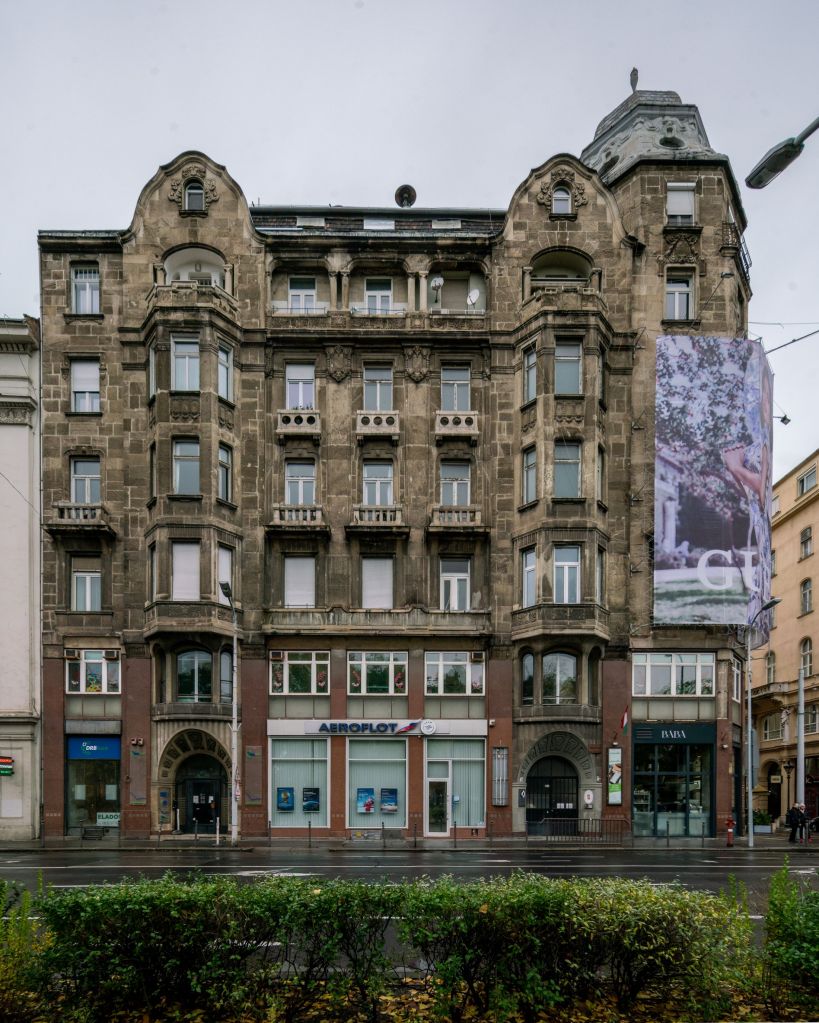
This building was constructed for Antal Mocsonyi in 1910 based on the plans of Károly Rainer. Interestingly, Antal Mocsonyi decided to launch an architectural design contest in 1907 to select the architect in charge of designing his apartment house. This marked the first instance in Budapest where this method was employed to choose the architect for a private apartment building. It was well-received by newspapers, which praised Mocsonyi’s example, suggesting that other building owners should follow suit.
In 1910, the renowned portrait photographer Miklós Labori opened his atelier in this building, capturing thousands of photos until 1943. Labori also operated a studio in Nice, establishing himself as a well-known portrait photographer in the French Riviera.
In 1988, the first Levi’s Store where customers could pay with Forint opened here (another store had opened earlier in Sopron, but customers could only pay with foreign currencies). This was significant at the time, as Levi’s jeans represented a powerful symbol of freedom and rebellion in communist Hungary.
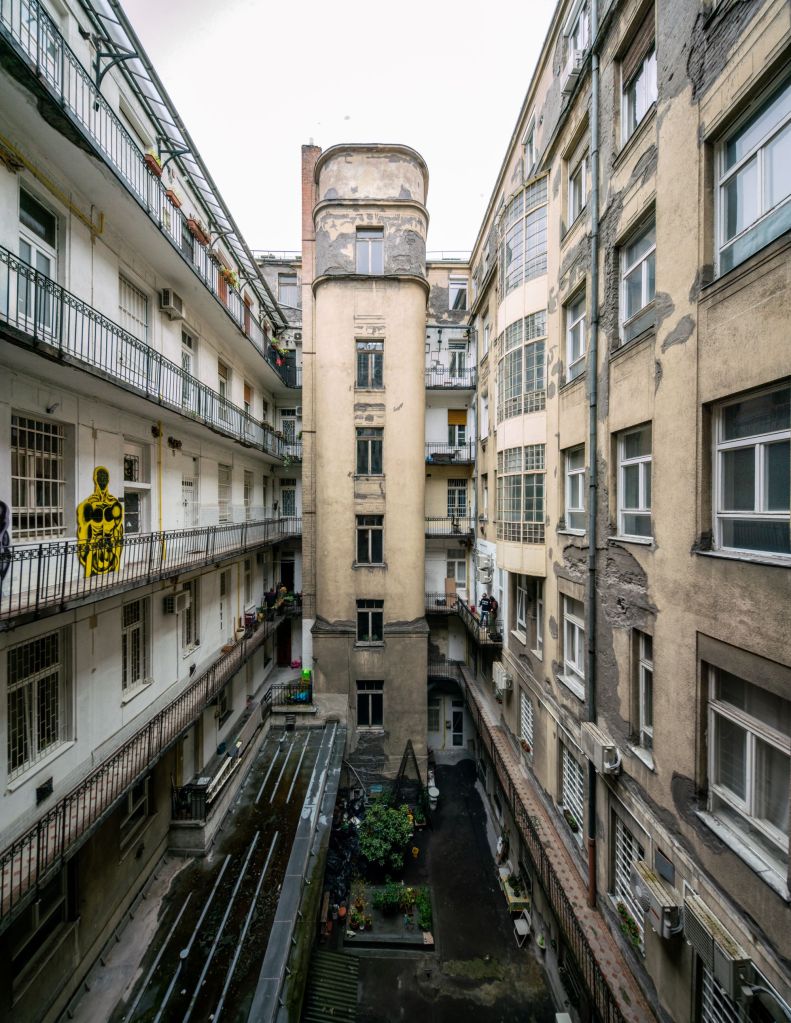
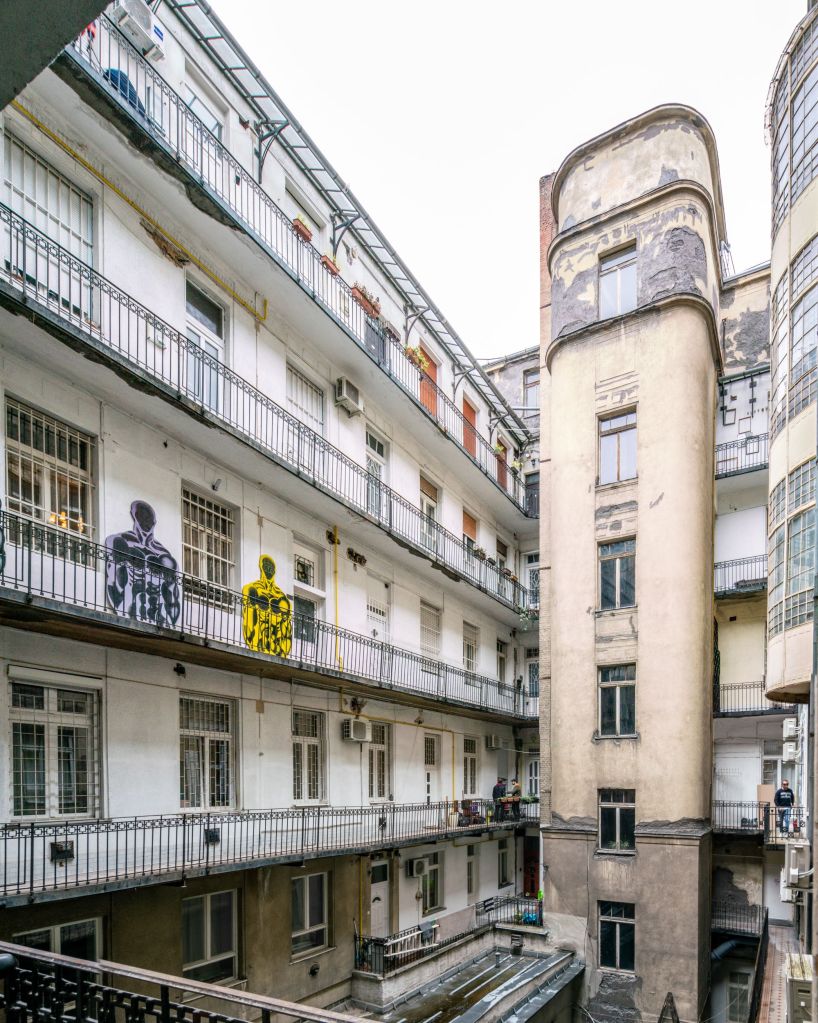
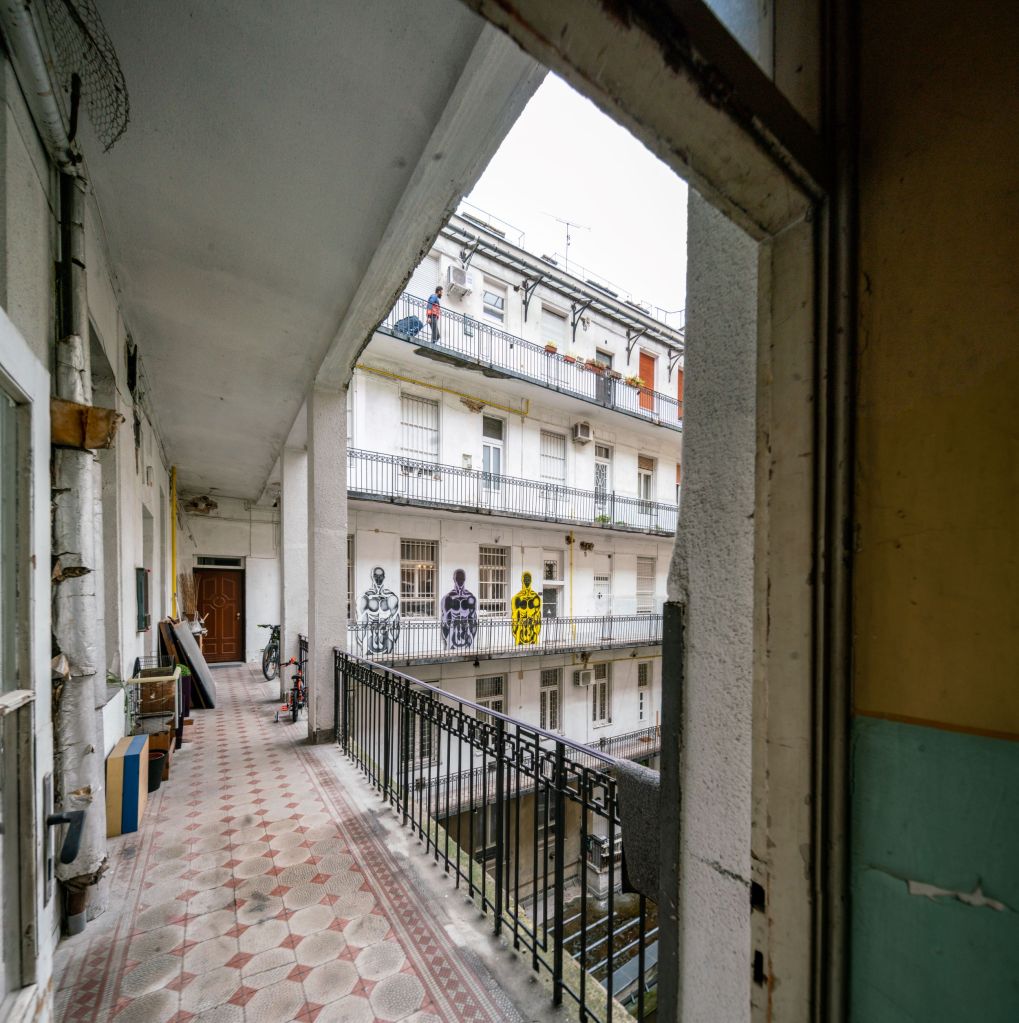
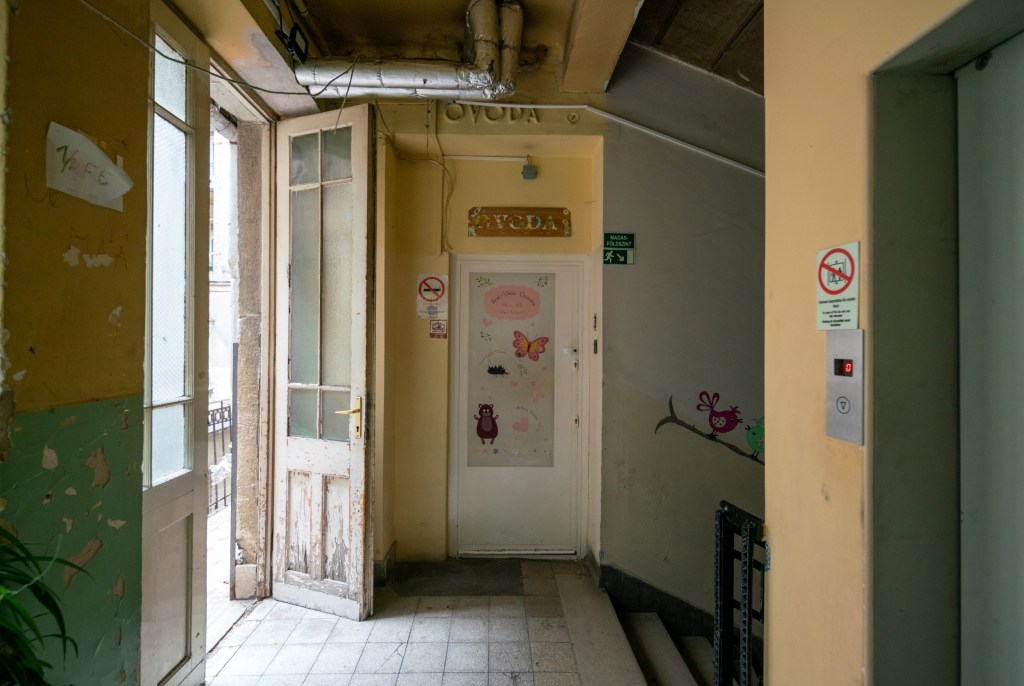
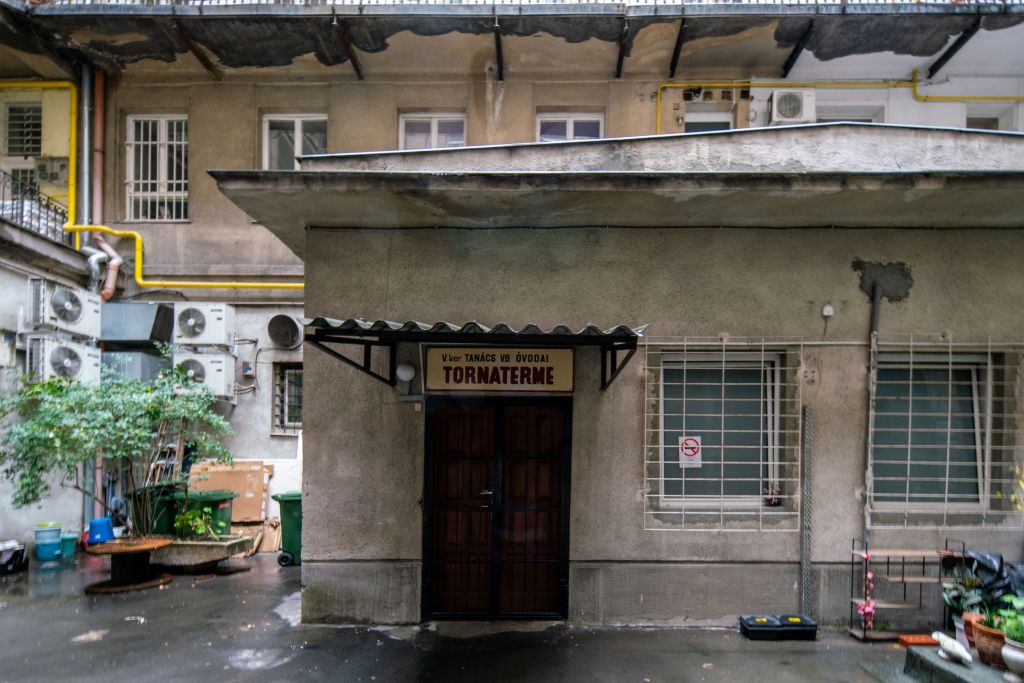
Interestingly, a kindergarten that opened in the late 1940s is situated on the first floor. The children have access to a small gym hall located in the courtyard of the building.


Leave a Reply