
Budapest
-
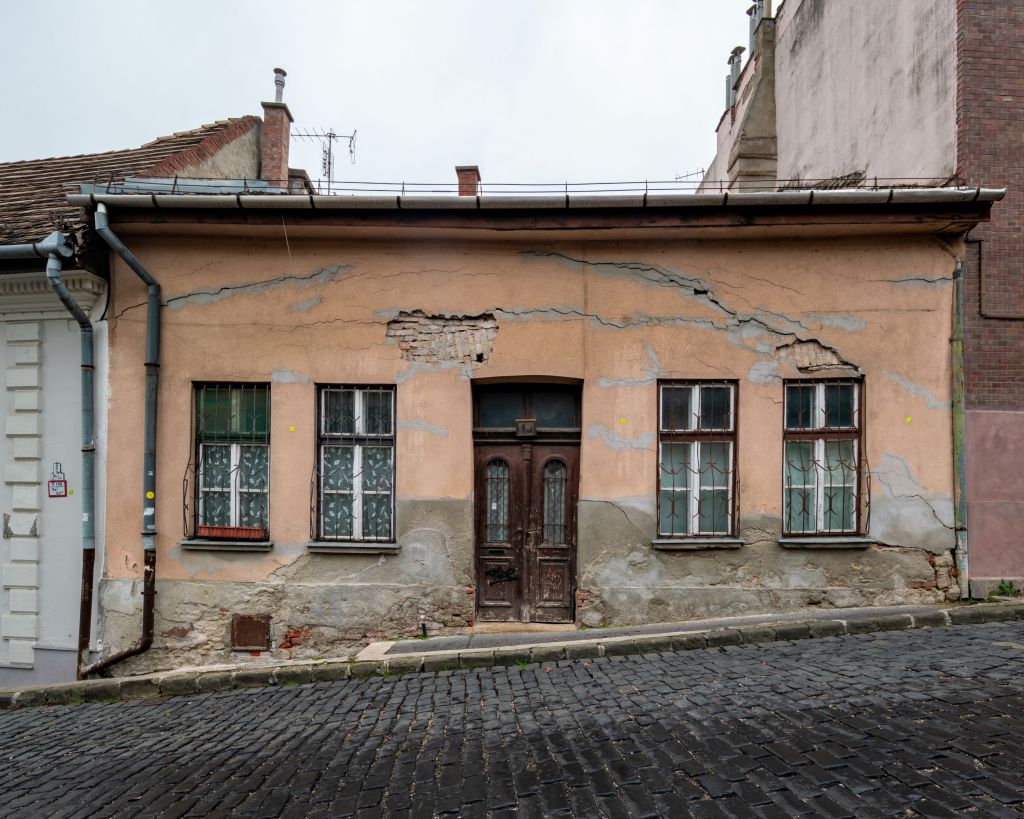
Donáti utca 15 – Abandoned Old House on the Castle Hill
If you visit Castle Hill (Várhegy) in Buda, you’ll notice construction cranes busy rebuilding structures damaged during the war. The area has undergone significant changes. I lived on Úri utca in 2013-14, and some buildings I saw daily were demolished. Bullet-ridden facades were repaired, erasing signs of past conflicts. Yet, a few old houses remain…
-

Budafoki út 20
Budafoki út 20 is a building, constructed in the early 1910s. Unfortunately, the architect is unknown. The Lechner Knowledge Center – Lechner Tudásközpont – has conducted intriguing research on the history of this building, and I have written the following based on a text I found on their website: In the later years of his…
-

The Abandoned Sanatorium of Benczúr Utca
This deteriorating building, located at Benczúr utca 4 in the 6th district of Budapest, was designed by Géza Markus, known for creating the Art Nouveau “Cifrapalota” in Kecskemét and the Schöpf-Merei hospital (which is also currently abandoned) in the 9th district of Budapest. Despite being the work of a famous architect, there is very little…
-
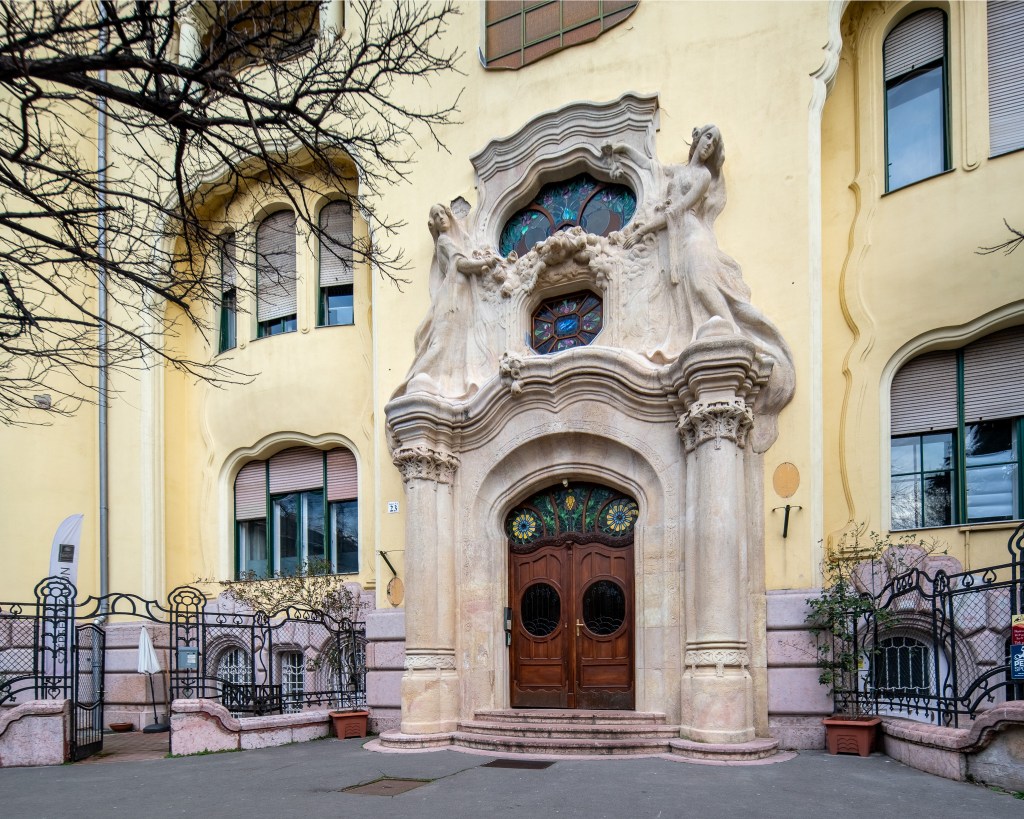
The Rebirth of an Art Nouveau Gem in Budapest
On the afternoon of February 21, 2024, I visited Munkácsy Mihály utca 23 to capture some photos of the beautiful entrance of this Art Nouveau house. As soon as I set up my tripod and camera, a very kind man approached and invited me to take a look inside the house. It’s a building I’ve…
-
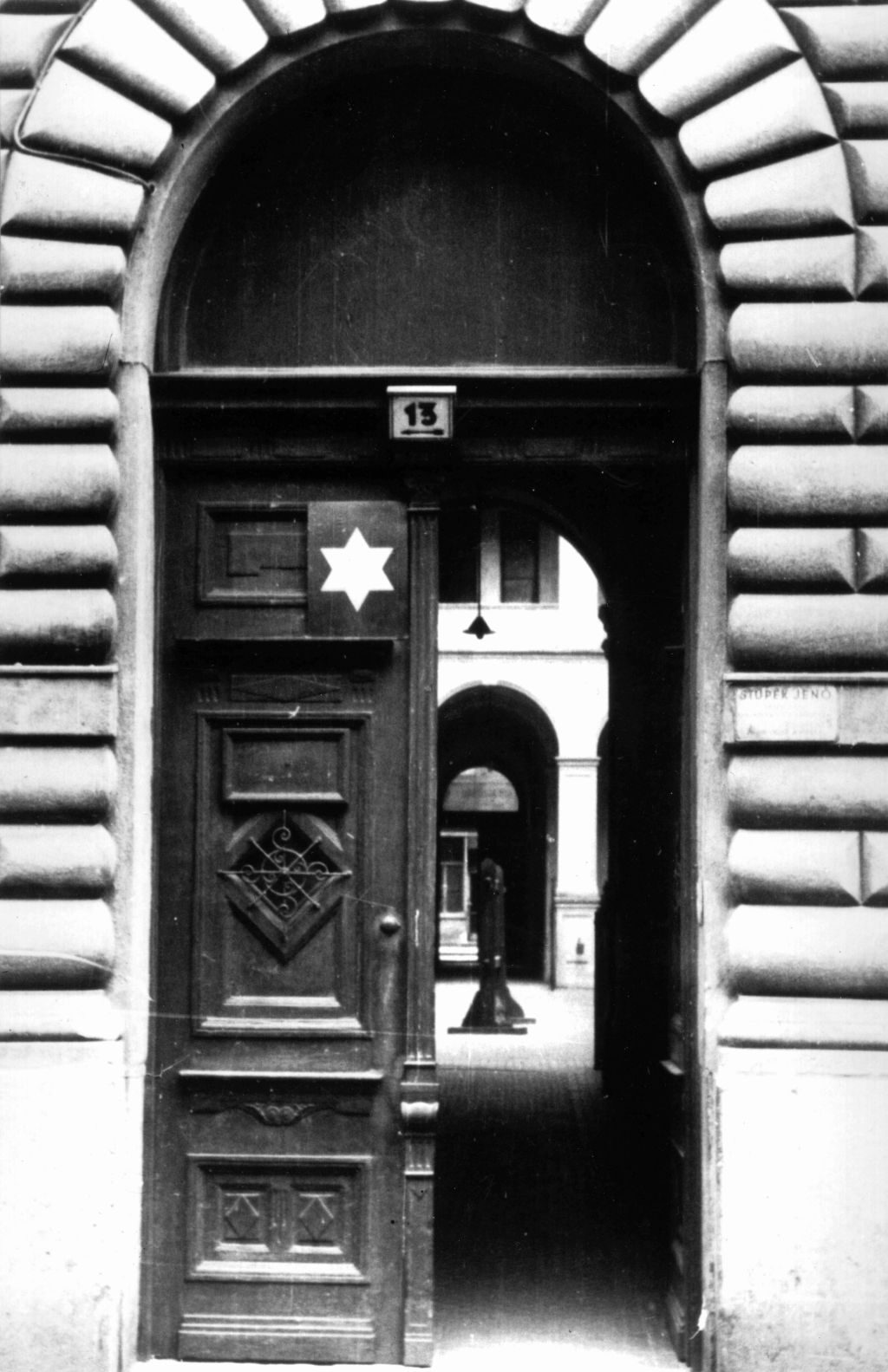
The Jews of Budapest During the Holocaust : Yellow-Star Houses
Between June and November 1944, the 1,944 compulsory places of residence for Jews in Budapest were designated, from where they were either sent to the ghetto or to “protected houses.” This network of yellow-star houses comprised almost 1,950 designated compulsory places of residence for approximately 220,000 Budapest Jews from June 21, 1944, until late November…
 Buildings Tell Tales