
Architecture
-
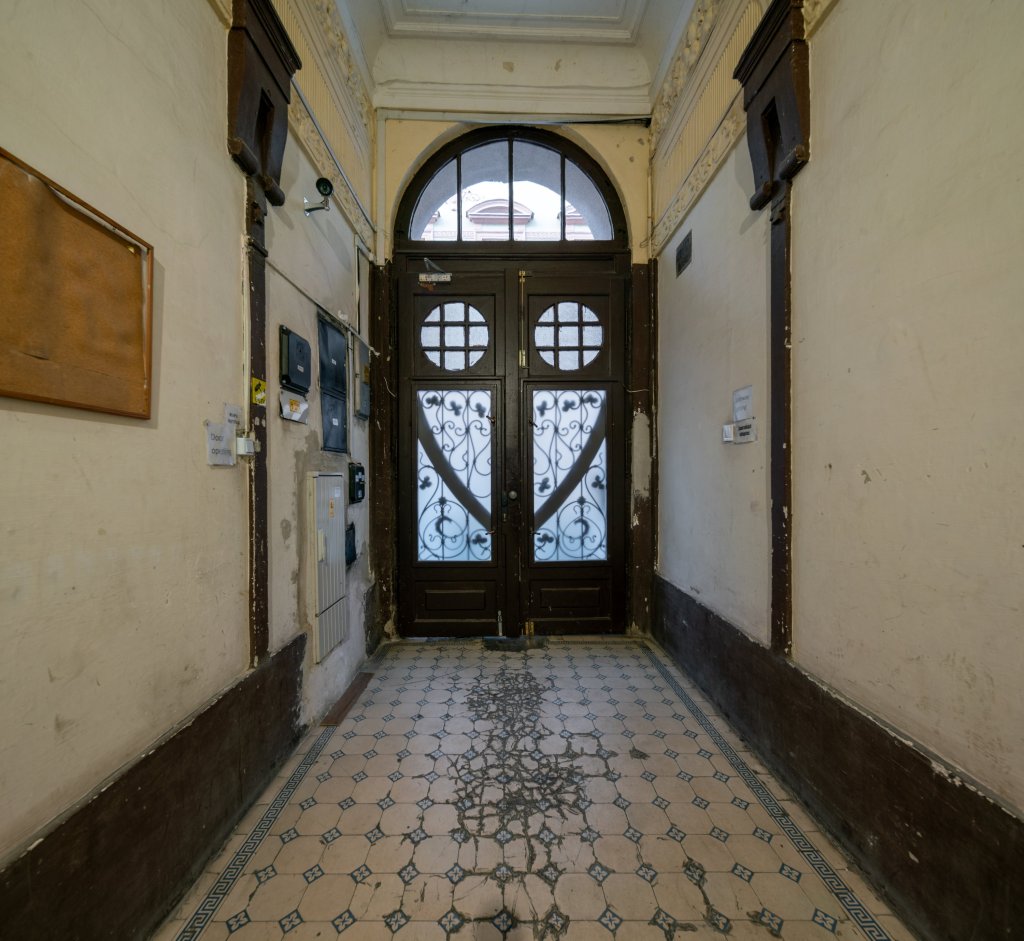
Hajós utca 31: From Coffee Aromas to Tragic Falls
Situated near the Opera, Hajós utca 31 is an apartment house built in 1905, its architect remaining unknown. In the early 1910s, the pleasant aroma of coffee likely filled the building, emanating from a coffee shop owned by István Ambrus. On January 6, 1910, the National Israelite Patronage Association (Országos Izraelita Patronage Egyesület) was established,…
-

An Art Deco Gem in the 8th District of Budapest
Nestled in Futó utca, a small street in Józsefváros, the 8th district of Budapest, lies one of the most exquisite examples of art deco architecture. Constructed between 1929 and 1930, this building was envisioned by Aladár Halász, who, upon its completion, moved into one of the flats with his family. In the early 2000s, the…
-
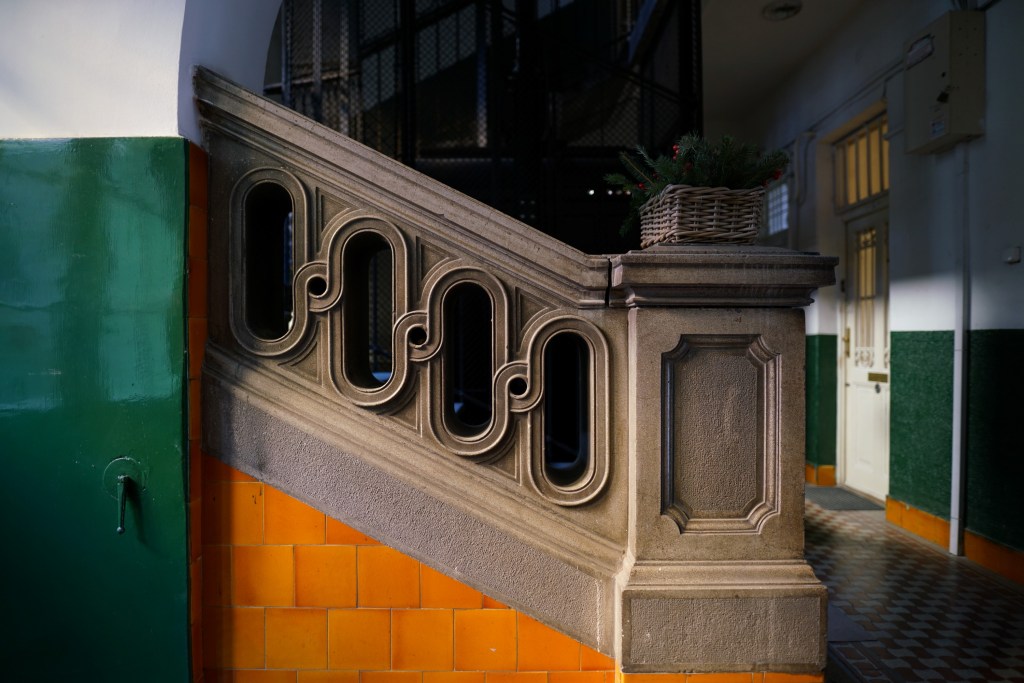
Attila út 87: Count Domonkos Teleki’s home in Budapest
This building was designed by architect Károly Möller and constructed in 1929 for Count Domokos Teleki. Situated on Attila út in Budapest’s 1st district, it holds historical significance. The Teleki family, belonging to the highest aristocracy in Transylvania and Hungary, had their main residence in the castle of Gernyeszeg (now Gorneşti in Romania). Unfortunately, the…
-

Bécsikapu tér 8 : Eszterházy-house
Back in March-April 2022, I had the chance to explore the majority of residential buildings on Castle Hill in Budapest. One of my favorites is the “Eszterházy-ház,” situated on Bécsikapu tér. Constructed in the 18th century, this building has undergone several modifications over the years. Much like many structures in the Castle District, it suffered…
-

Pálya utca 15 : Traces of War from 1945
The old walls of Pálya utca 15 in Budapest’s 1st district hold memories of intense battles in 1945, with a huge number of bullet holes. I visited this site multiple times and took the photos I’m sharing with you just yesterday. Luckily, I found articles detailing the historical events linked to this house. It’s essential…
-
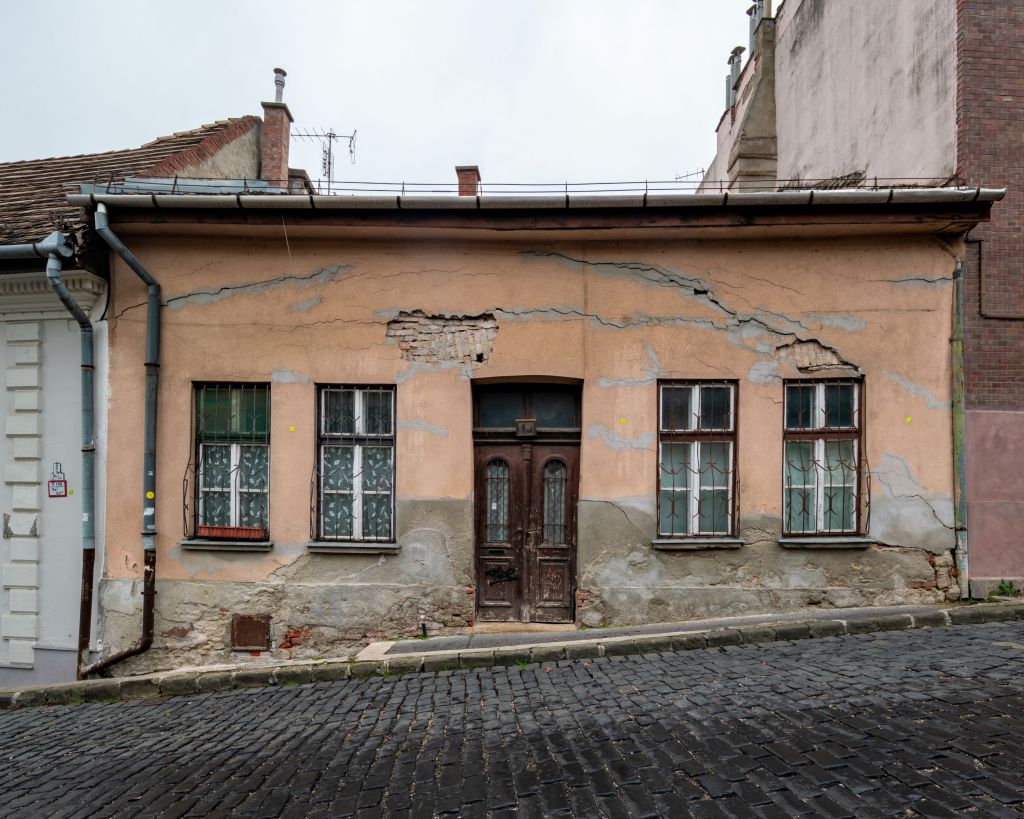
Donáti utca 15 – Abandoned Old House on the Castle Hill
If you visit Castle Hill (Várhegy) in Buda, you’ll notice construction cranes busy rebuilding structures damaged during the war. The area has undergone significant changes. I lived on Úri utca in 2013-14, and some buildings I saw daily were demolished. Bullet-ridden facades were repaired, erasing signs of past conflicts. Yet, a few old houses remain…
-

Budafoki út 20
Budafoki út 20 is a building, constructed in the early 1910s. Unfortunately, the architect is unknown. The Lechner Knowledge Center – Lechner Tudásközpont – has conducted intriguing research on the history of this building, and I have written the following based on a text I found on their website: In the later years of his…
-

The Abandoned Sanatorium of Benczúr Utca
This deteriorating building, located at Benczúr utca 4 in the 6th district of Budapest, was designed by Géza Markus, known for creating the Art Nouveau “Cifrapalota” in Kecskemét and the Schöpf-Merei hospital (which is also currently abandoned) in the 9th district of Budapest. Despite being the work of a famous architect, there is very little…
-
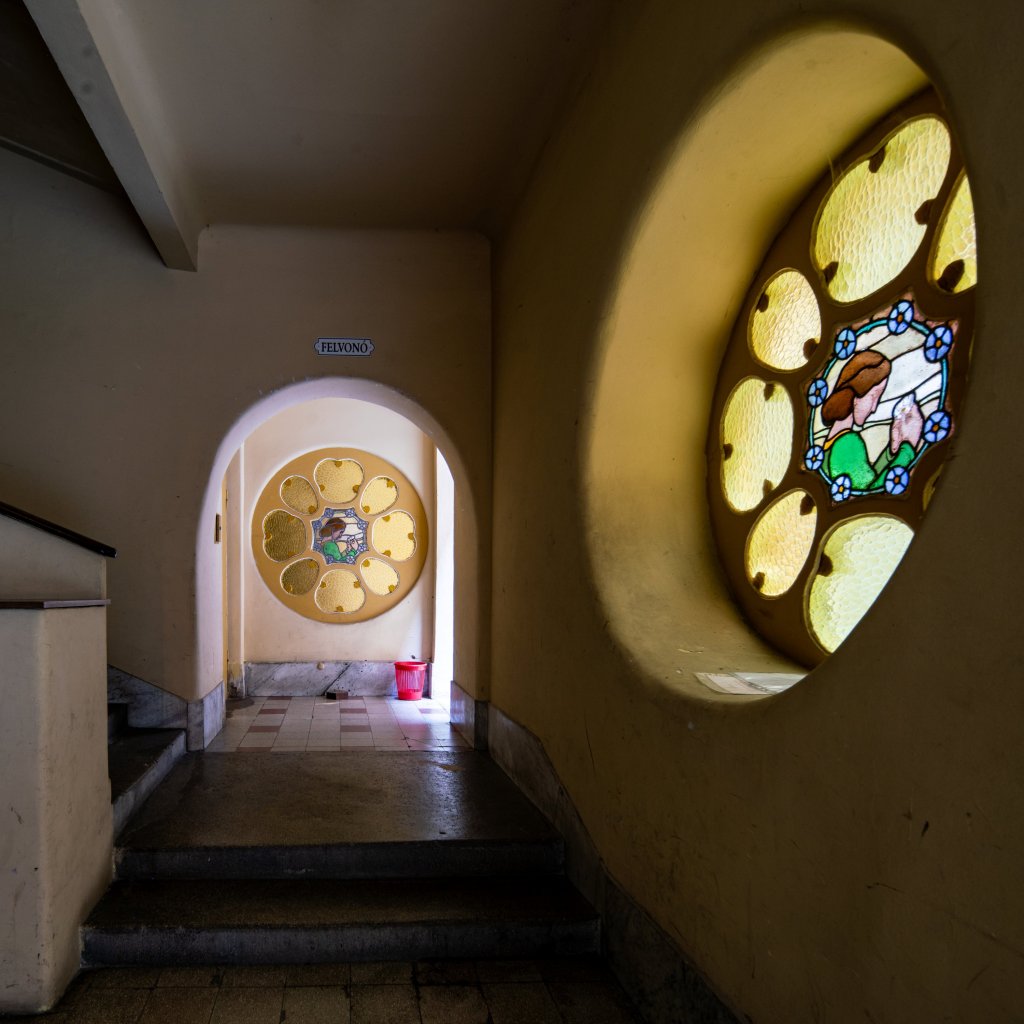
Orlay utca 2b : István Medgyaszay’s Masterwork in a small street of Buda
In January 2024, we held with our association an exhibition at Kelet Café, showcasing photos of buildings captured by Benjamin Makovecz in the late 70s and early 80s, alongside their current views. My favorite was a shot taken inside Orlay utca 2/b, a building constructed in 1909-1910 and designed by István Medgyaszay. Despite many attempts,…
-

The Forgotten Jazz Singer : Tibor Weygand’s Budapest Residence
This charming apartment house, constructed in 1931-32 by architect Tibor Hübner, is situated on Tas Vezér utca in the 11th district of Budapest. Our visit to this building was prompted by its association with Tibor Weygand, who resided here after World War II. While his name may not be widely recognized today, even in Hungary,…
 Buildings Tell Tales