
Traces of War
-
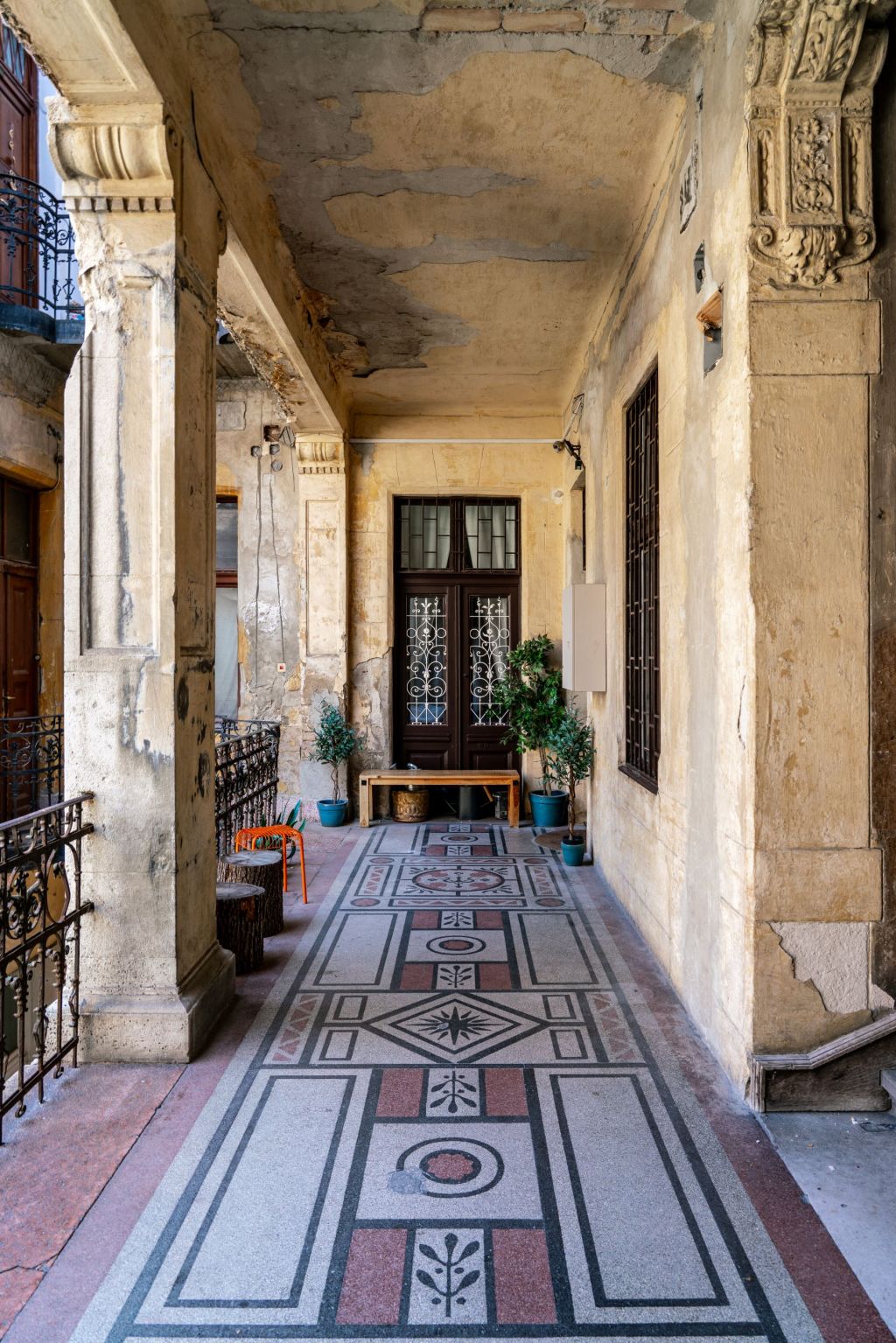
Kazinczy utca 5: The House of the Bell-Makers
This apartment building, located at Kazinczy utca 5 in the 7th district of Budapest, was designed by Antal Klenovits and completed in 1895. It was originally constructed for Anna Mária, Ferenc, Jakab Antal, and Klára Walser. Ferenc Walser owned a bell foundry located on the opposite side of the street, at Kazinczy utca 6/a. Ferenc…
-
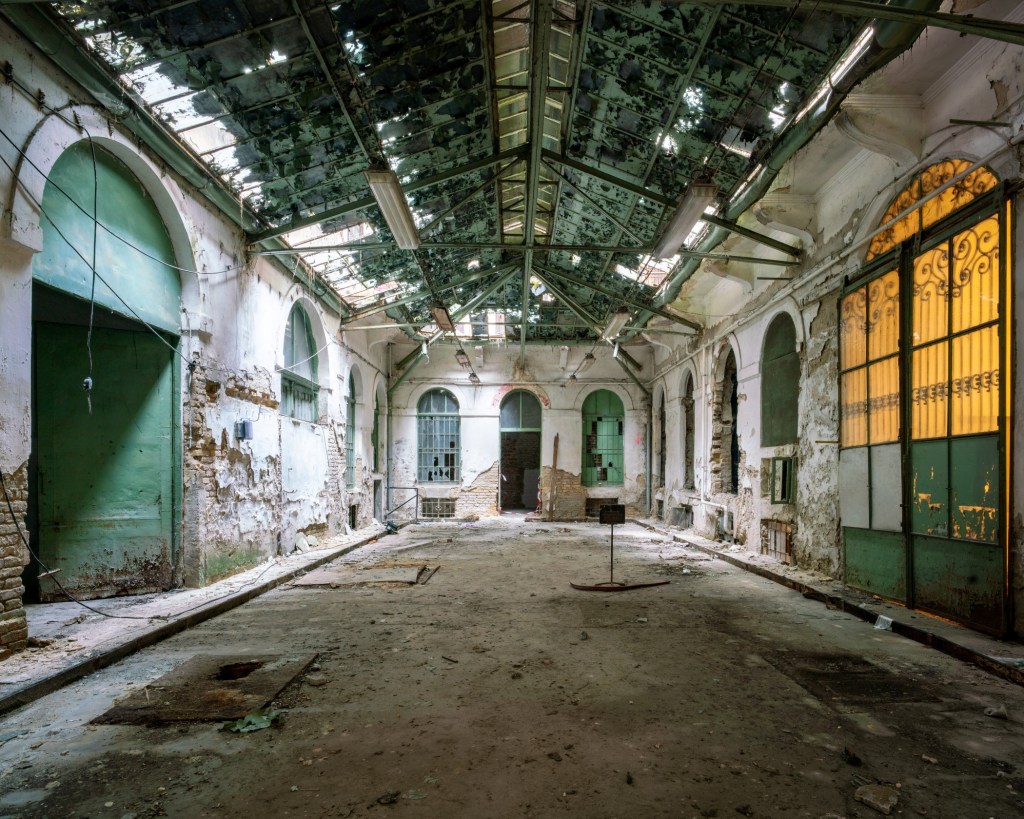
Budapest: The Glass-Courtyard Building
The house at Paulay Ede utca 25-27, known as “Üveg-Udvar” or “Glass Courtyard,” was built in 1890 by glass manufacturer Adolf Schwarz. The building housed glass manufacturing workshops on the ground floor, while the upper floors were used for apartments.
-

Pálya utca 15 : Traces of War from 1945
The old walls of Pálya utca 15 in Budapest’s 1st district hold memories of intense battles in 1945, with a huge number of bullet holes. I visited this site multiple times and took the photos I’m sharing with you just yesterday. Luckily, I found articles detailing the historical events linked to this house. It’s essential…
-

The Budapest of the early 1980s through the lens of Benjamin Makovecz
A few years ago, I used to wake up early to explore Budapest’s flea markets, searching for vintage photos. I donated most of my discoveries to Fortepan, a copyright-free and community-based photo archive. One day, amidst my treasure hunt at Bakancsos flea market, I stumbled upon a collection of captivating black and white prints showcasing…
-

Bullet Holes on the Walls of Budapest
Despite the renovation of many facades in the recent years, bullet holes are still a common sight in Budapest. These traces of war can be dated back either to the fights in 1944/45 or 1956. It is often difficult to say from which conflict are these traces of war. The study of the location of…
-
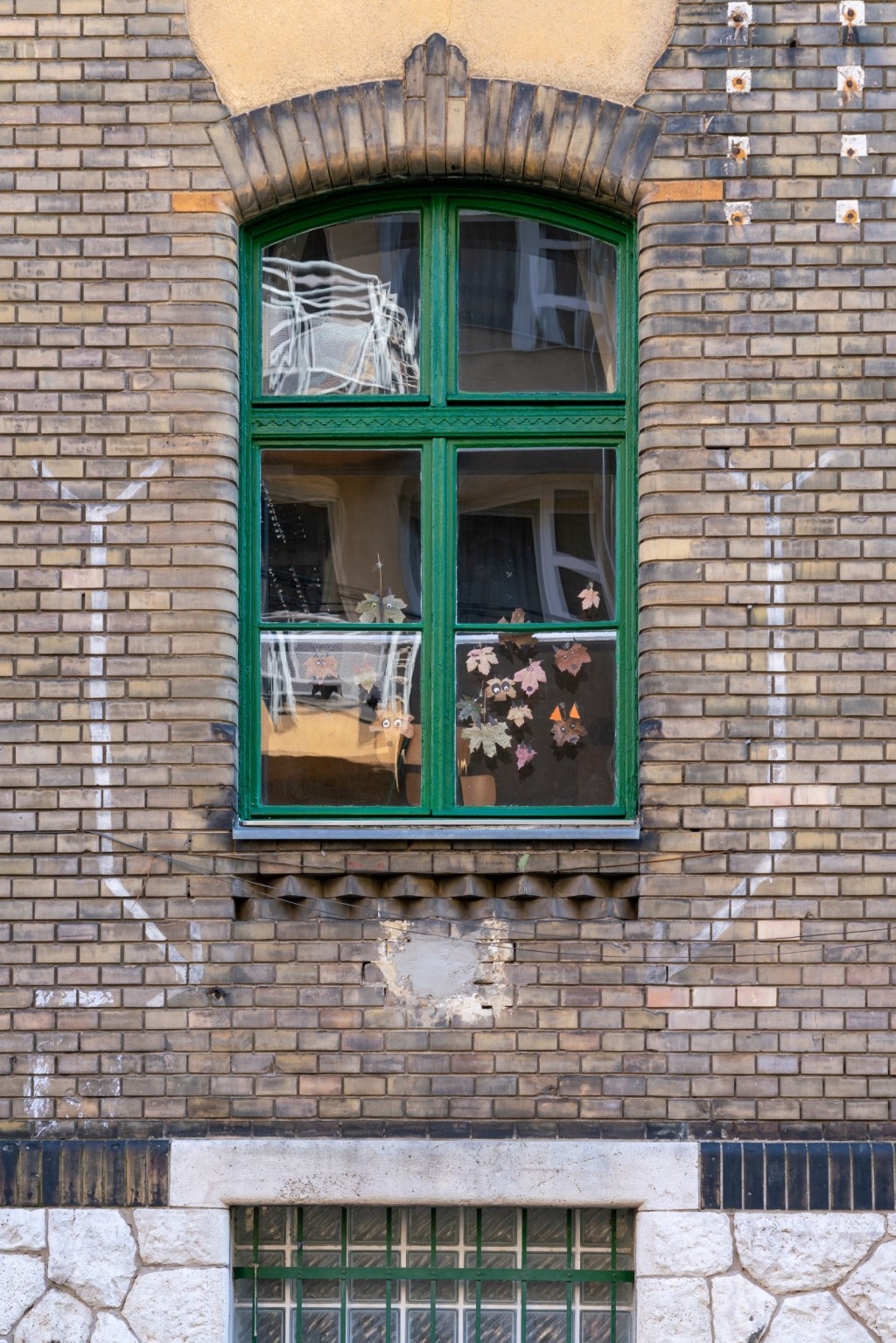
Air Raid Shelter Signs in Budapest
Similar to the bullet holes and inscriptions left by Soviet soldiers clearing buildings of explosives in 1945, signs indicating the presence of shelters also serve as intriguing memories of the conflicts Budapest had to endure in its history. Shelters, whether independently built bunkers or reinforced basements, were constructed in great numbers starting in 1938 to…
-
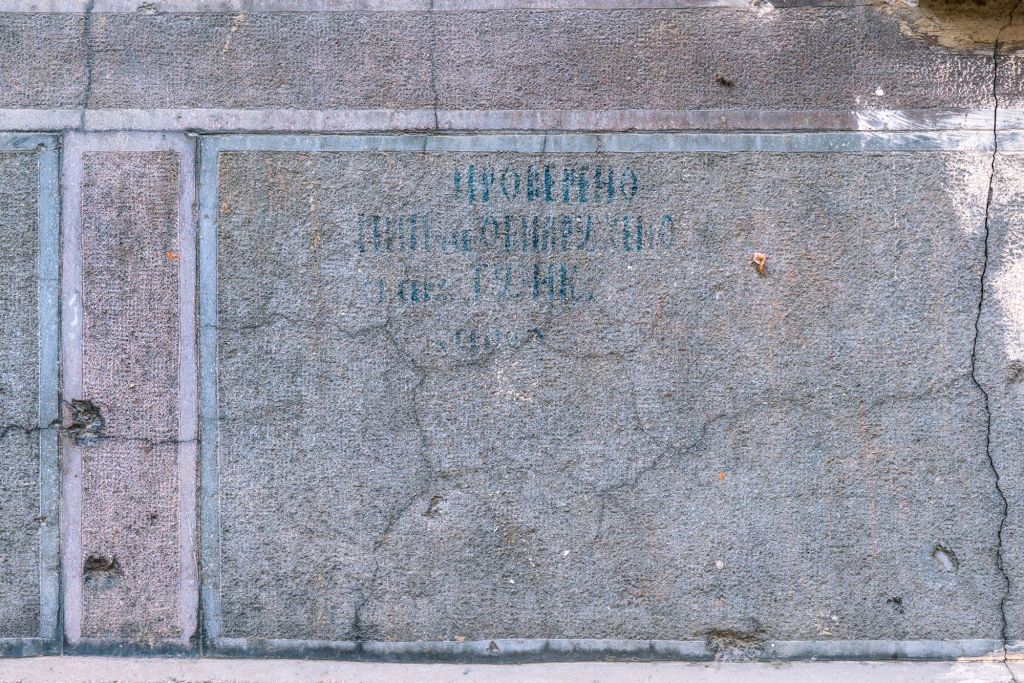
1945 “Mine Cleared” Inscription in Budapest
The Battle of Budapest, one of the longest and bloodiest sieges of WWII, endured for 102 days. It commenced with the initial sighting of a Soviet tank and concluded with the capture of Buda Castle on 13 February 1945. These tragic events have left enduring marks on Budapest’s walls, such as signs indicating the presence…
 Buildings Tell Tales