
Ghost Signs
-
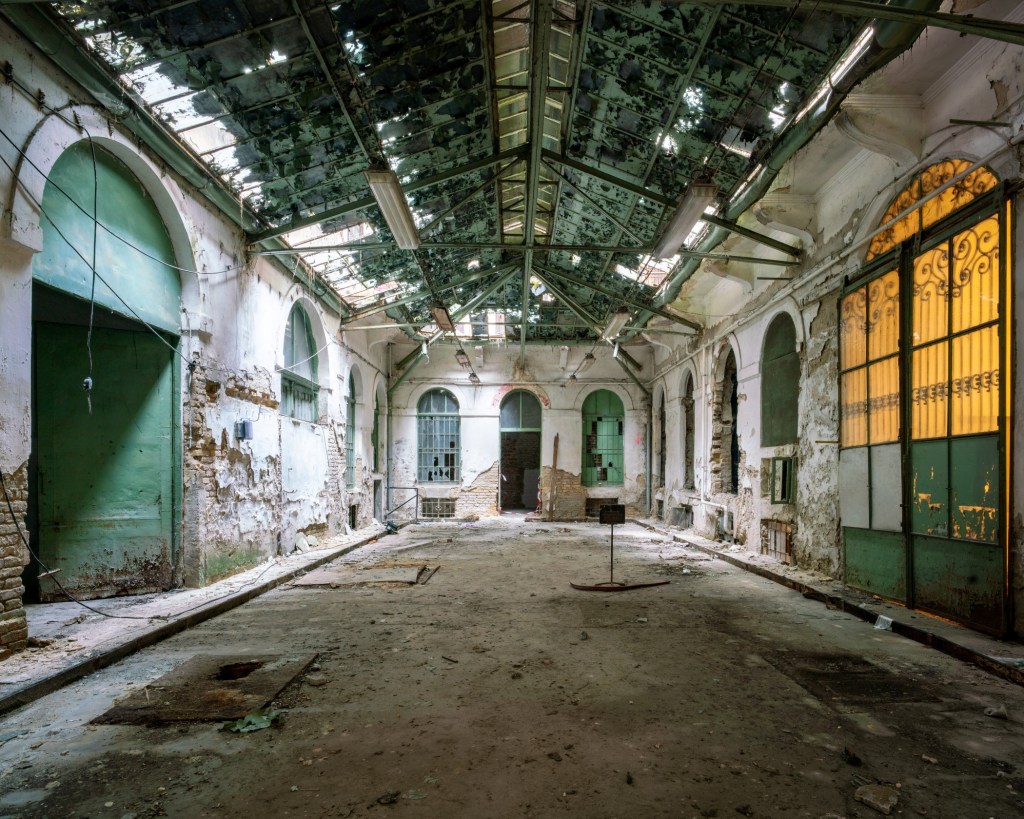
Budapest: The Glass-Courtyard Building
The house at Paulay Ede utca 25-27, known as “Üveg-Udvar” or “Glass Courtyard,” was built in 1890 by glass manufacturer Adolf Schwarz. The building housed glass manufacturing workshops on the ground floor, while the upper floors were used for apartments.
-
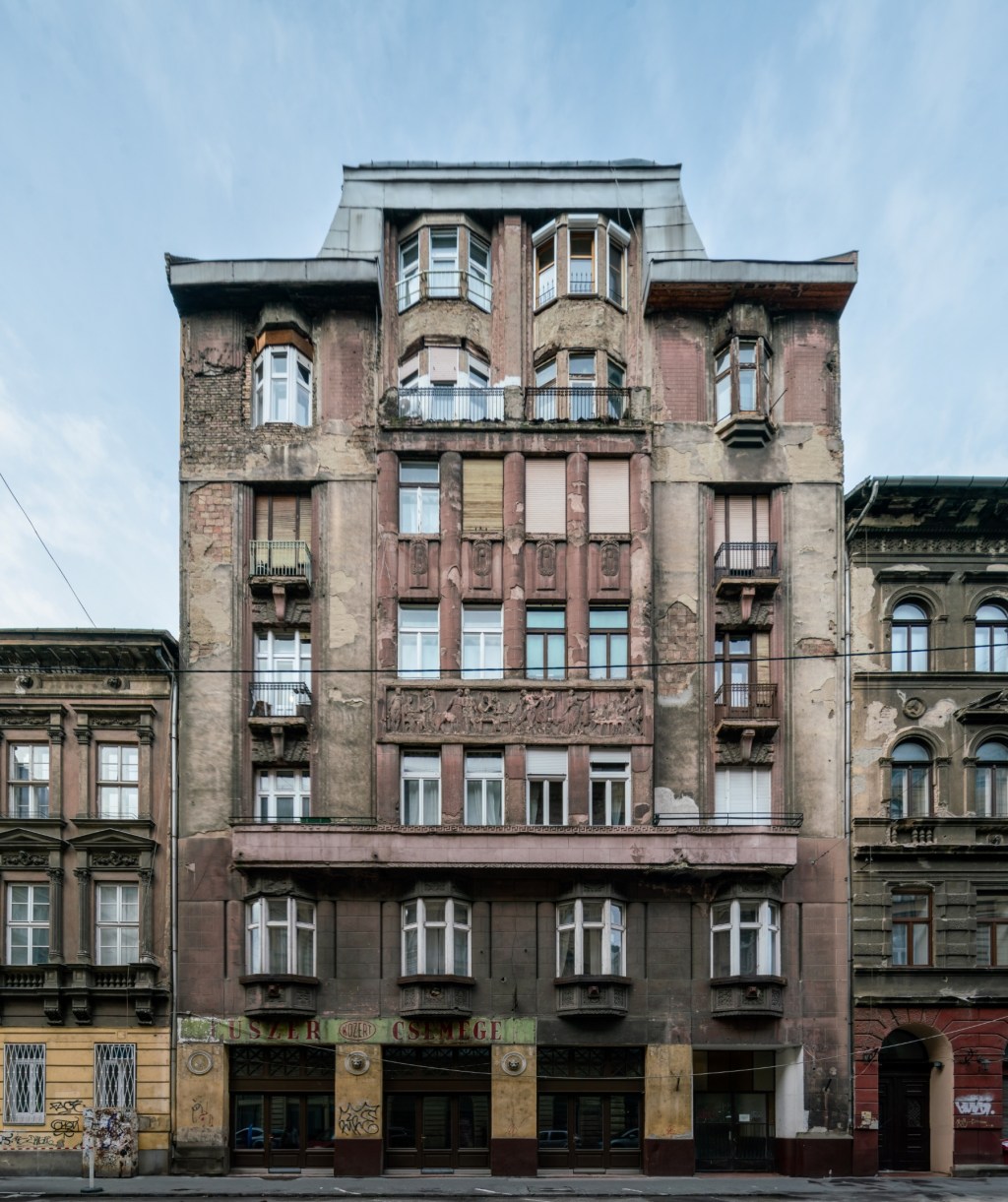
Interesting Facade in the 6th District of Budapest
I find the facade at 12 Jókai Street in Budapest’s 6th district particularly intriguing. This building, completed in 1912, was designed by architects Izsó Nagy and Gyula Benedict for Szilárd Cziner, a wealthy landowner. A few years ago, the removal of a grocery store’s signs revealed an old inscription: “Fűszer – Közért – Csemege.” This…
-
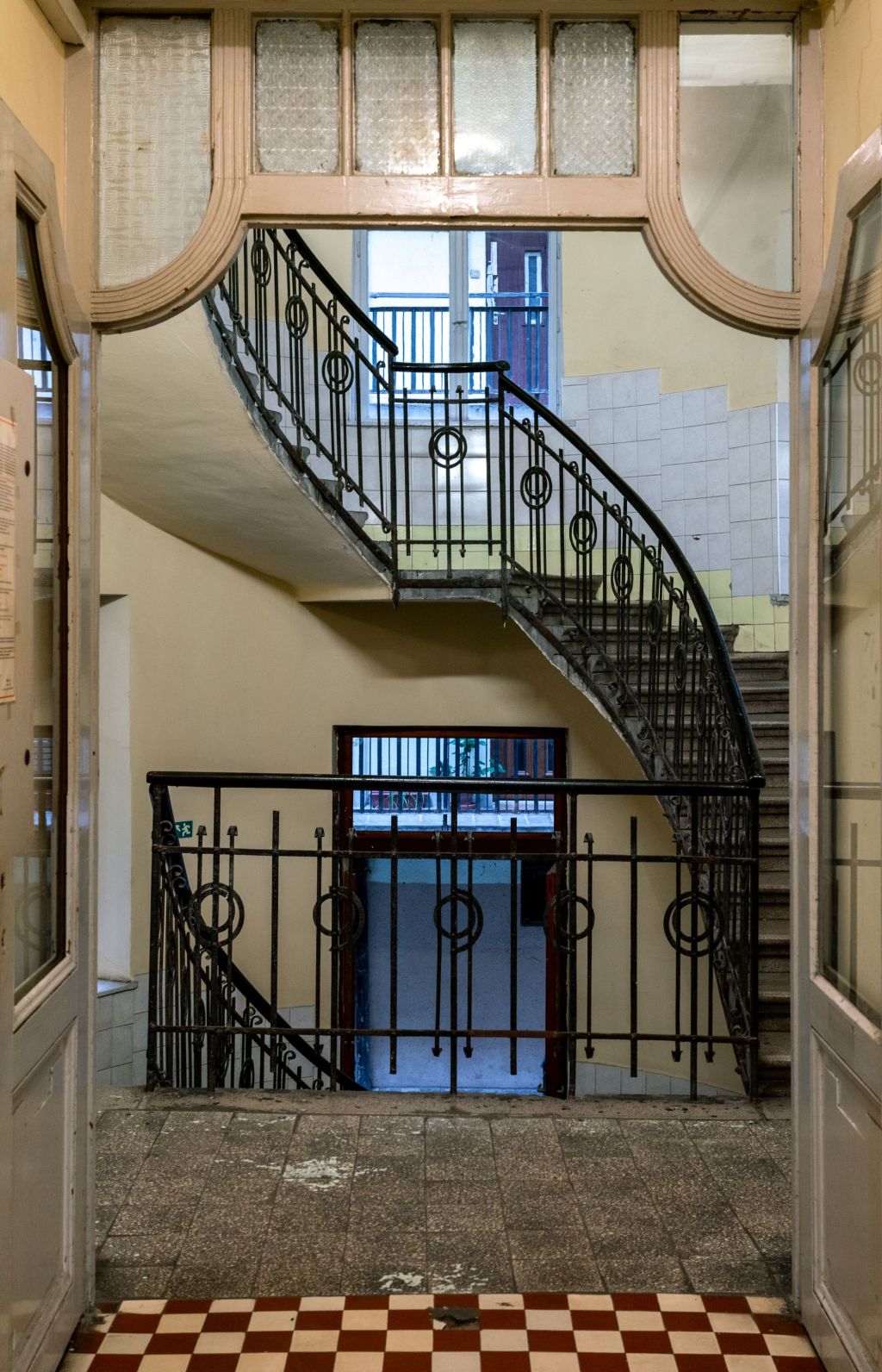
Kartács utca 13 : A Hidden Treasure in Angyalföld
I explored this house located at Kartács utca 13 for the first time in April 2022 and revisited it in December 2023. I don’t often venture into this part of Budapest, but this house is evidence that I should do so more frequently! Conducting a brief investigation into its history, I uncovered some interesting (and…
-
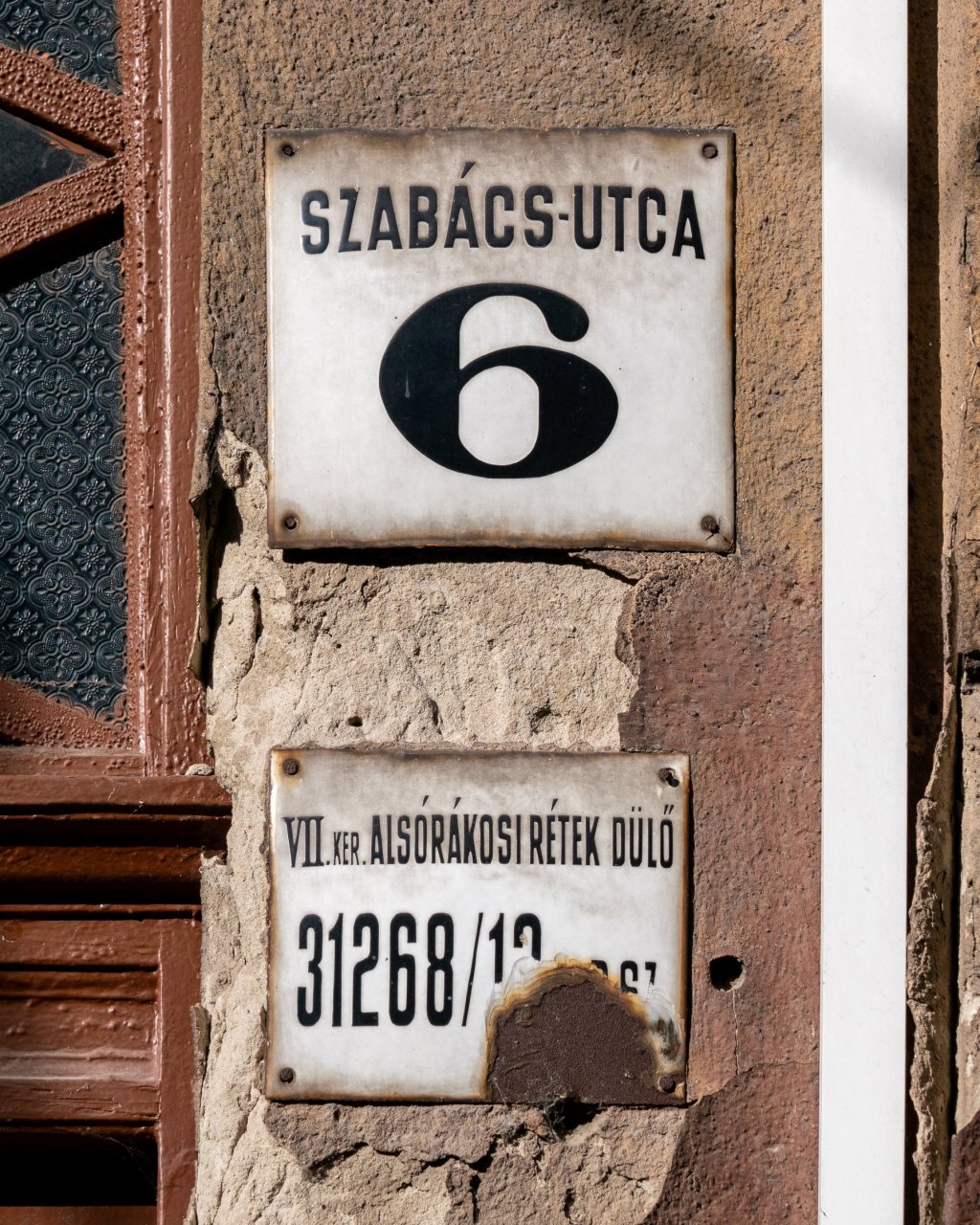
Old Street Name and House number Plates
Street name and house number plates serve as fascinating guardians of Budapest’s eventful history. The city has undergone numerous regime changes, leading to the renaming of streets multiple times. However, plates retaining the old street names can still be found. Many plates showcase the old spelling of the Hungarian word for ‘street,’ written as ‘ucca’…
-
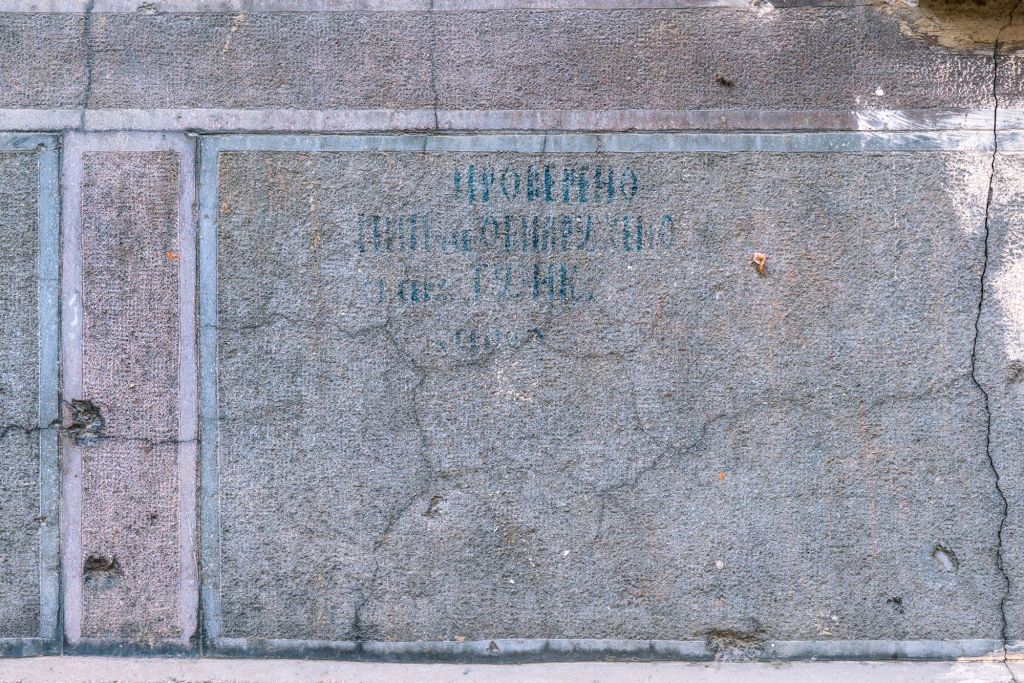
1945 “Mine Cleared” Inscription in Budapest
The Battle of Budapest, one of the longest and bloodiest sieges of WWII, endured for 102 days. It commenced with the initial sighting of a Soviet tank and concluded with the capture of Buda Castle on 13 February 1945. These tragic events have left enduring marks on Budapest’s walls, such as signs indicating the presence…
-
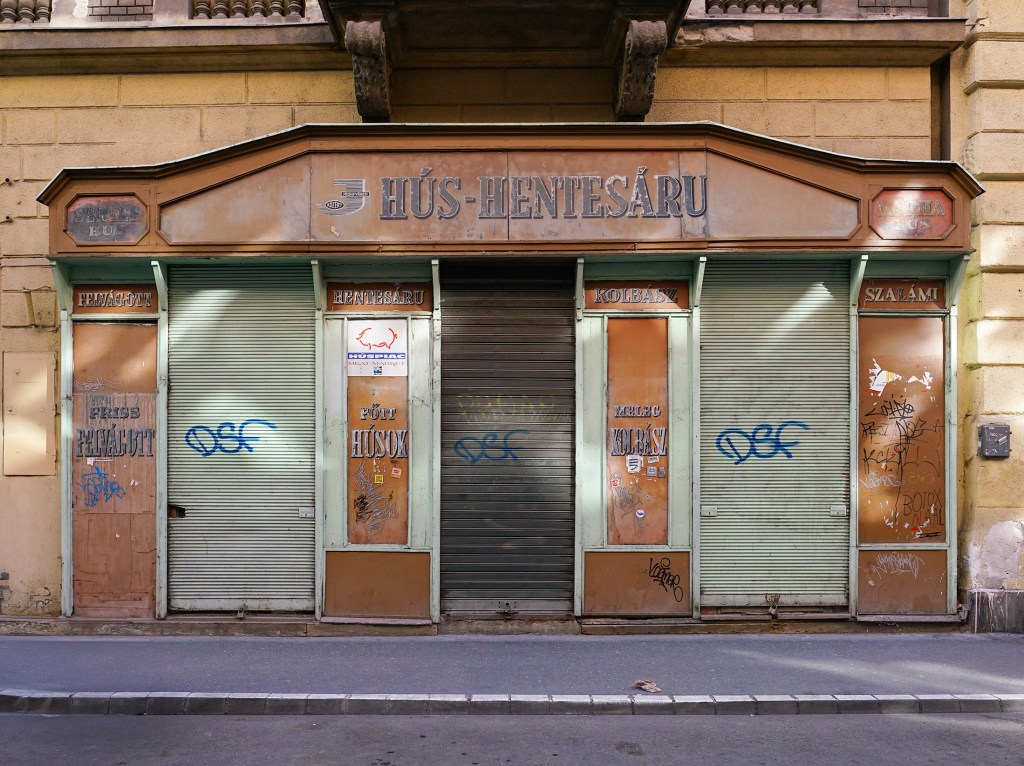
Ghost Signs and Vintage Signs in Budapest
According to an article published in The Guardian, ‘ghost signs’ are typically hand-painted advertising signs or old shop signs from the late 19th or early to mid-20th centuries preserved on buildings that have since changed use. To be precise and adhere to this definition, I have also included ‘vintage signs’ in the title of this…
 Buildings Tell Tales