
Buildings Tell Tales
-
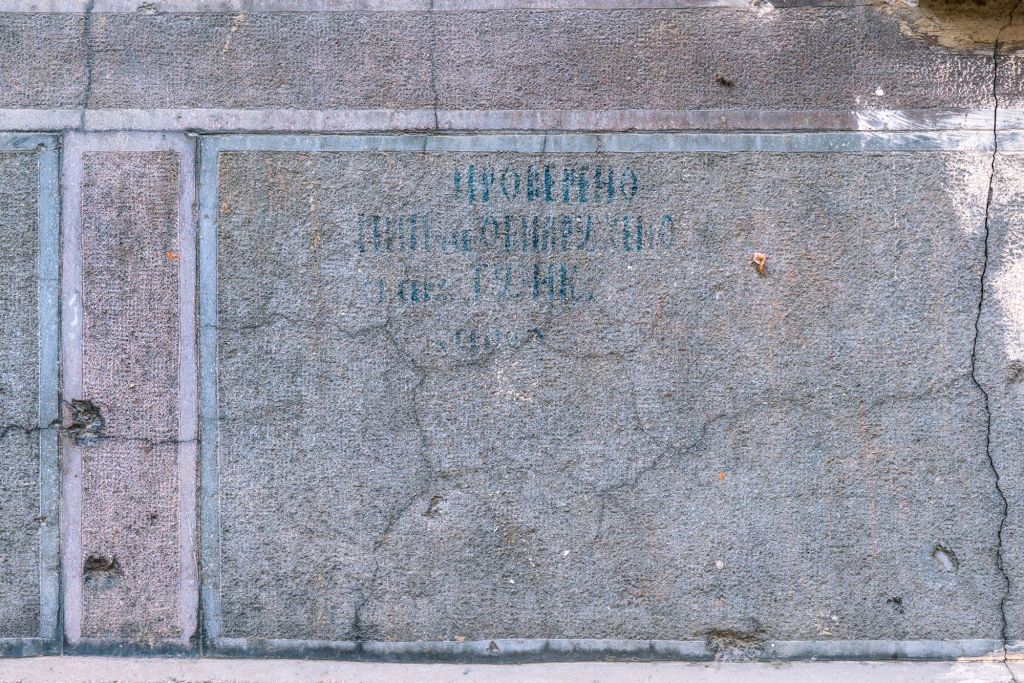
1945 “Mine Cleared” Inscription in Budapest
The Battle of Budapest, one of the longest and bloodiest sieges of WWII, endured for 102 days. It commenced with the initial sighting of a Soviet tank and concluded with the capture of Buda Castle on 13 February 1945. These tragic events have left enduring marks on Budapest’s walls, such as signs indicating the presence…
-
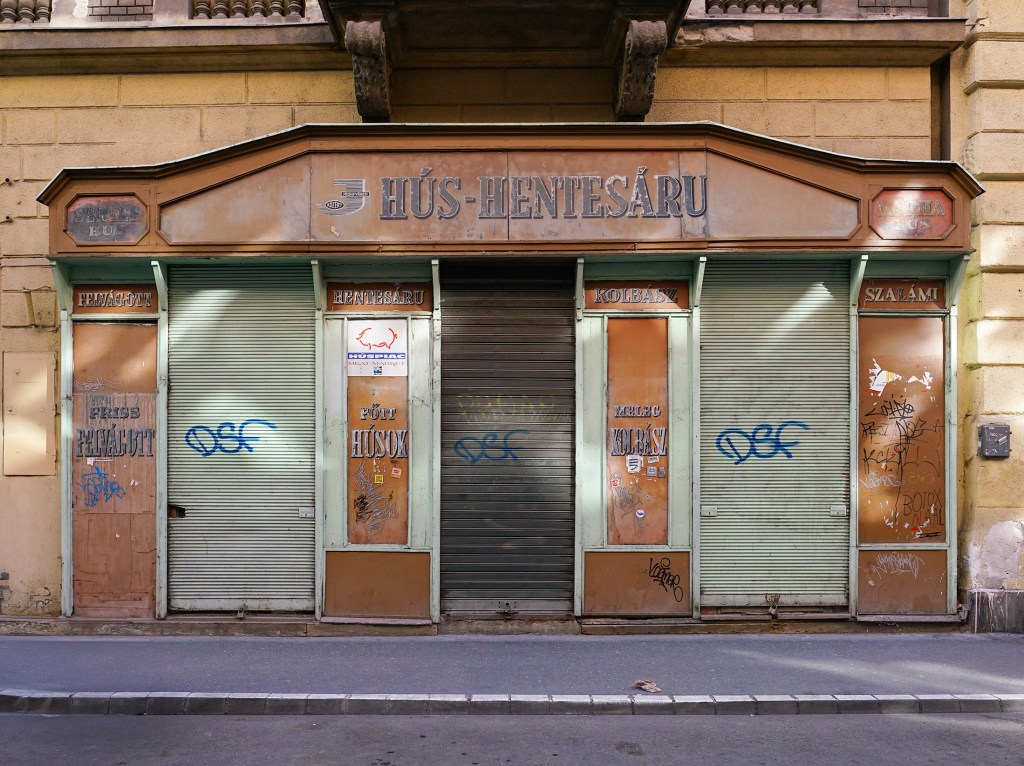
Ghost Signs and Vintage Signs in Budapest
According to an article published in The Guardian, ‘ghost signs’ are typically hand-painted advertising signs or old shop signs from the late 19th or early to mid-20th centuries preserved on buildings that have since changed use. To be precise and adhere to this definition, I have also included ‘vintage signs’ in the title of this…
-

Kazinczy Utca 16 – The Last Mikveh in Budapest
The courtyard of Kazinczy utca 16, in Budapest’s Jewish district, may appear somewhat derelict from this viewpoint. However, the side of the building on the left, which serves as a mikveh (a Jewish ritual bath), underwent renovation a few years ago, and you can admire its interesting facade when walking on Kazinczy utca. The mikveh…
-

Honvéd utca 18 : The House Where Teller Ede Spent His Childhood
I recently watched the film “Oppenheimer”. Since the character of Edward Teller (Teller Ede), played by Benny Safdie, had an important role in the film, I decided to visit the house in Budapest where he grew up. Teller Ede was born in 1908 at Kozma Ferenc utca 3, in the 5th district of Budapest. When…
-

Reáltanoda utca 12 – An Abandoned Mansion Which was the Home of a Legendary Racehorse
A little over a year ago, I had the opportunity to visit a remarkable place—Reáltanoda utca 12, located in the 5th district of Budapest. This historic house, long abandoned, is now set to undergo a transformation into an office space. But before its renovation, it was briefly opened to the public for an exhibition. This…
-
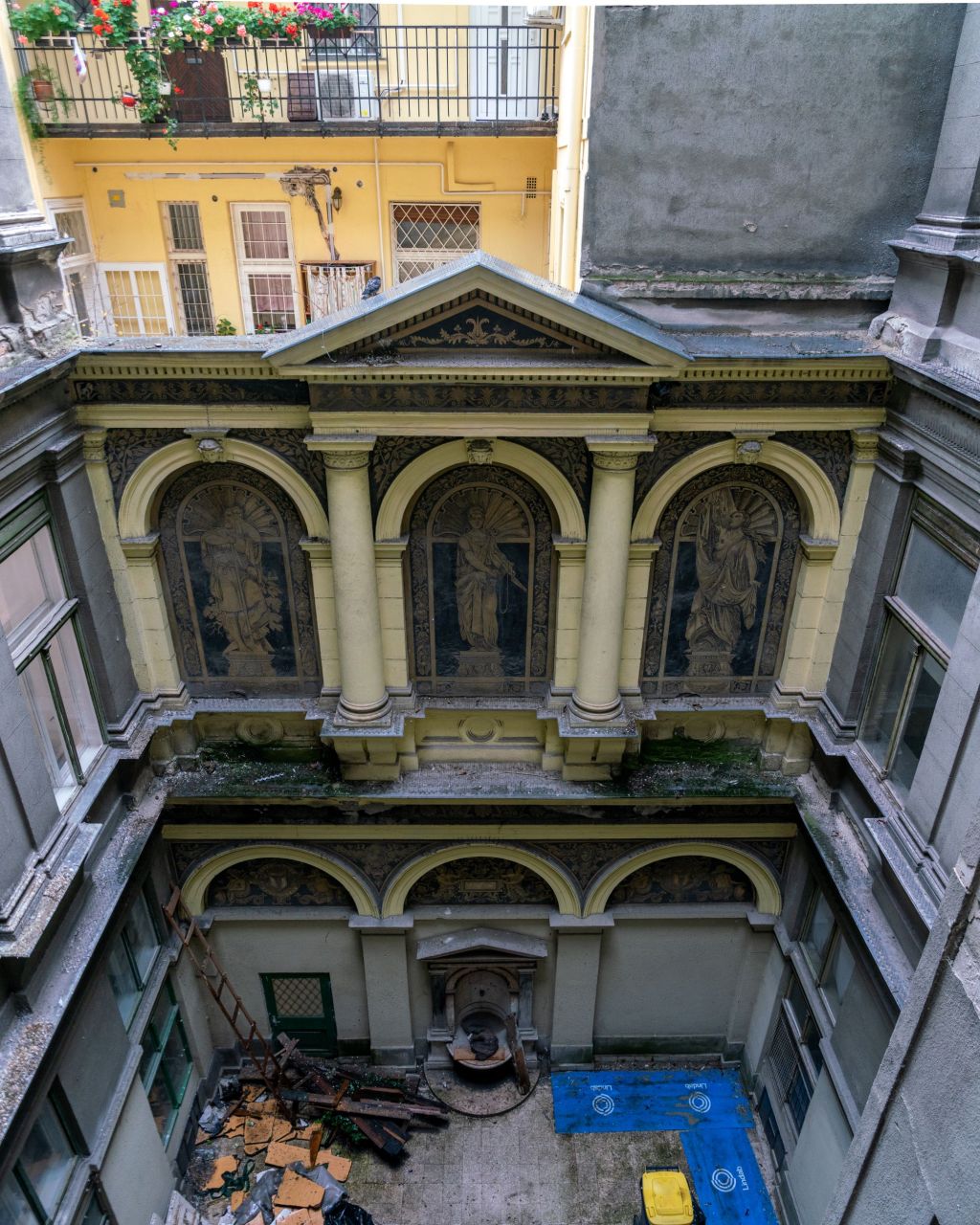
An Abandoned Beauty in the Heart of Budapest : Múzeum körút 19
Hidden courtyard at Múzeum körút 19, in the 5th district of Budapest. This partially abandoned house was designed by Miklós Ybl for Zsigmond Róth, the owner of a stained glass workshop. Zsigmond was the father of Miksa Róth, the most famous Hungarian stained glass and mosaic artist. In 2016, a temporary exhibition was organized here,…
-

Silent Witnesses to History: Bullet Holes in Király utca 49
Some photos of Király utca 49 where the renovation has recently started. The façade of this historical house is adorned with a statue of Saint Therese, representing the pharmacy of the same name that occupied the building from 1957 until the early 1940s. During my exploration, I noticed bullet or shrapnel holes on the top…
-

József Attila utca 18 : The House Where Thousands of Portrait Where Taken
This building was constructed for Antal Mocsonyi in 1910 based on the plans of Károly Rainer. Interestingly, Antal Mocsonyi decided to launch an architectural design contest in 1907 to select the architect in charge of designing his apartment house. This marked the first instance in Budapest where this method was employed to choose the architect…
-
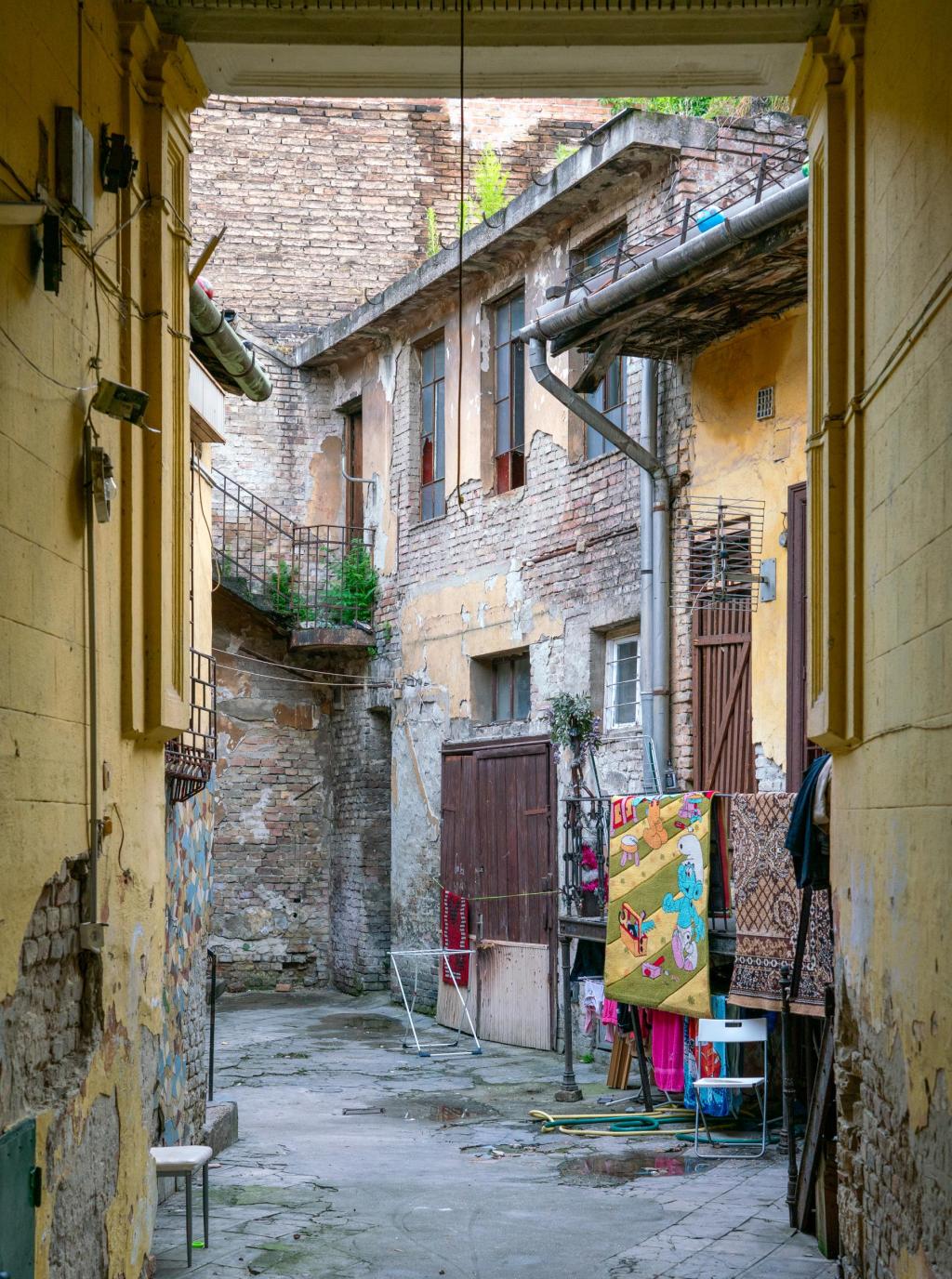
The Brush Factory of Magdolna Utca
The courtyard of Magdolna utca 18 has retained the old vibes of Józsefváros, the 8th district of Budapest. For decades, Budapestians used brushes produced in this house for their painting and shoe-cleaning needs. In 1870, Albert Wolsky established a brush-making factory here. After Albert’s passing, his son Sándor took over as the director and expanded…
-
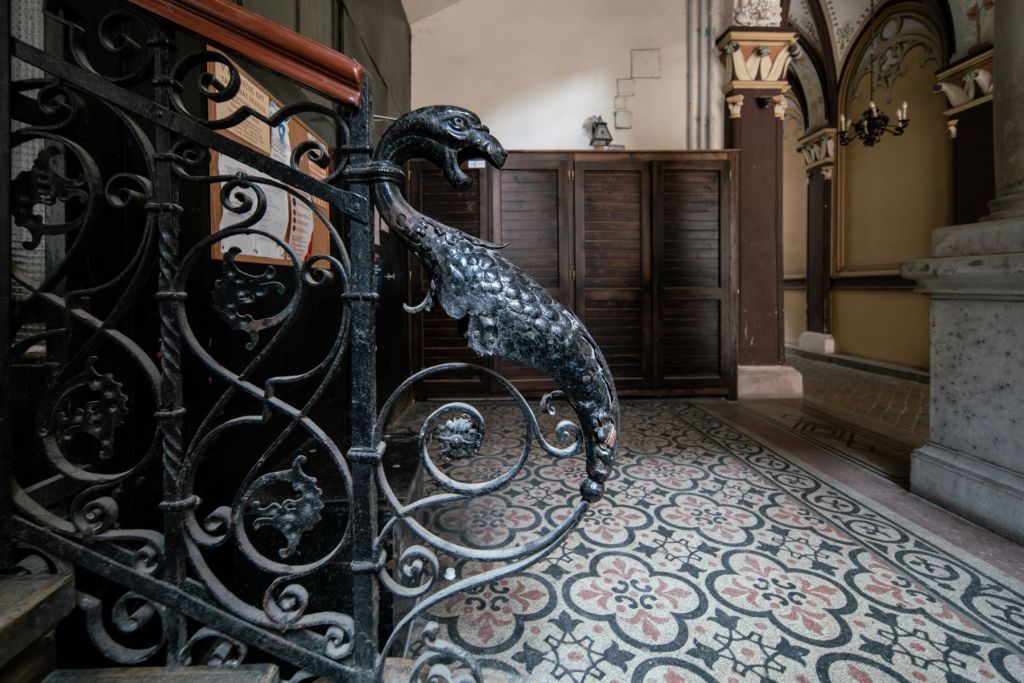
Like an Old Castle: Izabella Utca 63
Walking into Izabella utca 63 in Budapest’s 6th district feels like entering an old castle. It’s amazing how many small architectural details, such as the special tiles and ironwork, have been preserved over the years. Even the doors of the apartments resemble castle walls! This house was built in the 1890s for Dávid Kopf and…
 Buildings Tell Tales