
Buildings Tell Tales
-
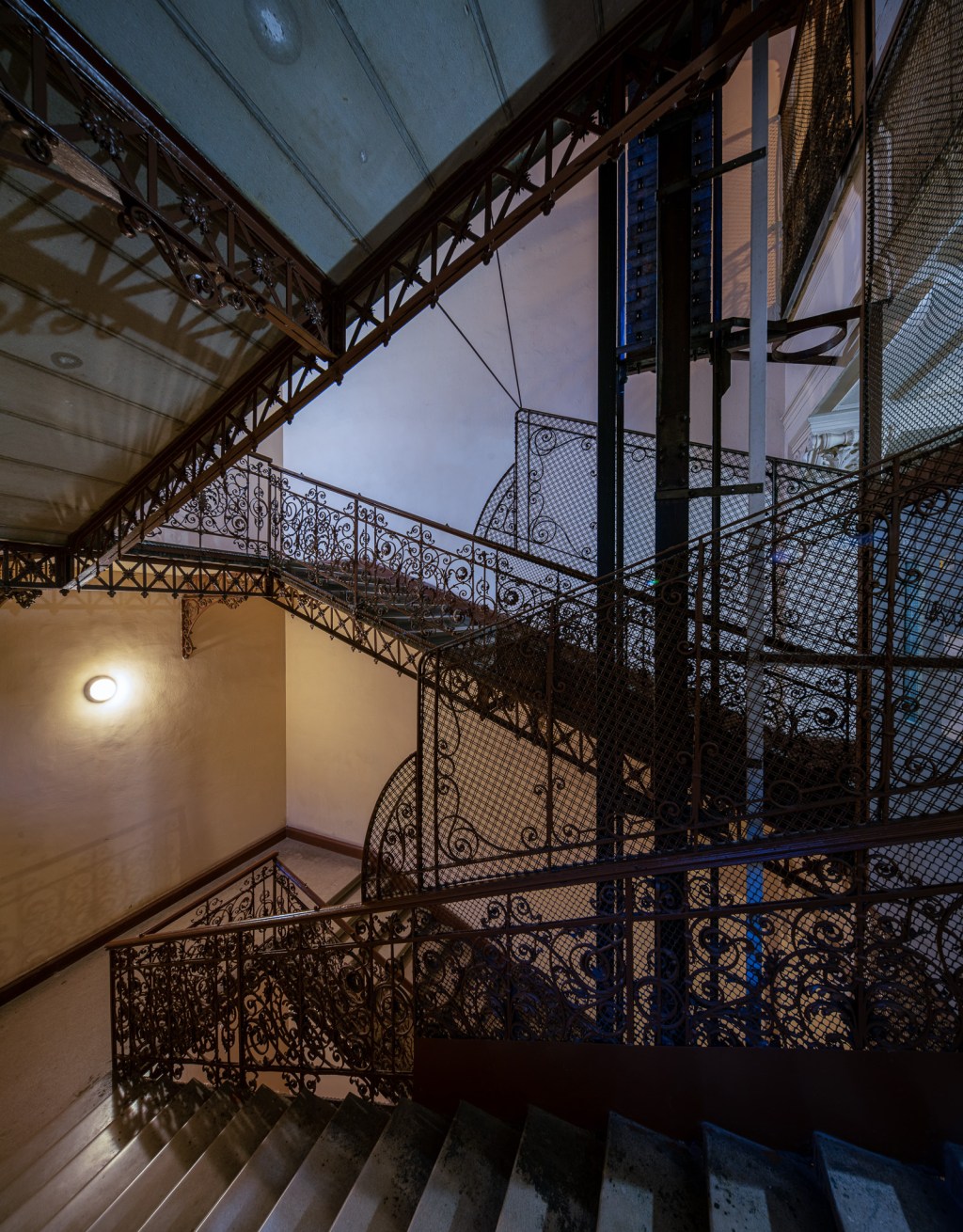
Semmelweis utca 2: A Glimpse into Győző Czigler’s Architectural Gem
The apartment house of the Hungarian Royal University Fund (Magyar Királyi Tudományegyetemi Alap bérháza), located at Semmelweis utca 2, stands as a testament to the architectural brilliance of Győző Czigler. Completed in 1895, this edifice is one of many iconic creations by Czigler, a prolific architect whose life, though brief (born in Arad in 1850,…
-
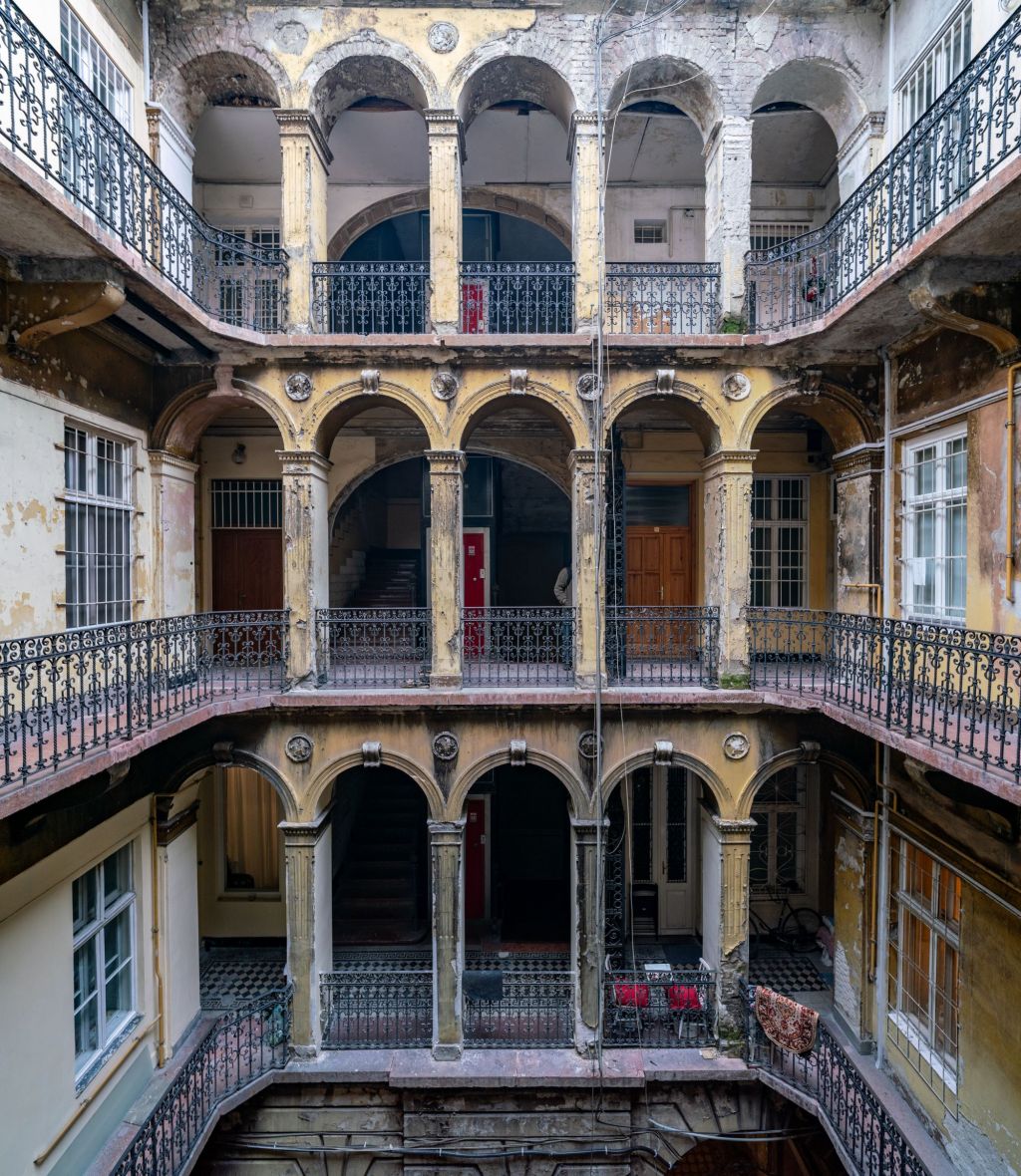
Nagymező utca 18 : The House of the Duna Insurance Company
Upon entering Nagymező utca 18, an apartment house located at the corner of Nagymező utca and Andrássy Avenue in the 6th district of Budapest, you will notice a large iron “D” that reflects the building’s history. The ironwork of this building preserves the memory of the Duna Insurance Company, which had its headquarters here. The…
-
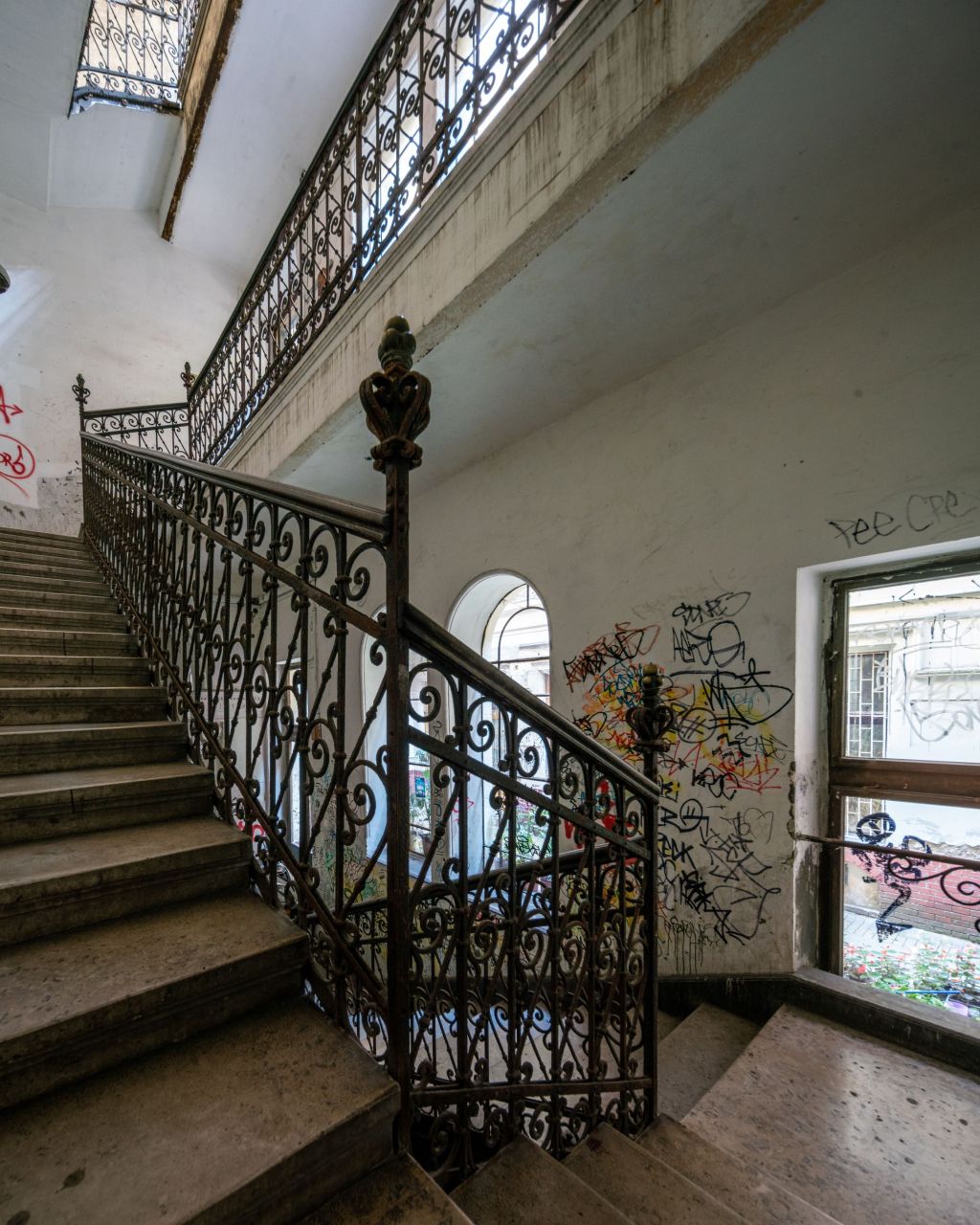
Lipót Baumhorn’s Forgotten Gem: Visit Szív utca 66
When I entered the building located at Szív utca 66, I was immediately struck by both its beauty and its deplorable state. After researching its past, I was surprised to discover that these crumbling walls, covered with graffiti, were originally designed by Lipót Baumhorn, the most influential Hungarian synagogue architect of the 20th century. Baumhorn…
-

Akácfa utca 11: Stories Written on its Walls
This building did not seem particularly appealing from the outside, but the walls of the staircase were covered with graffiti that told tales of its past. My favorite one was written by tinkers/plumbers before 1990 (since it refers to Boulevard Lenin, which was the name of Erzsébet Boulevard between 1950 and 1990). Some other graffiti…
-
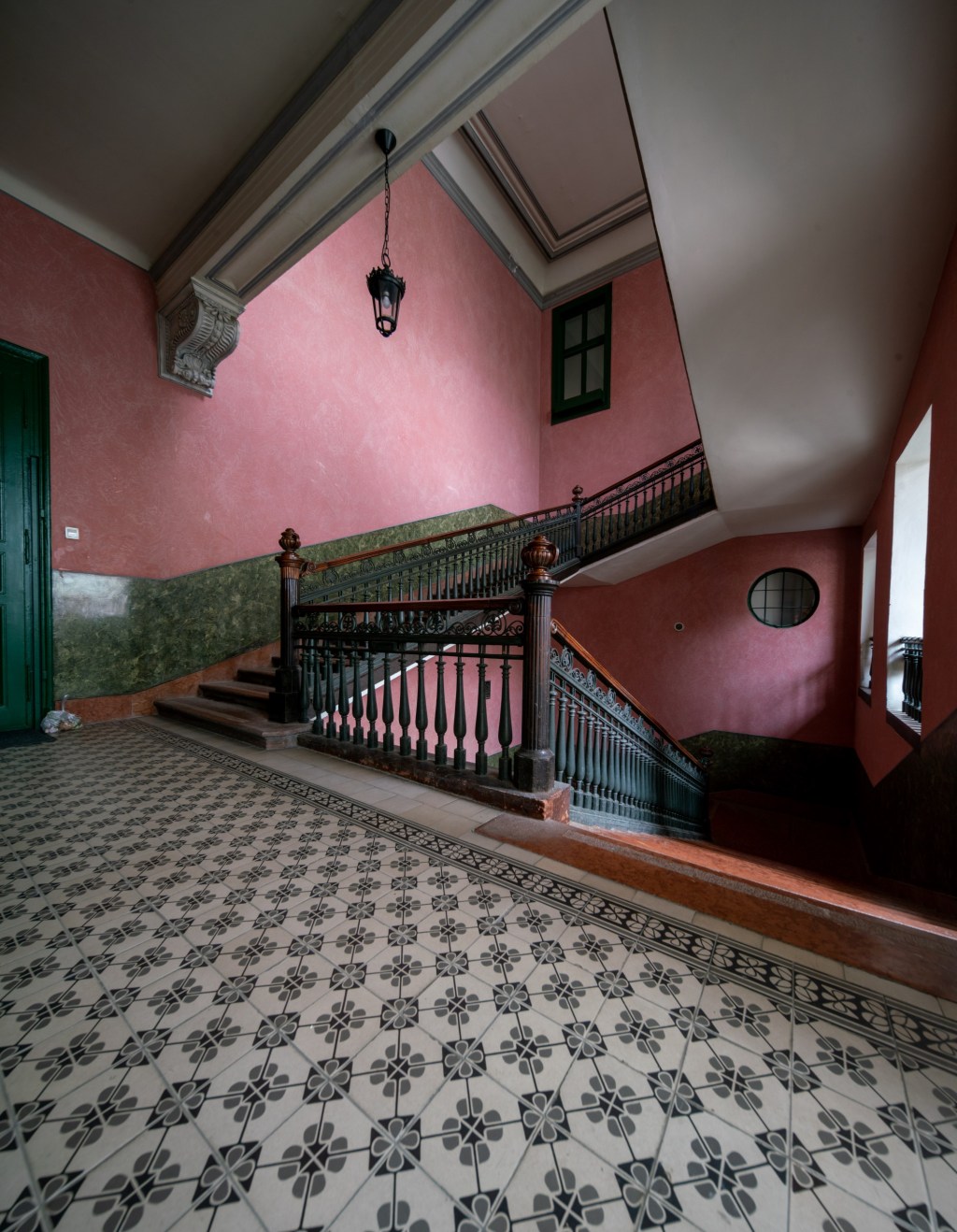
Inside the former Hotel Tiger : a 19th-Century Gem in Budapest
These photos capture the interior of the former Tigris Szálló (Hotel Tiger) located at Nádor utca 5, in the 5th district of Budapest. Designed by József Hild, one of the most recognized Hungarian architects of the 19th century, the Hotel Tiger was inaugurated in 1840. Regarded as one of the most elegant hotels, it hosted…
-
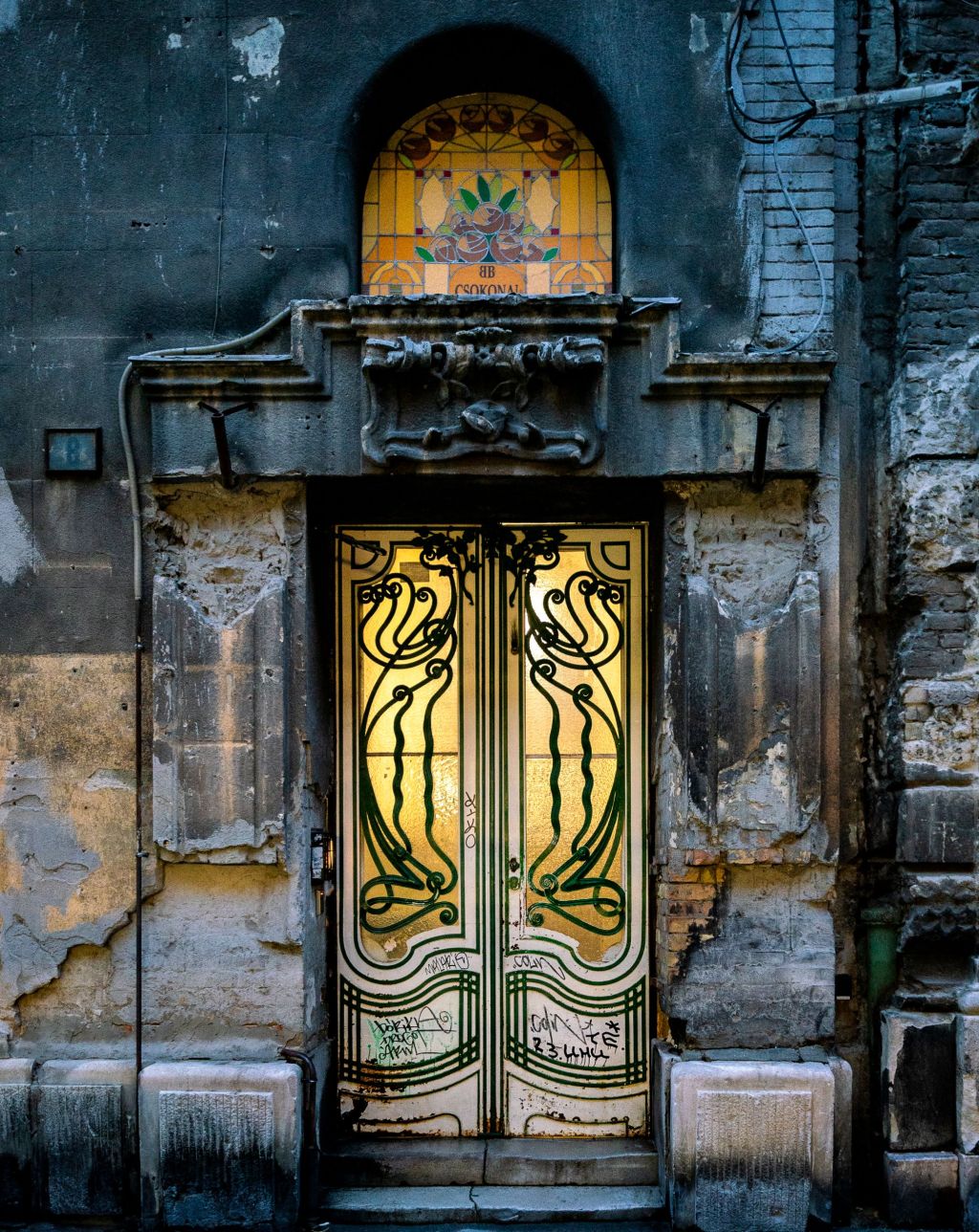
Csokonai utca 8: my favourite Art Nouveau door in Budapest
I wanted to peek behind the door of Csokonai utca 8 for a while. This Art Nouveau apartment house from the early 1900s was designed by Gyula Fodor. Researching the history of this house gave me a glimpse into the history of beekeeping in Hungary. In 1938, Csokonai utca 8 found new owners – the…
-
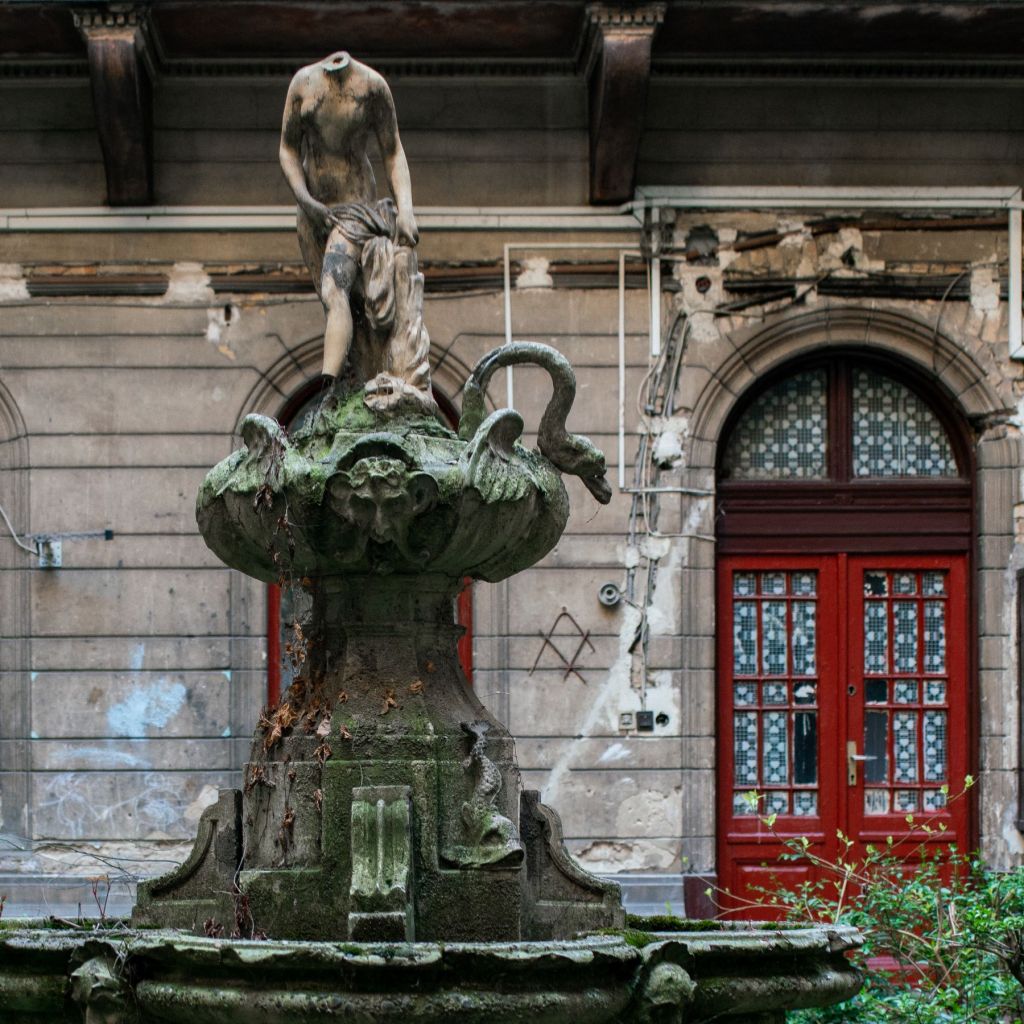
Hidden Sculptures and Statues in Budapest
Numerous websites, Facebook, and Instagram profiles already document Budapest’s statues. In this category, I will focus on sculptures hidden inside buildings and the fascinating stories behind them. This headless Venus stands in the courtyard of Szív utca 18. In 1980, she “wrote” an article for a magazine. Read her story here. This statue of a…
-
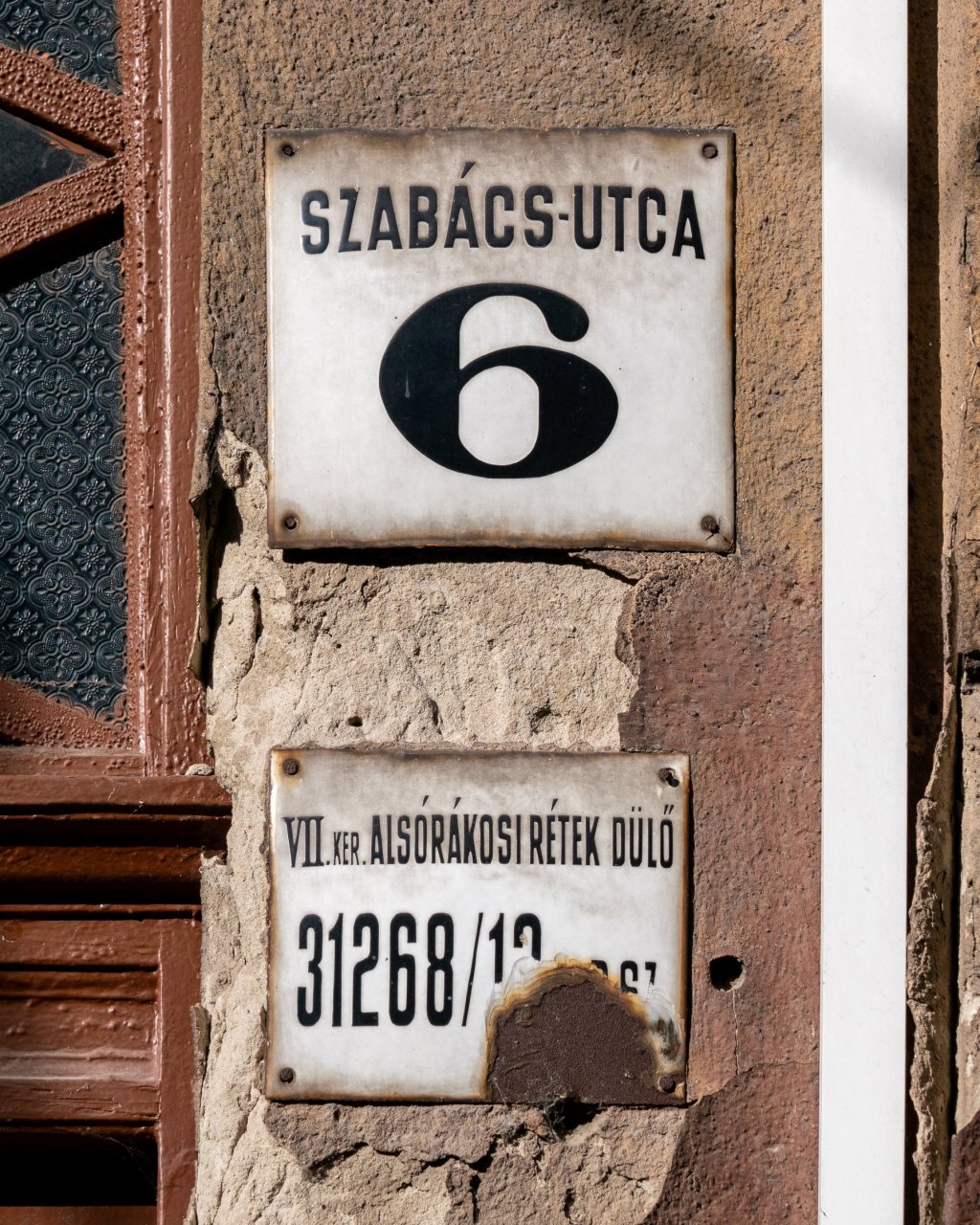
Old Street Name and House number Plates
Street name and house number plates serve as fascinating guardians of Budapest’s eventful history. The city has undergone numerous regime changes, leading to the renaming of streets multiple times. However, plates retaining the old street names can still be found. Many plates showcase the old spelling of the Hungarian word for ‘street,’ written as ‘ucca’…
-

Bullet Holes on the Walls of Budapest
Despite the renovation of many facades in the recent years, bullet holes are still a common sight in Budapest. These traces of war can be dated back either to the fights in 1944/45 or 1956. It is often difficult to say from which conflict are these traces of war. The study of the location of…
-
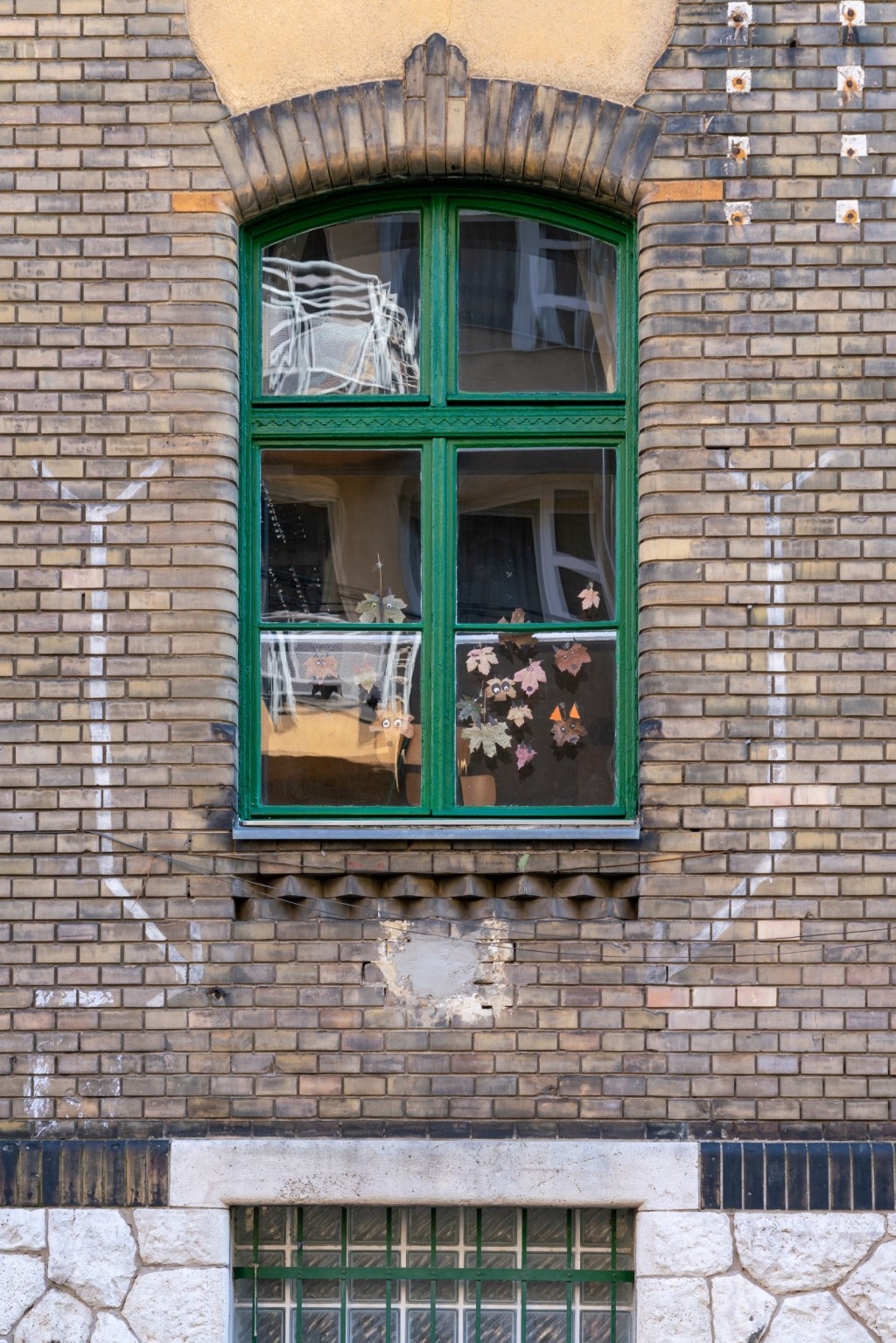
Air Raid Shelter Signs in Budapest
Similar to the bullet holes and inscriptions left by Soviet soldiers clearing buildings of explosives in 1945, signs indicating the presence of shelters also serve as intriguing memories of the conflicts Budapest had to endure in its history. Shelters, whether independently built bunkers or reinforced basements, were constructed in great numbers starting in 1938 to…
 Buildings Tell Tales