
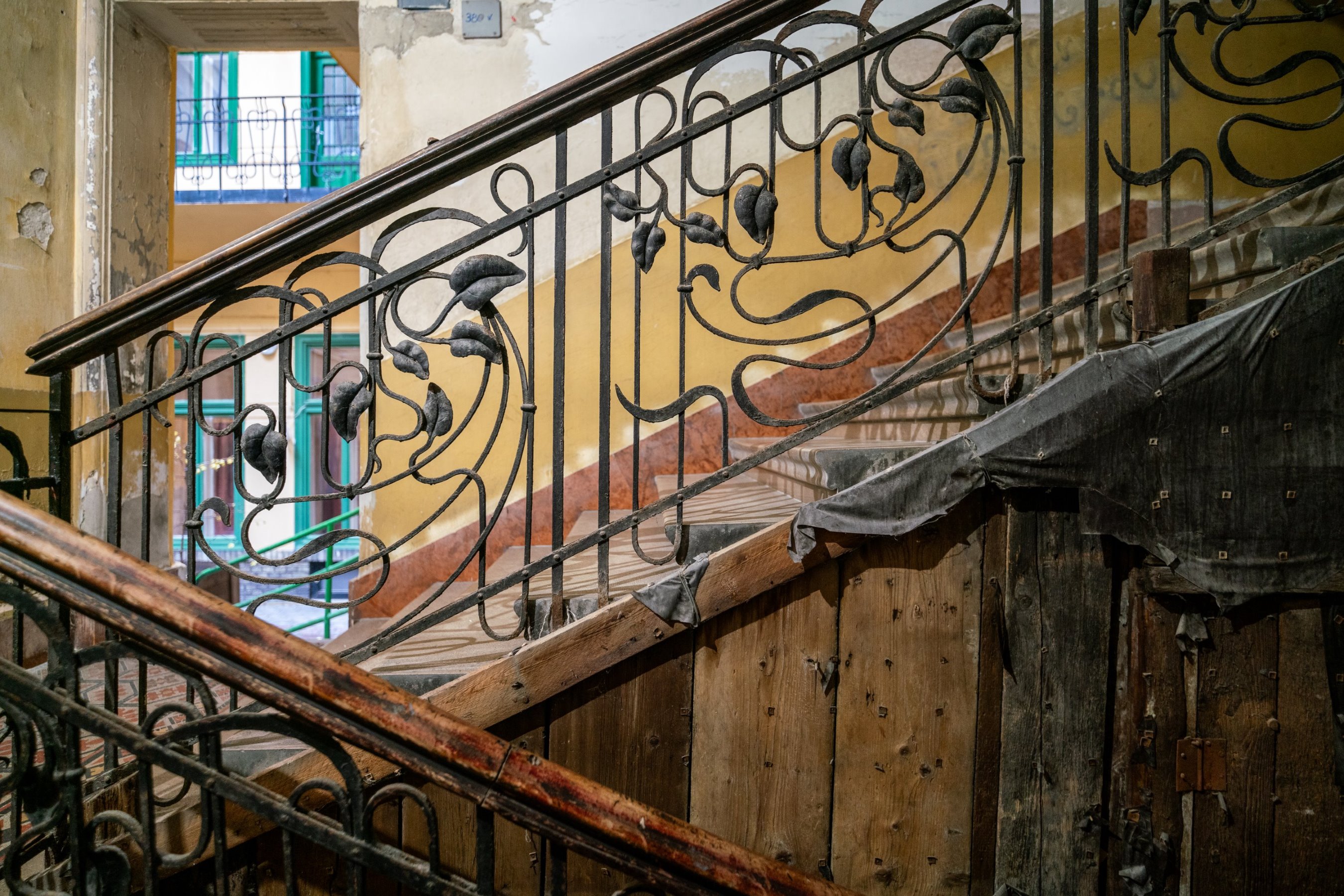
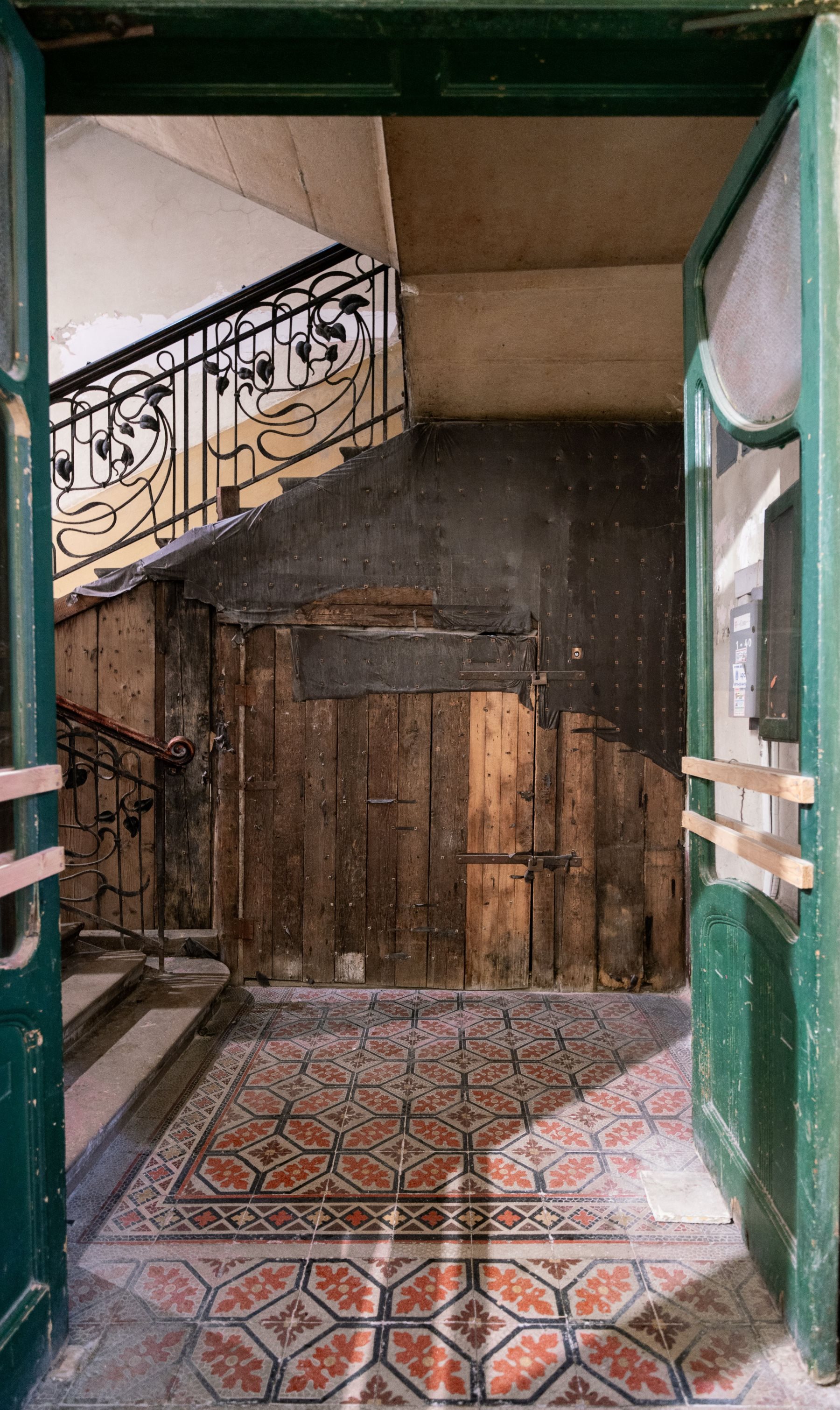
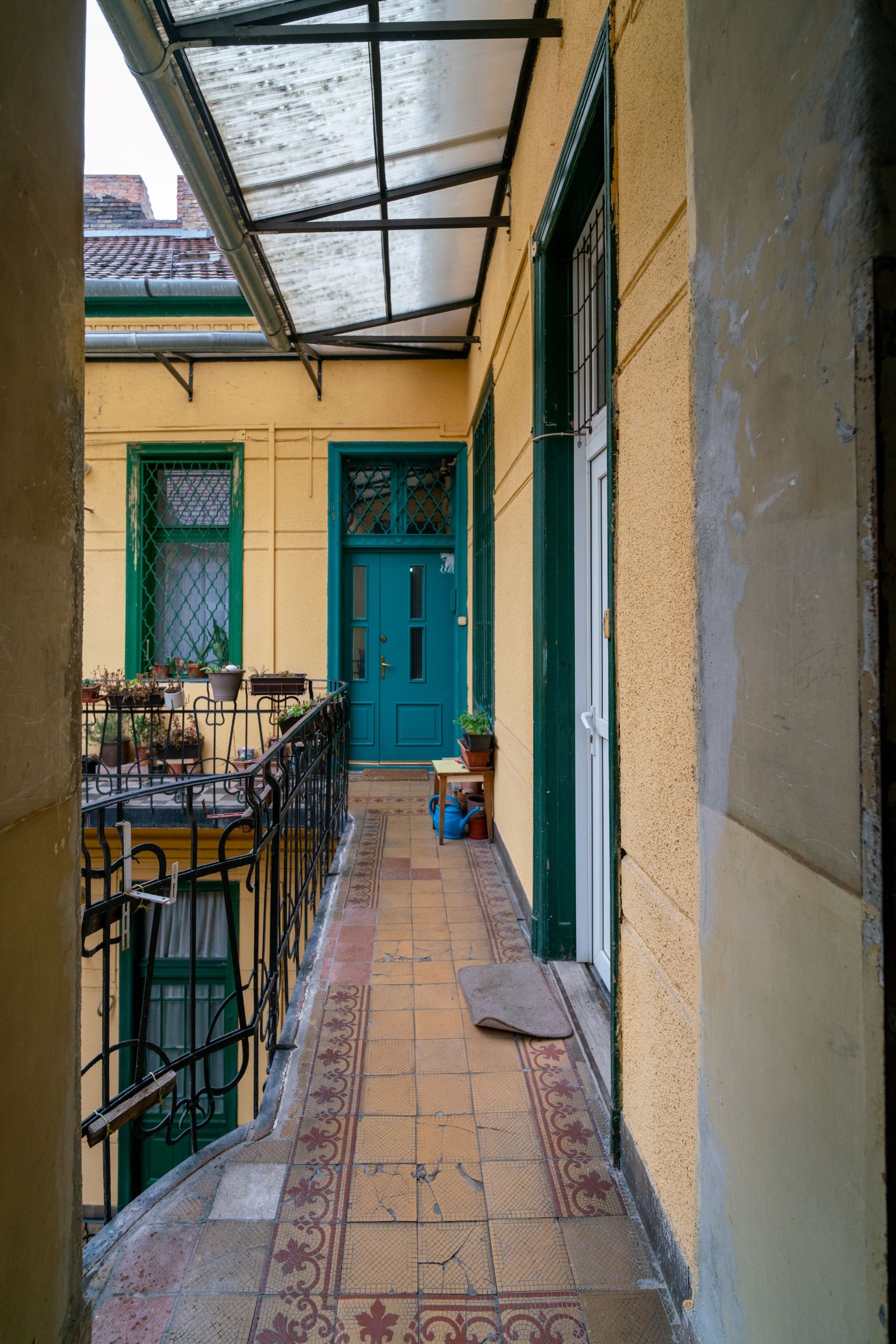
Rózsa utca 29, a large apartment house in Budapest’s 7th district, is a lesser-known work by architect Gyula Fodor, renowned for his Art Nouveau building. Gyula Fodor,designed many amazing buildings in Budapest such as Csokonai utca 8, Hajós utca 25, Dózsa György út 64, or Baross utca 11, Falk Miksa 13. According to what I have found, the building’s construction permit was granted to Ms. Károlyné Fiedler in 1910.
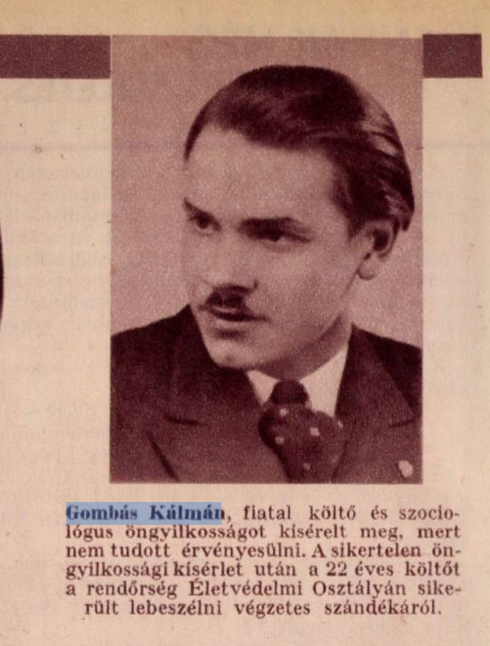
In August 1935, attention was drawn to the building when one of its inhabitants, a young man named Kálmán Gombás, claiming to be a poet, was found wandering in Viziváros Cemetery . He expressed a desire to end his life due to feeling unappreciated despite his artistic talent. Police found his manuscripts and a letter detailing his suicidal intentions. Despite efforts to seek recognition for his work, he was placed under custody for his safety.
After Gombás’s suicide attempt, his poems were published in newspapers but soon faded from public attention. Research revealed others named Kálmán Gombás, but the one matching the poet’s birth date lived until 1988, suggesting he moved away from suicidal thoughts.
In 1944, Rózsa utca 29 became a yellow-star house, serving as a compulsory residence for Jews in Budapest who were subsequently either sent to the ghetto or to designated “protected houses.”


 Buildings Tell Tales
Leave a comment