
If you visit Castle Hill (Várhegy) in Buda, you’ll notice construction cranes busy rebuilding structures damaged during the war. The area has undergone significant changes. I lived on Úri utca in 2013-14, and some buildings I saw daily were demolished. Bullet-ridden facades were repaired, erasing signs of past conflicts.
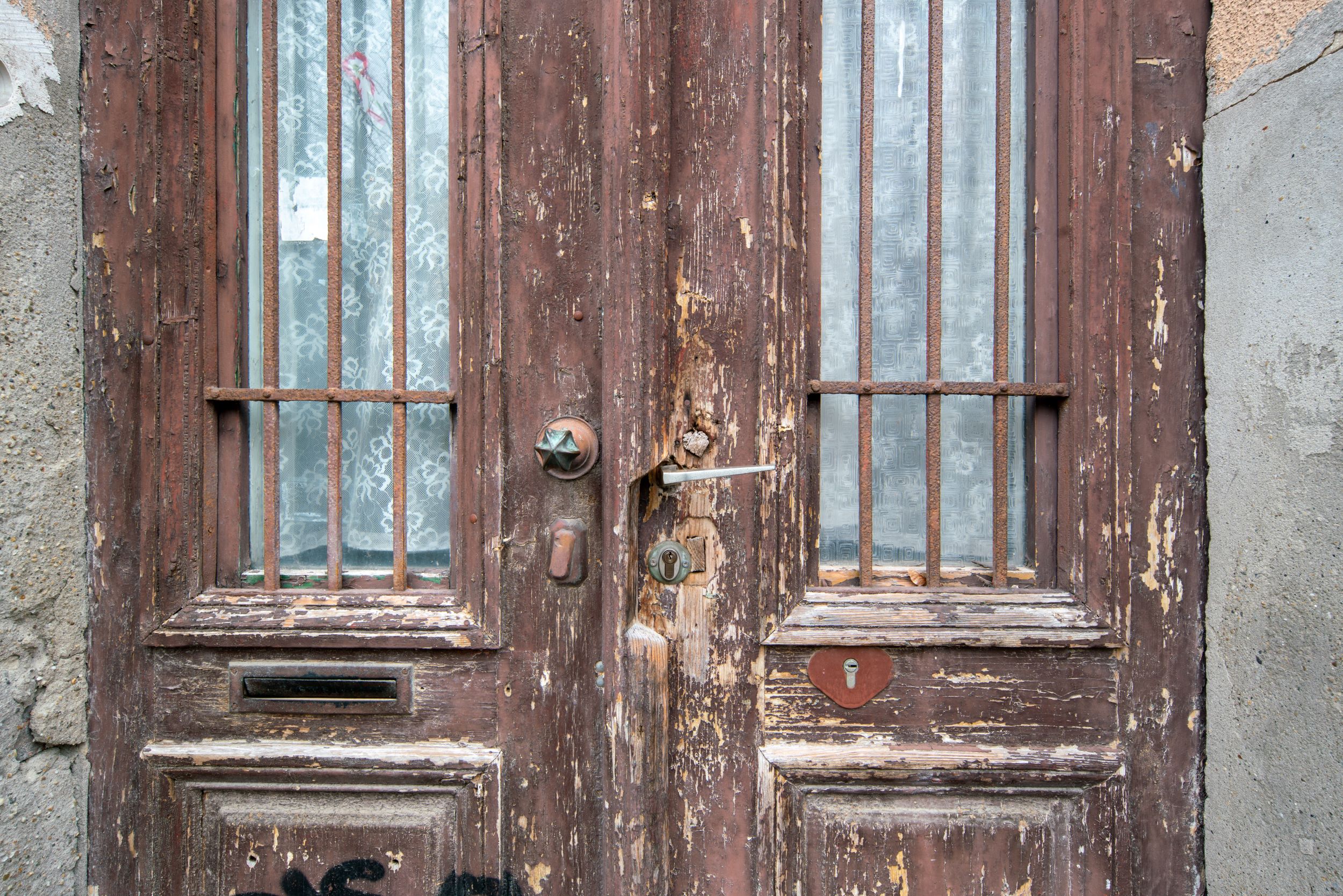
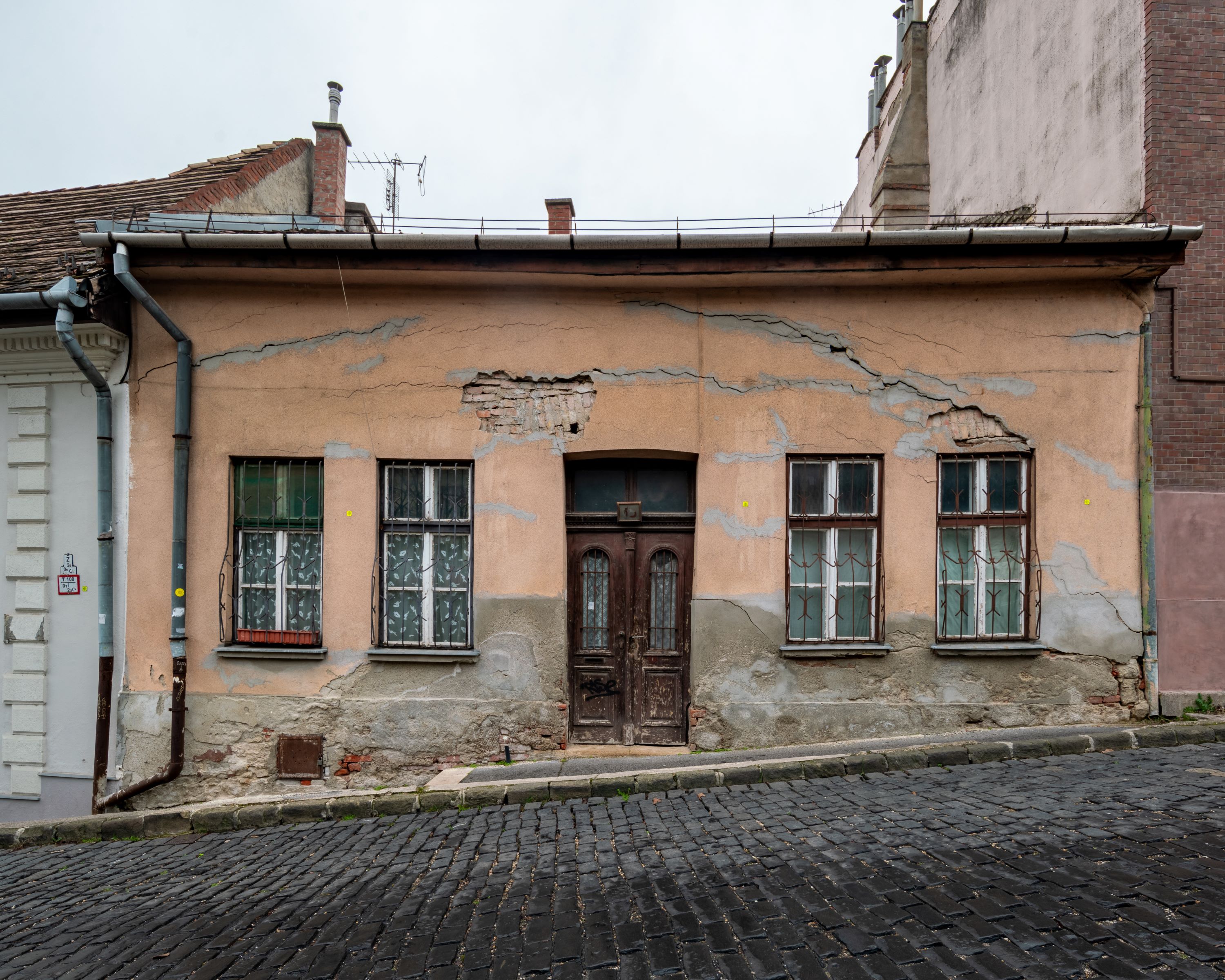
Yet, a few old houses remain untouched. One such survivor, located at Donáti utca 15, witnessed the 1944/45 fights and the subsequent reconstruction of the 1st district. Though its aged facade, marked with cracks resembling wrinkles, may not be visually appealing, it serves as a tangible link to Budapest’s history. Walking by, I fear it might not be there the next time.
This venerable house, constructed in the 19th century, was owned by Erzsébet Schwarzenbrunner in 1891, wife of János Schwarzenbrunner, a veteran of the Hungarian Revolutionary Army 1848/49. Later sold to Károly Kruchina, it holds interesting connections, as Károly Kruchina Jr, the owner’s son, became a secretary of state.
In 1919, the Kruchina family sold the house to Lajos Babos, who rented out rooms separately. Tragically, in 1934, one tenant, Andor Jablonszki, committed suicide with his lover Ilona Burger due to financial constraints.
In 1938, the house changed hands again to Anna Korányi, widow of Elemér Soós, a renowned painter. During the Siege of Budapest in 1944/45, the house suffered damage, and many residents lost their lives. On February 3, 1945, Ferenc Török was killed by shrapnel. Unfortunately, information about the house’s fate in the latter half of the 20th century is unclear. On Street View, it appears abandoned and in poor condition in 2009 but still standing.
There are many abandoned buildings in Budapest. Among them, I have previously shared information and photos about the sanatorium of Benczúr utca and the abandoned Art Nouveau hospital on Bakács tér.



 Buildings Tell Tales
Leave a comment