
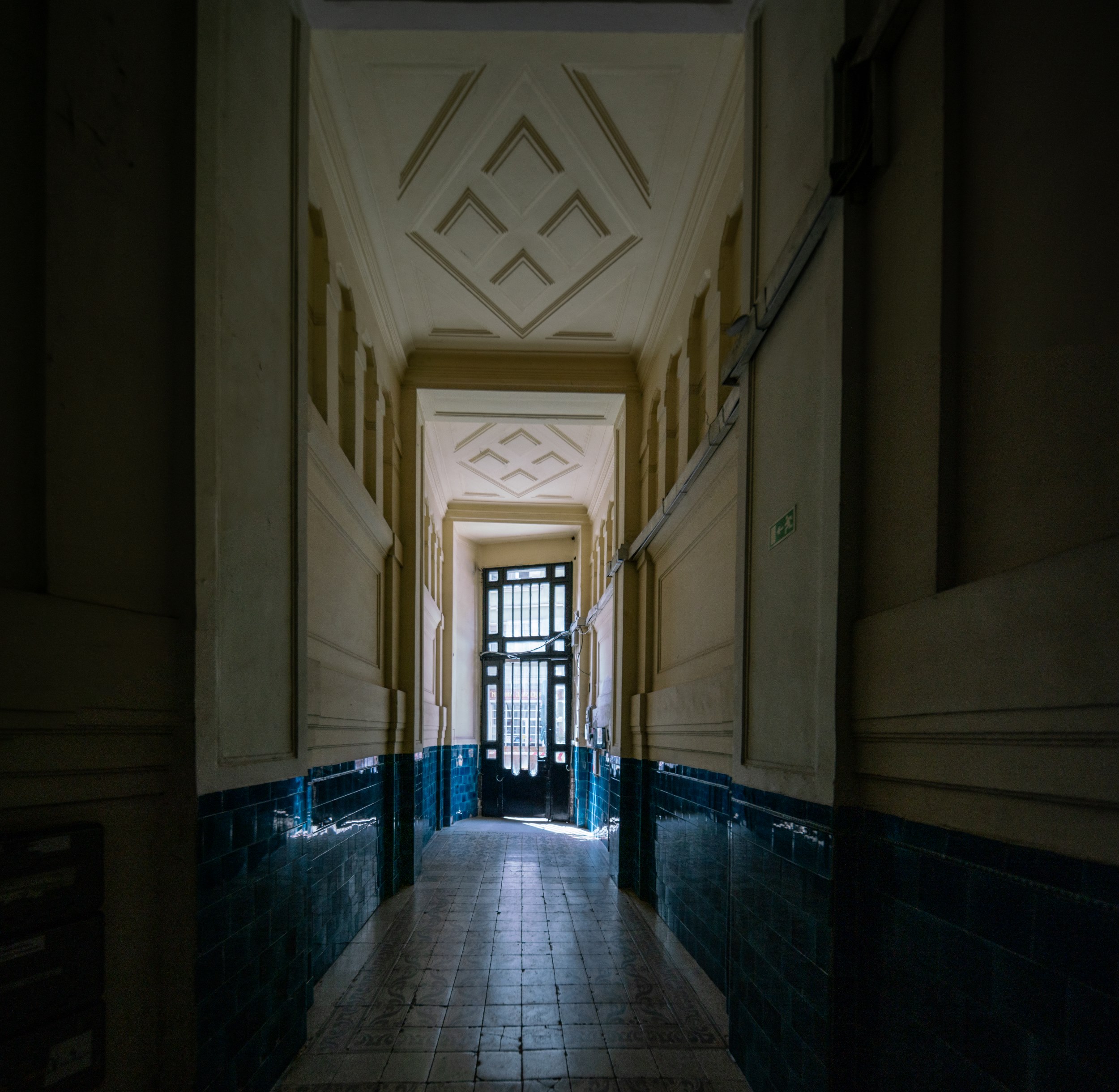
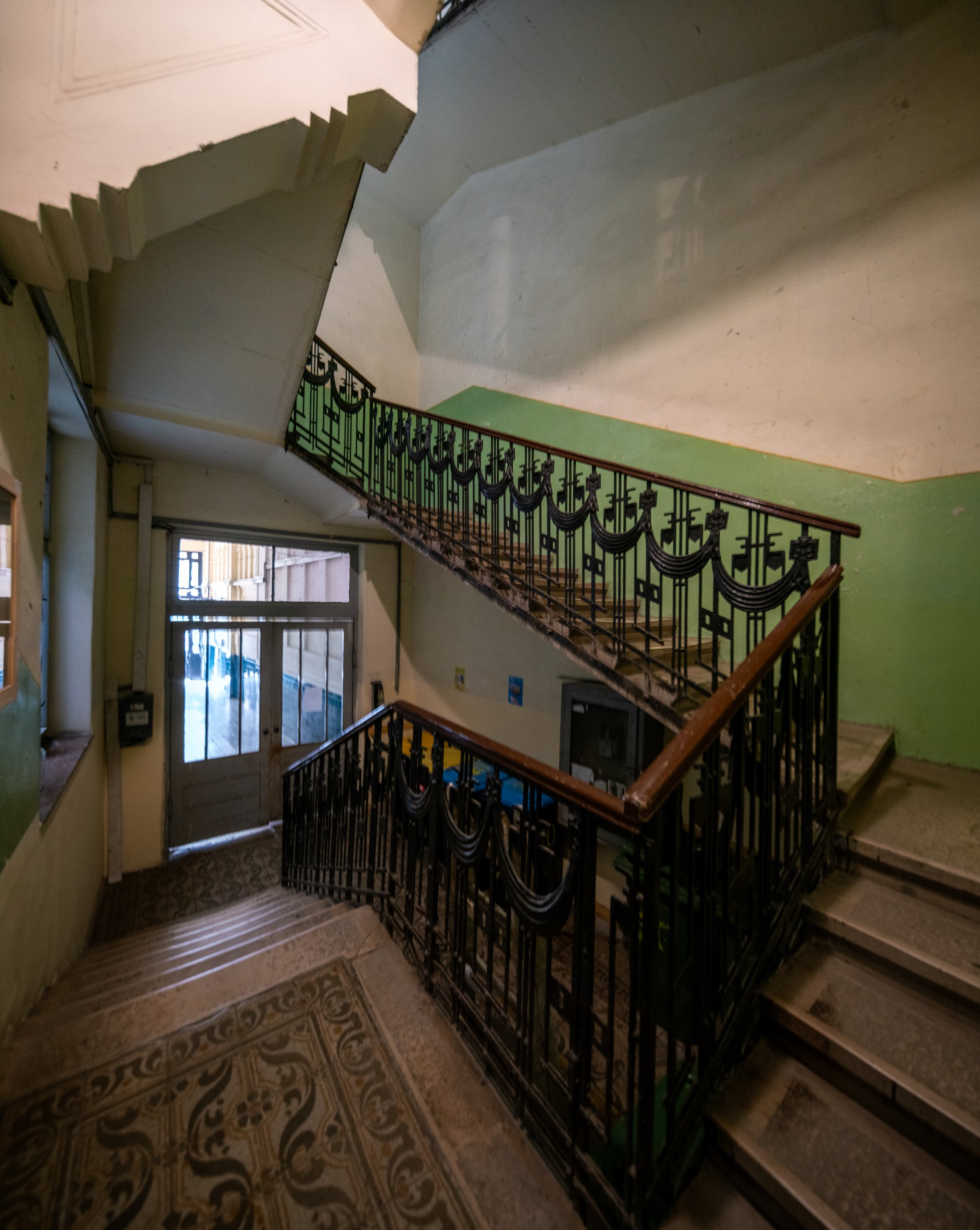
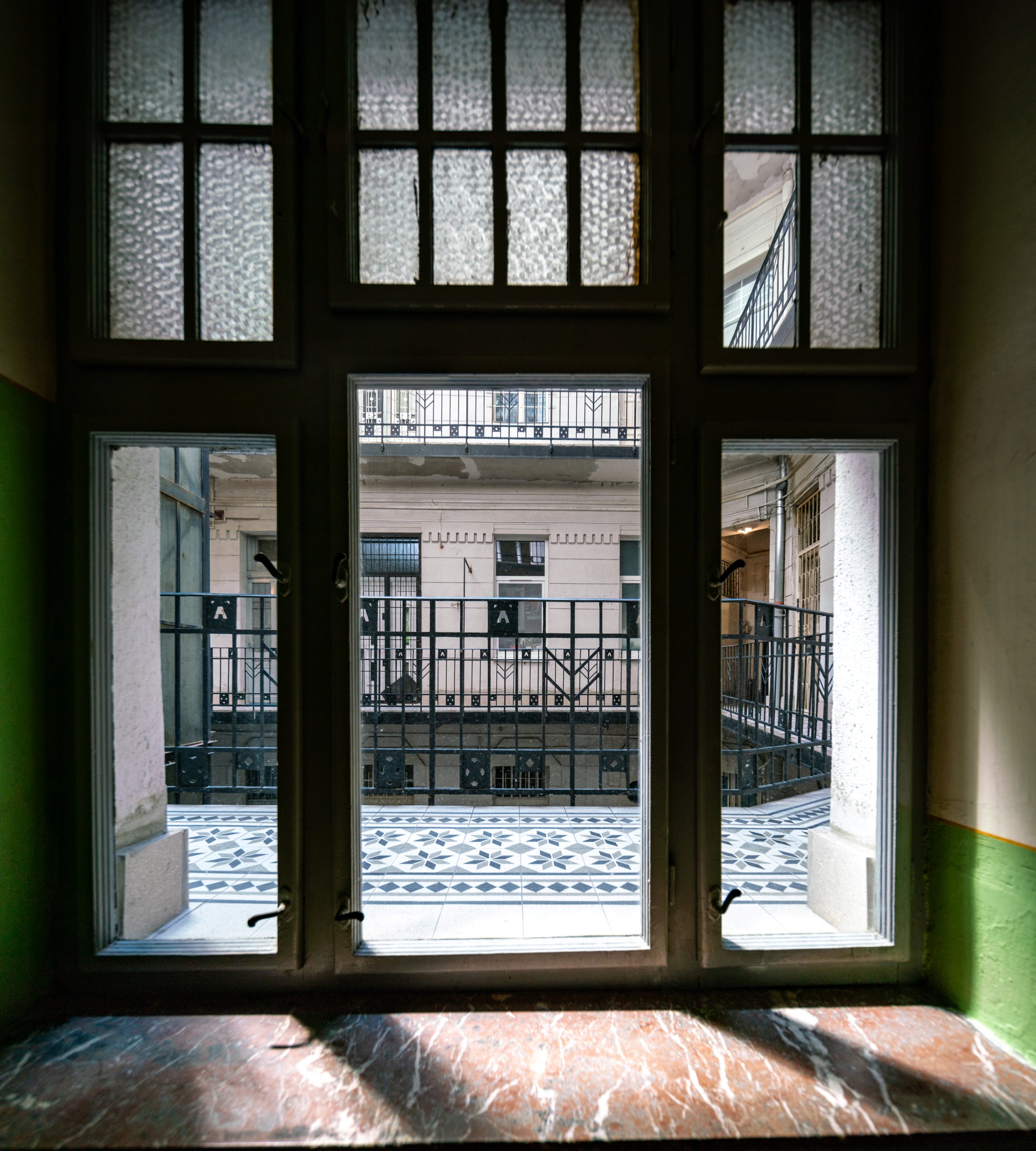
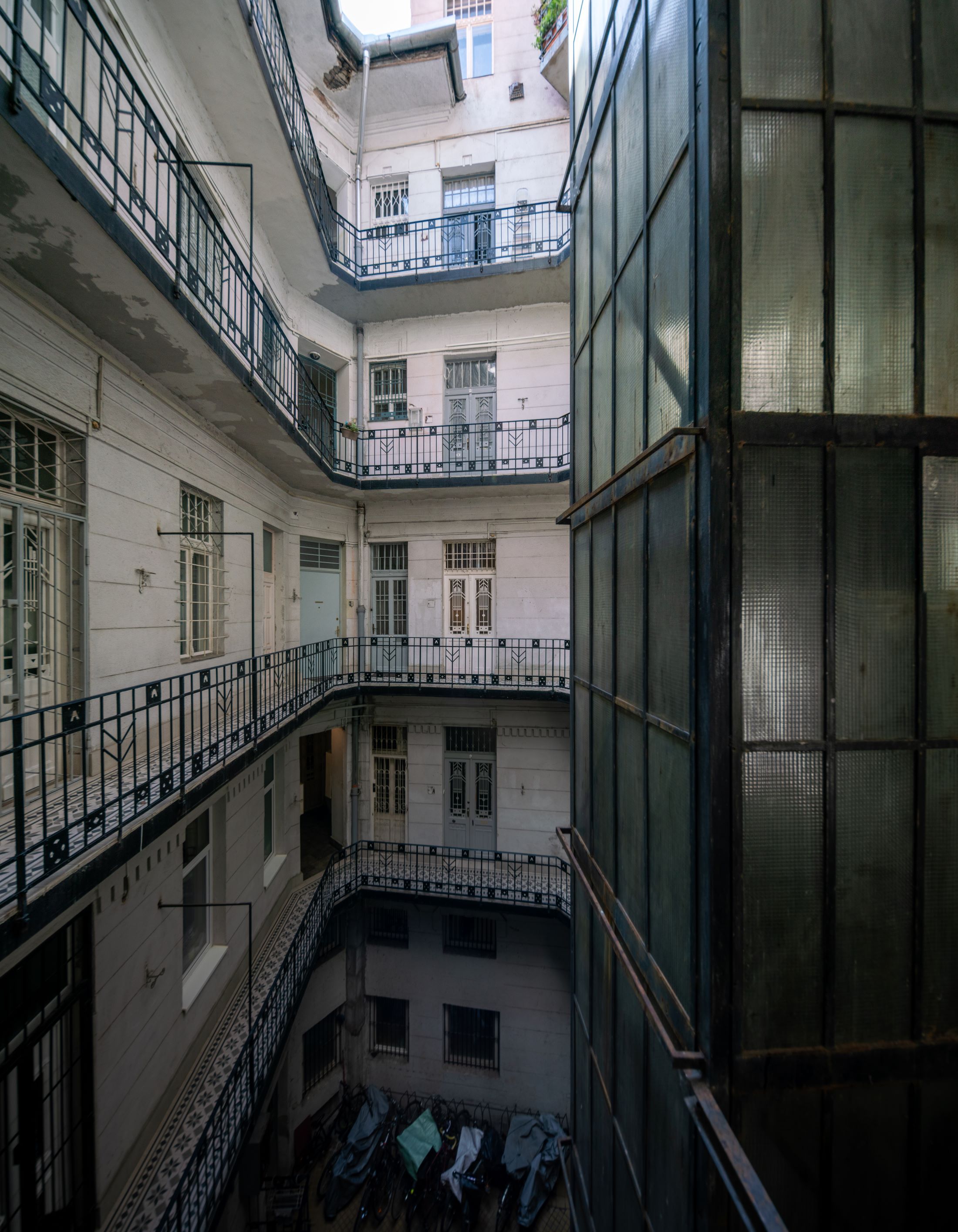
Budafoki út 20 is a building, constructed in the early 1910s. Unfortunately, the architect is unknown. The Lechner Knowledge Center – Lechner Tudásközpont – has conducted intriguing research on the history of this building, and I have written the following based on a text I found on their website:
In the later years of his life, István Petróczy, a pioneering figure in Hungarian military and civilian aviation, resided at Budafoki út 20. He was born in 1874 in Garancspetróc, a town in the Felvidék region (now Slovakia). In 1902, he was assigned to the Military Aerial Navigation Institute, where he first encountered aviation. Initially, he flew with balloons and airships. From 1910 onwards, he assumed command of a newly established airfield in Wiener Neustadt, which served both civilian and military motorized aircraft. Additionally, he founded a military flight school, holding the rank of Major. Among his colleagues was Todor Kármán, who later became a prominent aerospace engineer and one of the founding members of NASA’s Jet Propulsion Laboratory.
During World War I, Petróczy actively participated in numerous pilot missions. In June 1917, he assumed command of the entire aviation force of the monarchy, including oversight of the aviation industry.
Following the dismantling of the monarchy’s air force after World War I, Petróczy was compelled to retire. From that point forward, he dedicated himself to civil aviation matters, and as World War II approached, he focused on civil air defense. In 1948, under the new communist regime, he was stripped of his military rank and pension. Together with his wife, he made ends meet through odd jobs and teaching languages. He passed away in August 1957, and during the socialist era, his memory was forgotten.


 Buildings Tell Tales
Leave a comment