
Why would Béla Bartók, Zoltán Kodály, Mihály Babits, and even Feodor Chaliapin find themselves crossing the threshold on the fifth floor of an apartment building at Damjanich utca 52? The answer lies in the lens of Pál M. Vajda, a famous Hungarian portrait photographer. From 1922 to 1943, Vajda set up his photo studio on the 5th floor of that building. Back in the 1930s, he was the official photographer for the Hungarian State Opera House, capturing all the drama and action from operas, ballets, and plays, as well as portraits of opera singers and musicians.
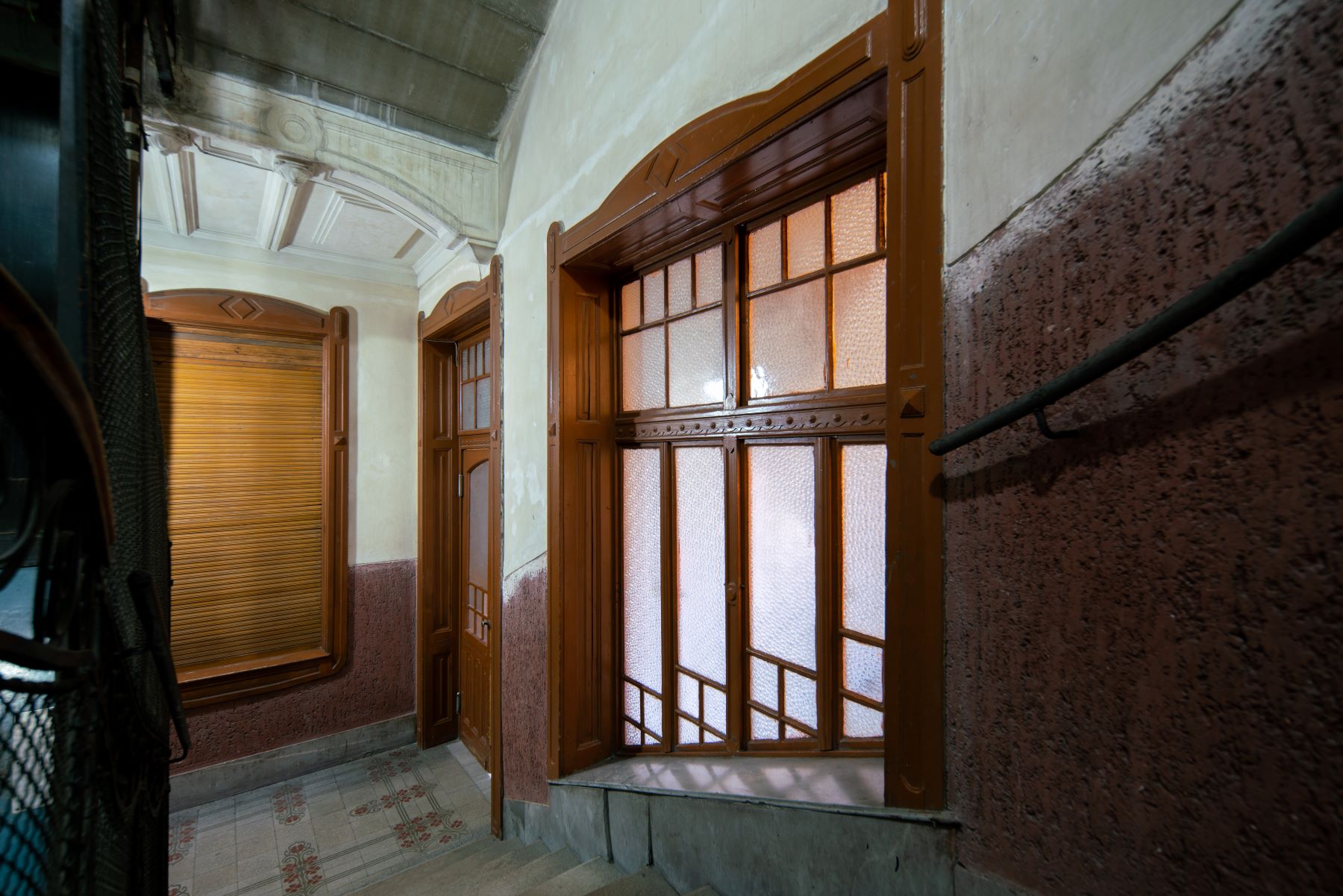
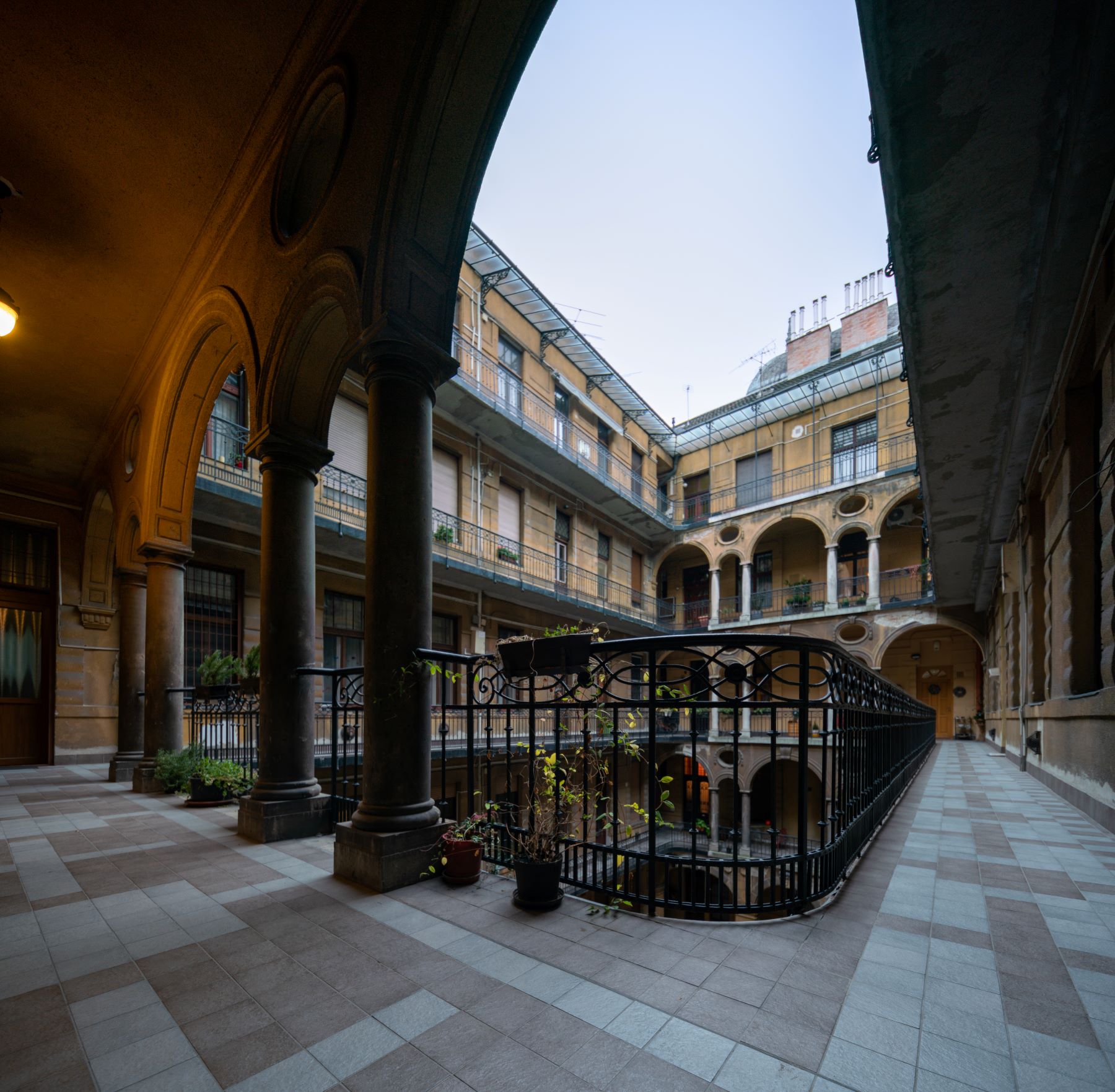
But let’s uncover an even more captivating layer of history that this building conceals! It was finished in 1907 and designed by architects Rezső Nay and Ödön Strausz for a Manó Mai, who was one of the first Hungarian photographers. Manó Mai’s studio at Nagymező utca 20, also designed by Nay and Strausz, played a big part in making Hungarian photography what it is today. Nowadays, that studio is the Hungarian House of Photography, keeping the photo legacy alive.



 Buildings Tell Tales
Leave a comment